A designer must know engineering and construction specifics, ergonomics, and industry standards
Why practice matters more than renders — Interview with Ekaterina Zakirova, designer and head of a design studio
- 8 october 2026
- 138
Ekaterina Zakirova is a designer, head of the DD interior design studio, and a teacher at an international school. For 12 years she has lived construction and design, 7 of which have been with Planoplan.
In her work and teaching, Ekaterina promotes a practical approach with a maximum focus on the construction side. She sincerely believes and hopes that the design field will be replenished with certified specialists — those capable of solving any complex interior task.
We talked with Ekaterina about her path in the profession, her views on the craft, and her plans for the future.

Starting Out
– Ekaterina, tell us your story: how did you come to the interior design profession? How did it all start?
It all started in 2014. I was a young girl and got a unique opportunity — to join the Presidential program for the reconstruction of South Ossetia in Tskhinval after the war. I supervised the construction of complex facilities: a cinema, 47 border houses in remote districts of the republic, the administration building, a drama theater. I saw majestic buildings rise from ruins. That's when I realized that construction and design were my path.
– What early experience do you consider most important for your development? What influenced your professional thinking the most?
Practice — 'living' on site, 'living' the project, absorbing everything that happens there, not looking at the work from an office chair but being in the thick of things. When we took part in the reconstruction of the Mega shopping center in Kazan, I went out at night to the work with the engineers and watched and studied with fascination.
Designer's Tools
– What programs have you used at different stages of your work?
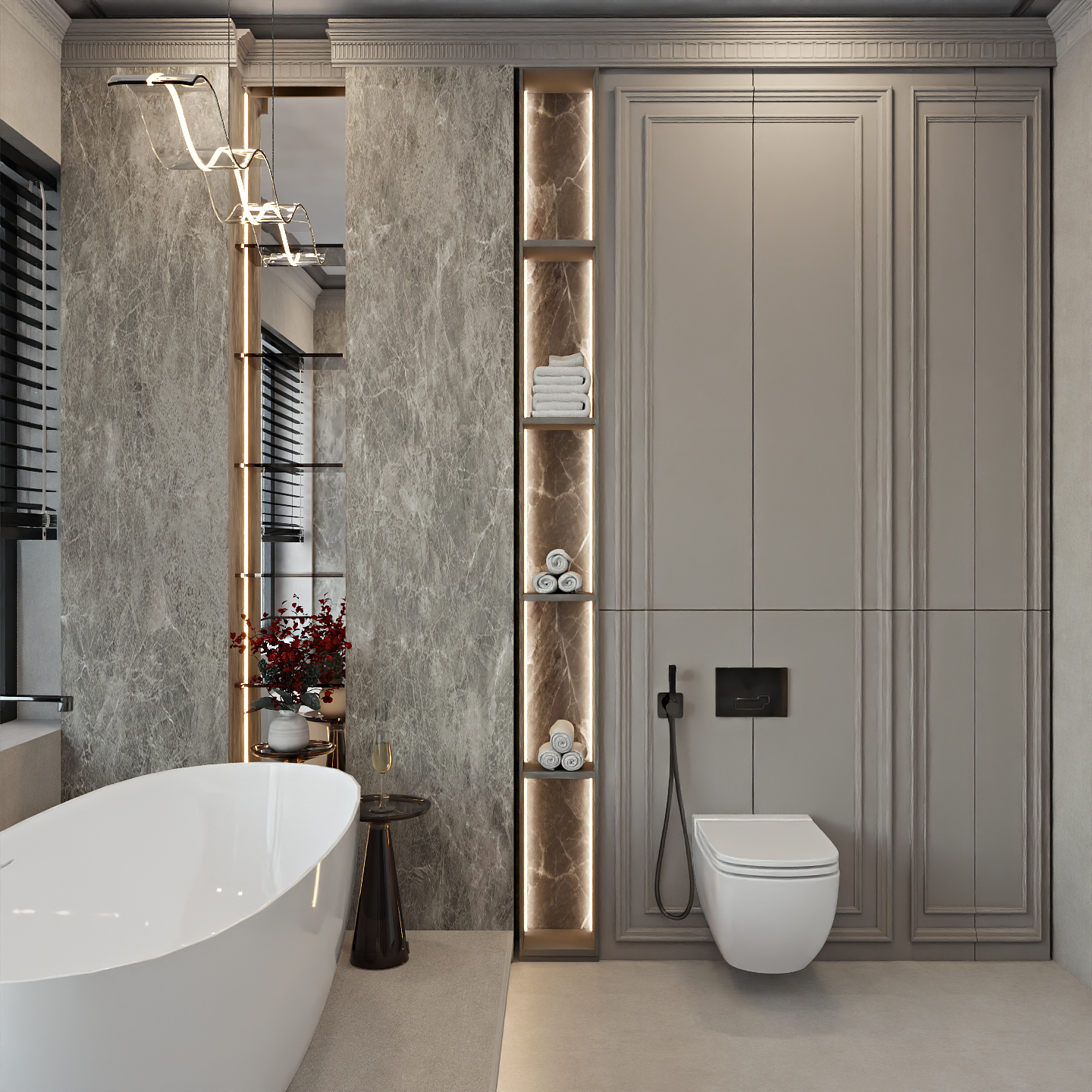
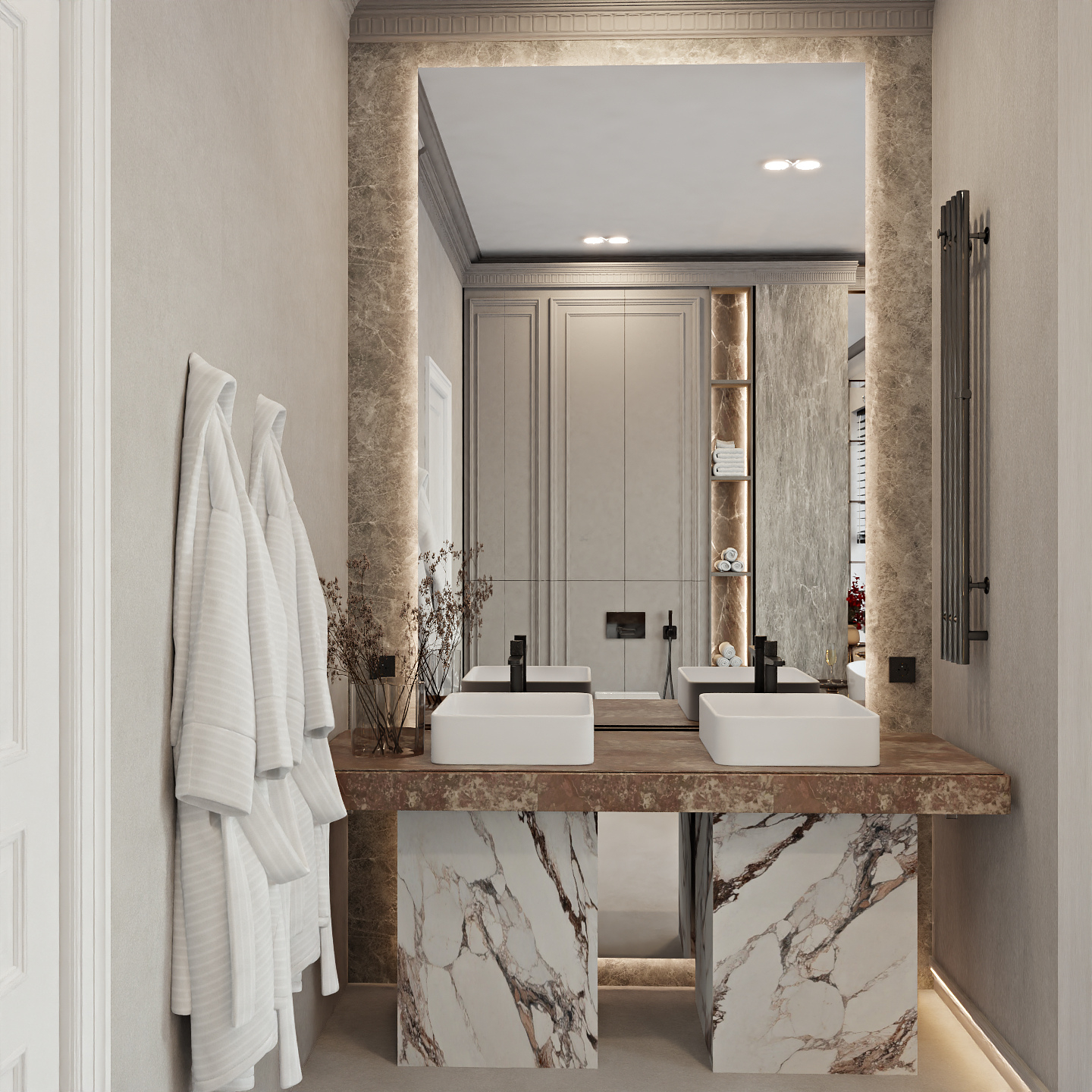
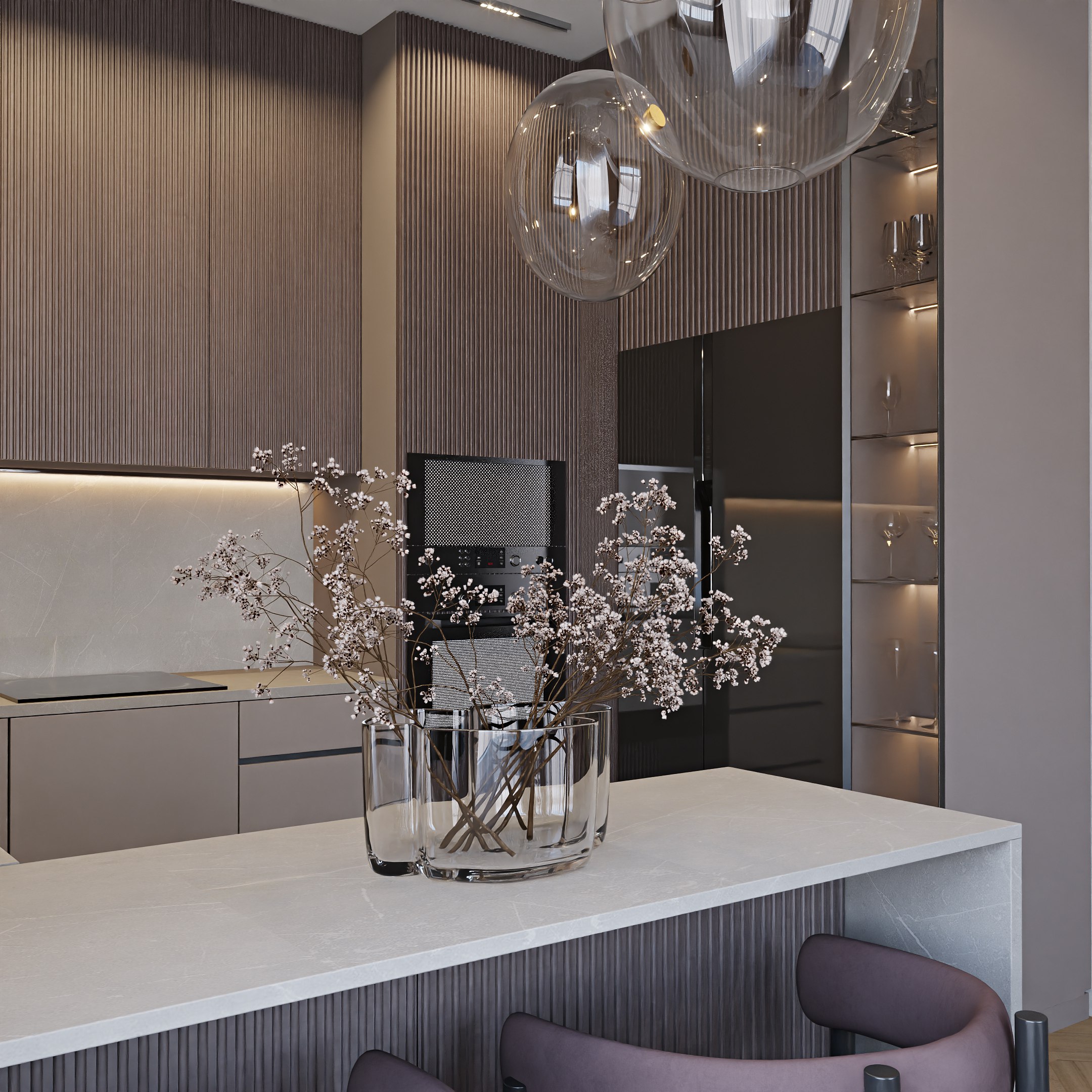
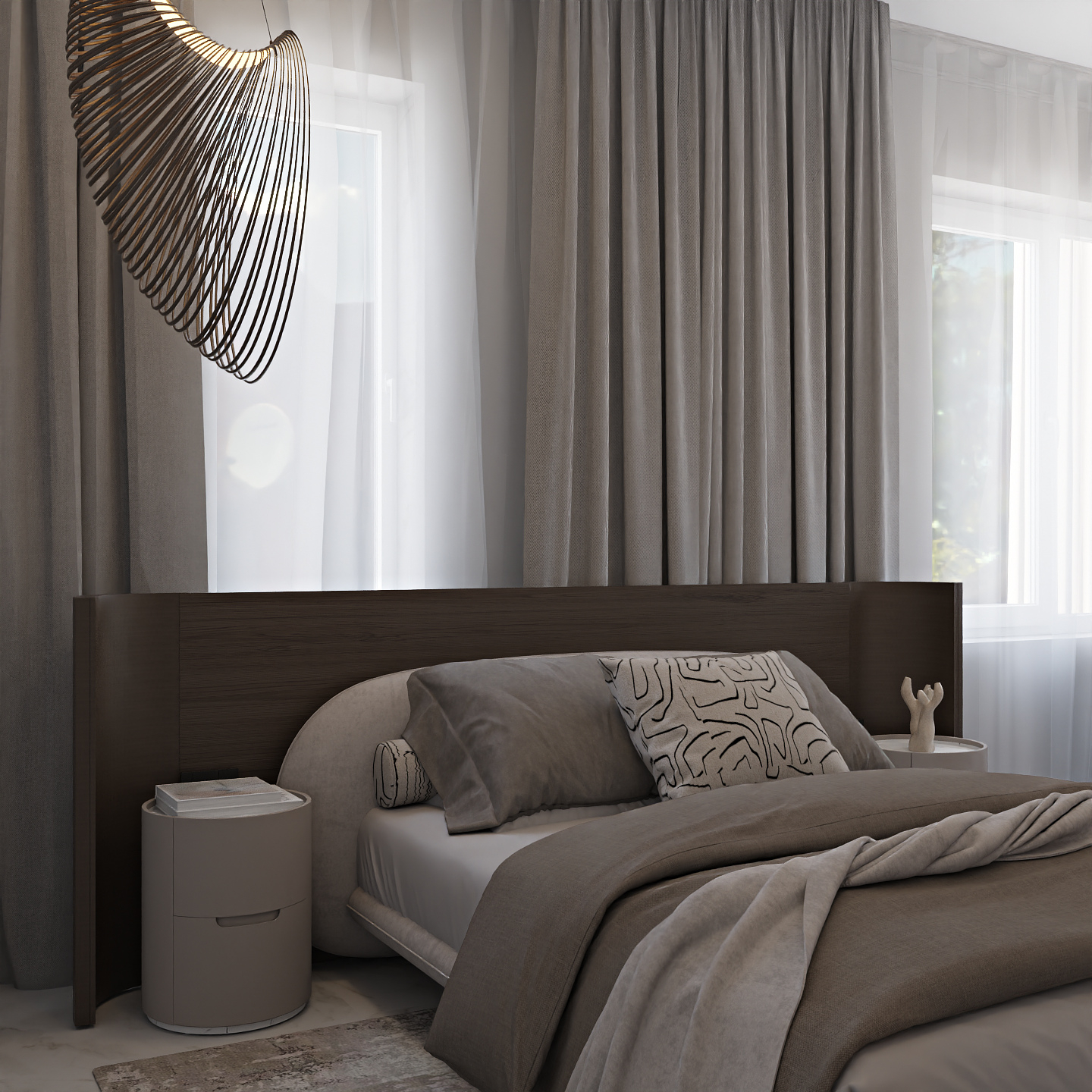
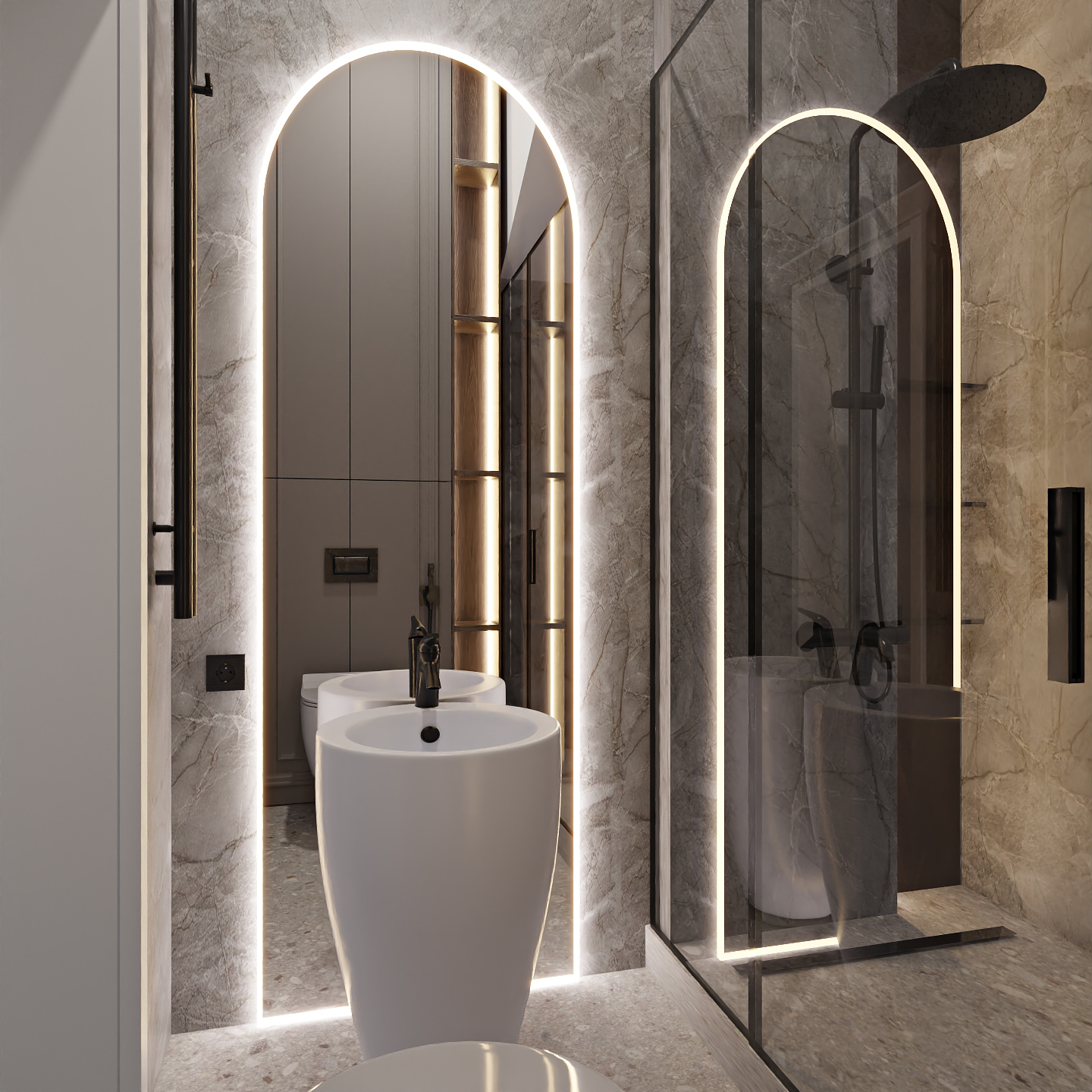
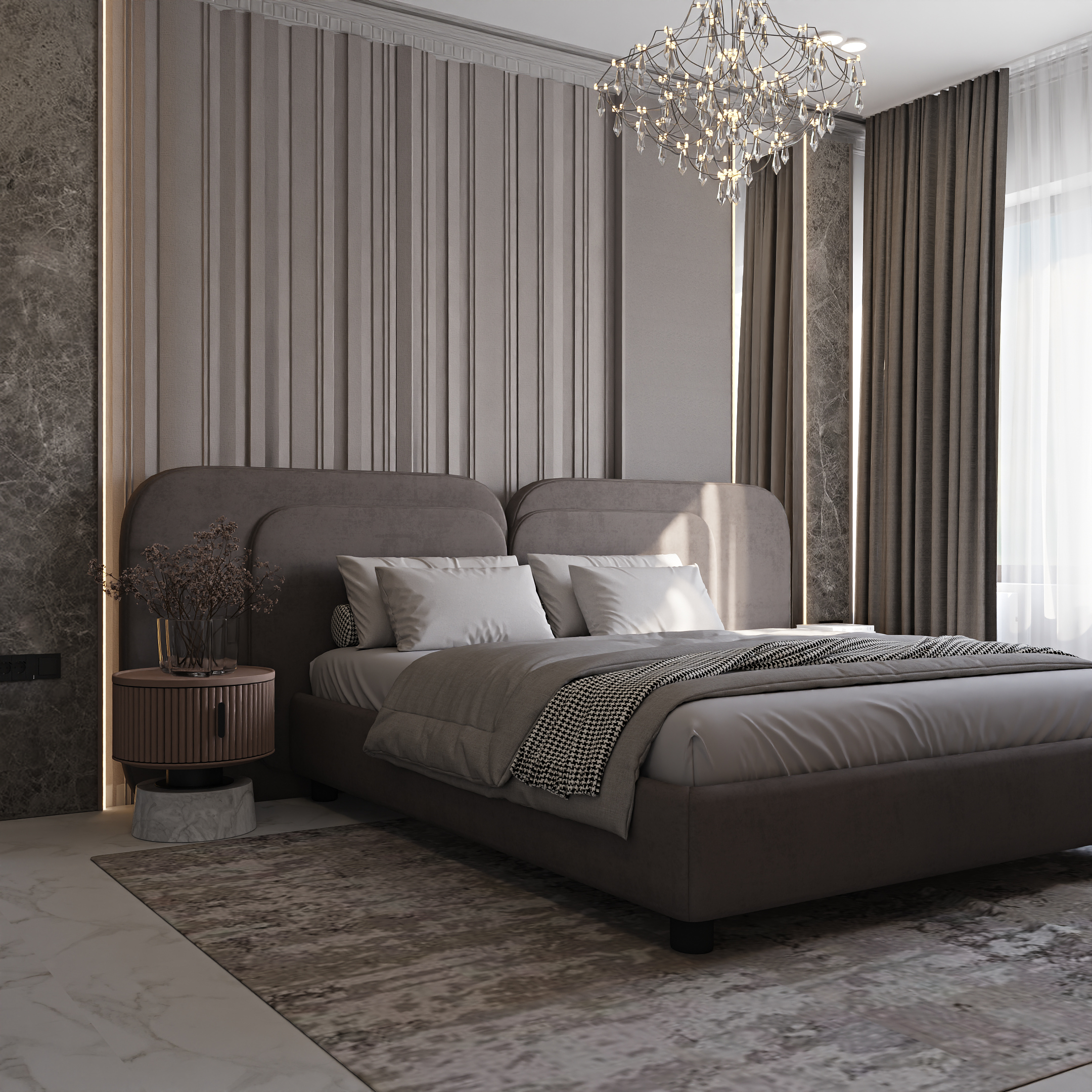
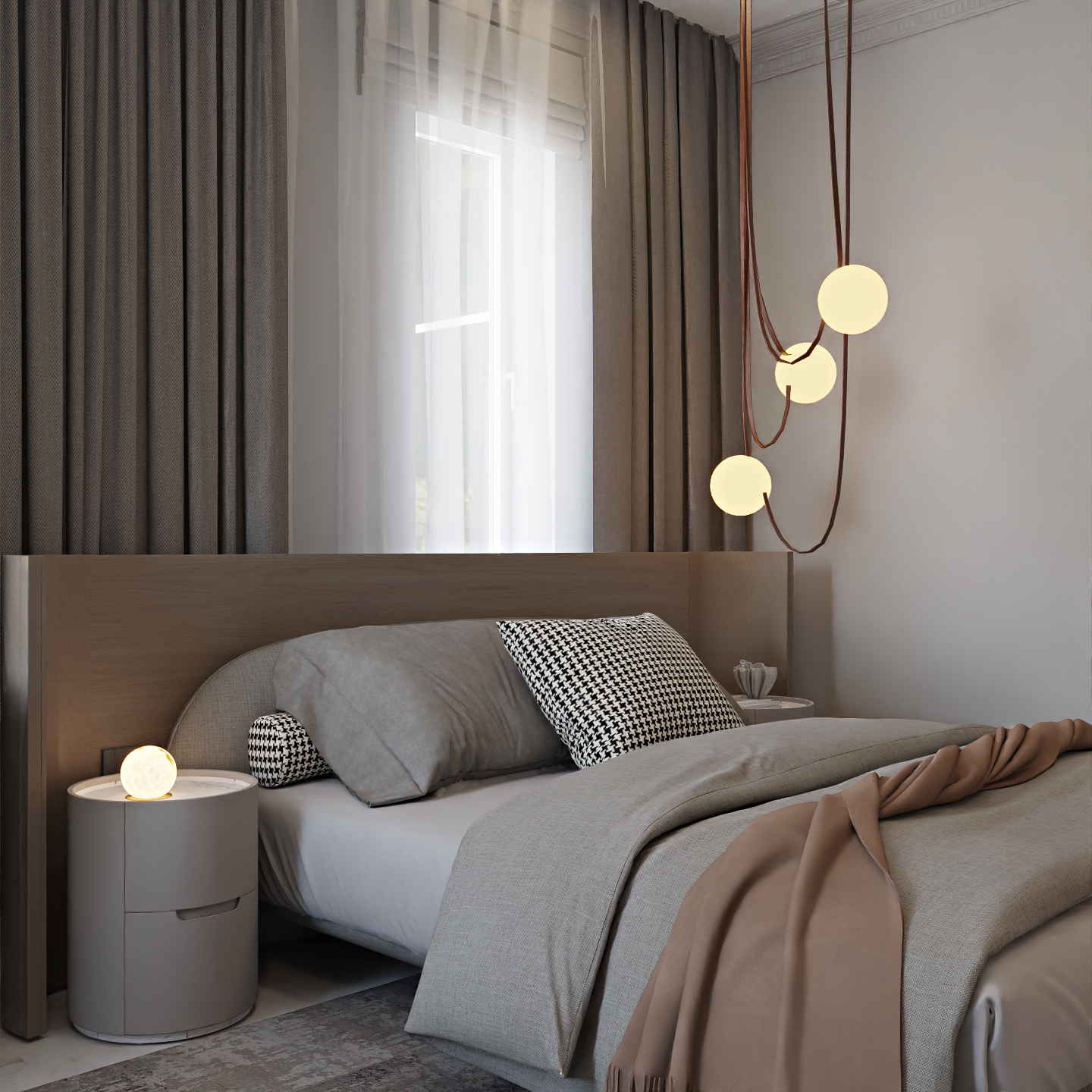
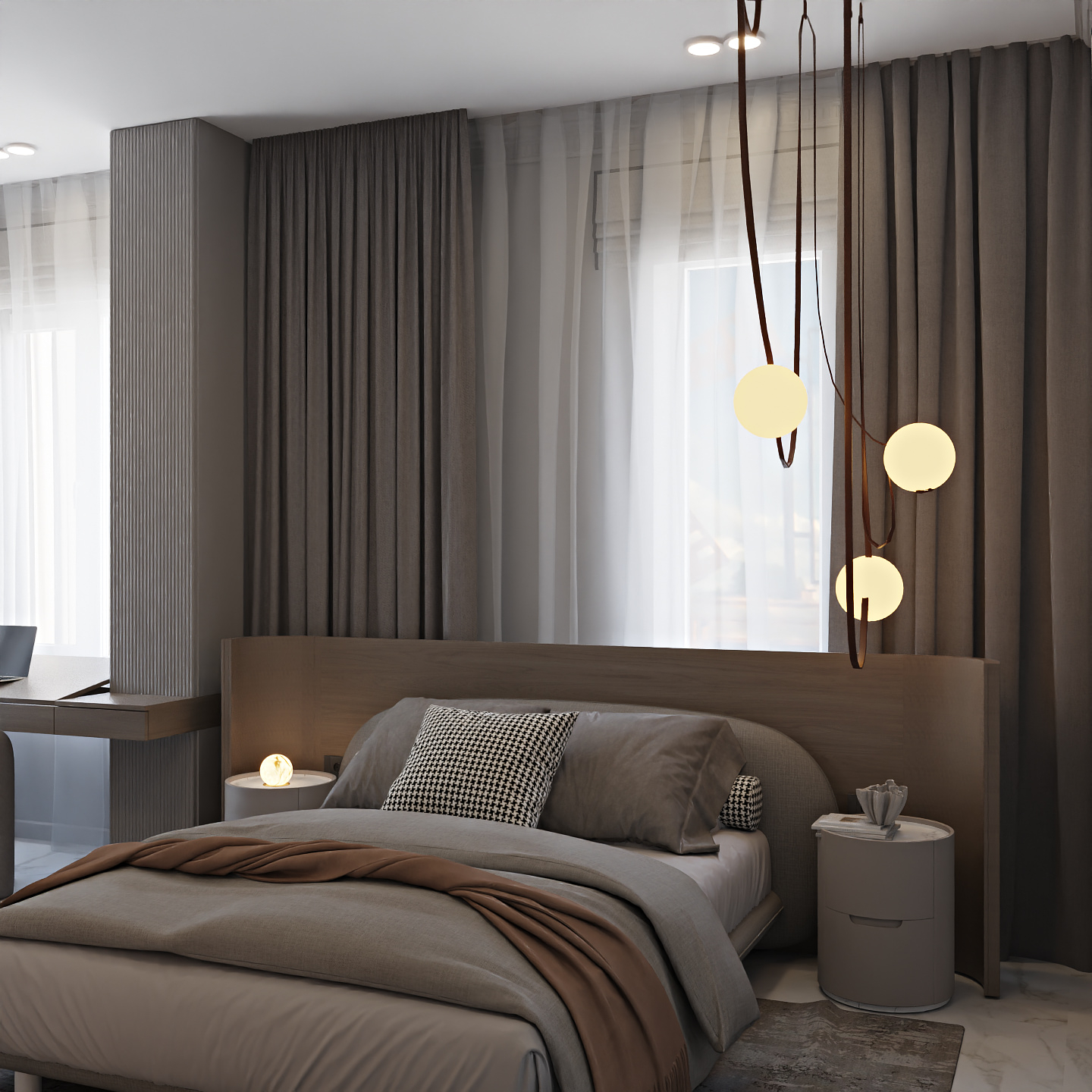
My first project was done by a visualizer in 3ds Max, but in those distant years the image seemed not realistic enough to me — rather, it depended on the executor's experience. Then Planoplan came my way. Now, after some time, I work in both programs.
– How did you learn about Planoplan and what prompted you to try it?
After the experience with a visualizer, I realized that it was important for me to do the drawing myself, taking into account all the details and nuances that are hard to convey to an outside person, but deadlines were also important, which 3ds Max did not allow.
– What is most valuable to you now in your working tools?
Planoplan is improving, growing, not standing still, and that is most valuable. The image is not inferior to other programs. What matters to me is the embodiment of my boldest fantasies, the speed of work in the program, and maximum realism of renders.
Realities of the Profession: Implementation, Mistakes, Design Supervision
– You work a lot not only at the sketch stage but also with project implementation. Which aspects of this part of the work do you consider the most difficult and important?
It so happened that over all this time I have literally a few projects where I did not participate in the implementation. It is important for me to get not just a beautiful 'picture' but also to see the sparkle in the Client's eyes as they watch their home transform at each stage of renovation, to rejoice together with them. Renovation never goes without difficulties; very often the human factor in supplies makes its adjustments, causing a lot of problems. The interaction between the foreman and the designer is also a very important point — the result often depends on it.
– In your opinion, what is the main difference between an interior designer and a visualizer?
A visualizer is an executor; they completely trust the designer and do as they are told. Their competencies in the technical part may be much lower, and that's normal. A designer, however, must understand the specifics of the engineering and general construction components of the project, know ergonomics, and industry standards.
– What mistakes in project implementation do you most often observe — both among colleagues and yourself? What do they teach, what important things do they say?
Clients came to me with a beautiful 'picture' that was impossible to bring to life; most often it was an unaccounted-for engineering part. This is again a story about 'living' the project in practice, encountering its difficulties at least once, to study the 'kitchen' from the inside.
– How do you usually build interaction with foremen and installers on site? What helps avoid misunderstandings?
Foremen are very sensitive personalities, and that's not a joke. They need support, encouragement, and praise. You won't avoid misunderstandings — it's a construction site, and that's normal. It's important to structure the work correctly, discuss stages, participate in solving issues, and not shift responsibility and then be indignant about the result. On the current project, we discussed the work plan and resolved issues on site once a week.
– What does design supervision mean to you? How does it look in your practice, and what moments do you consider key in it?
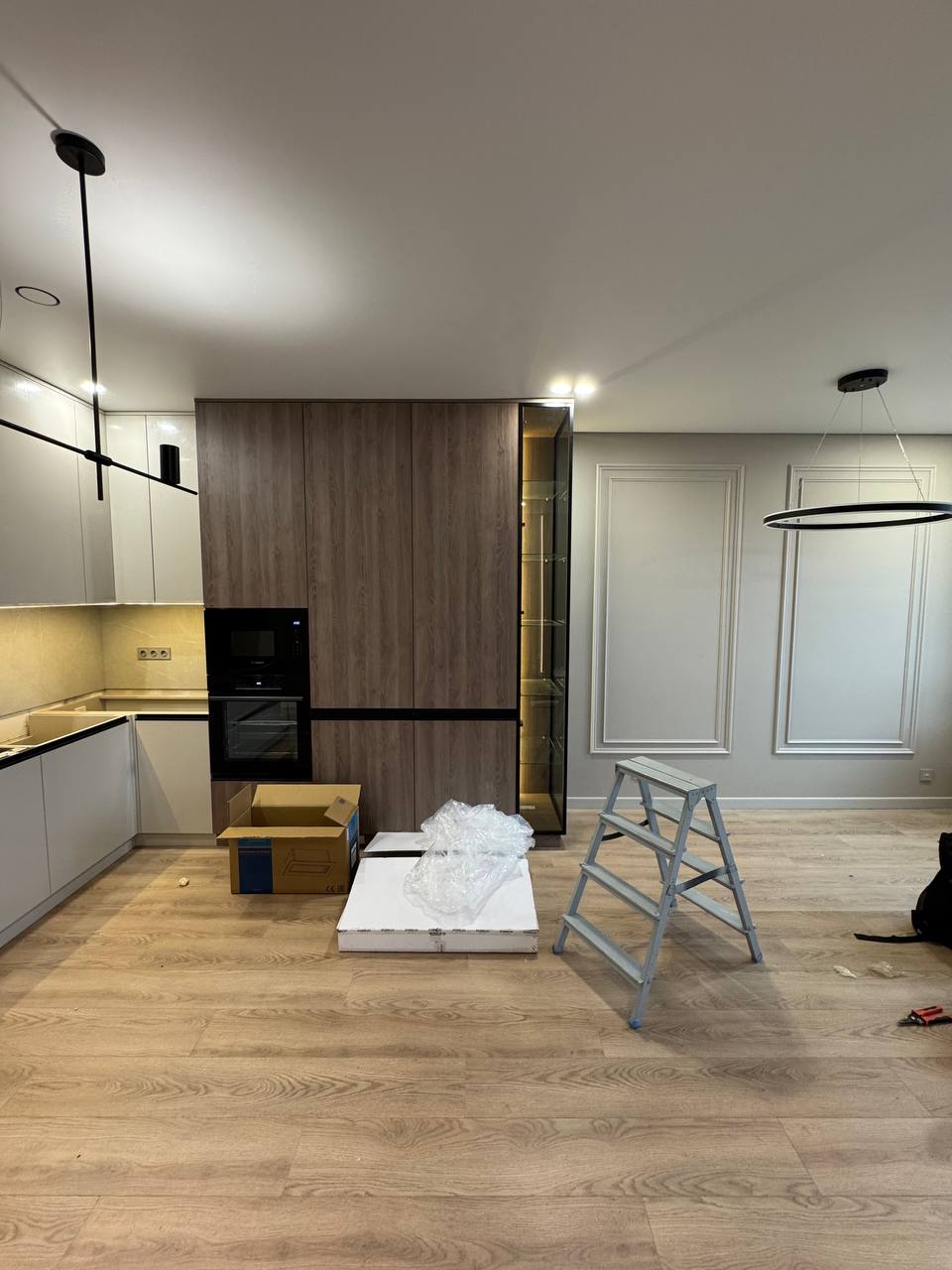
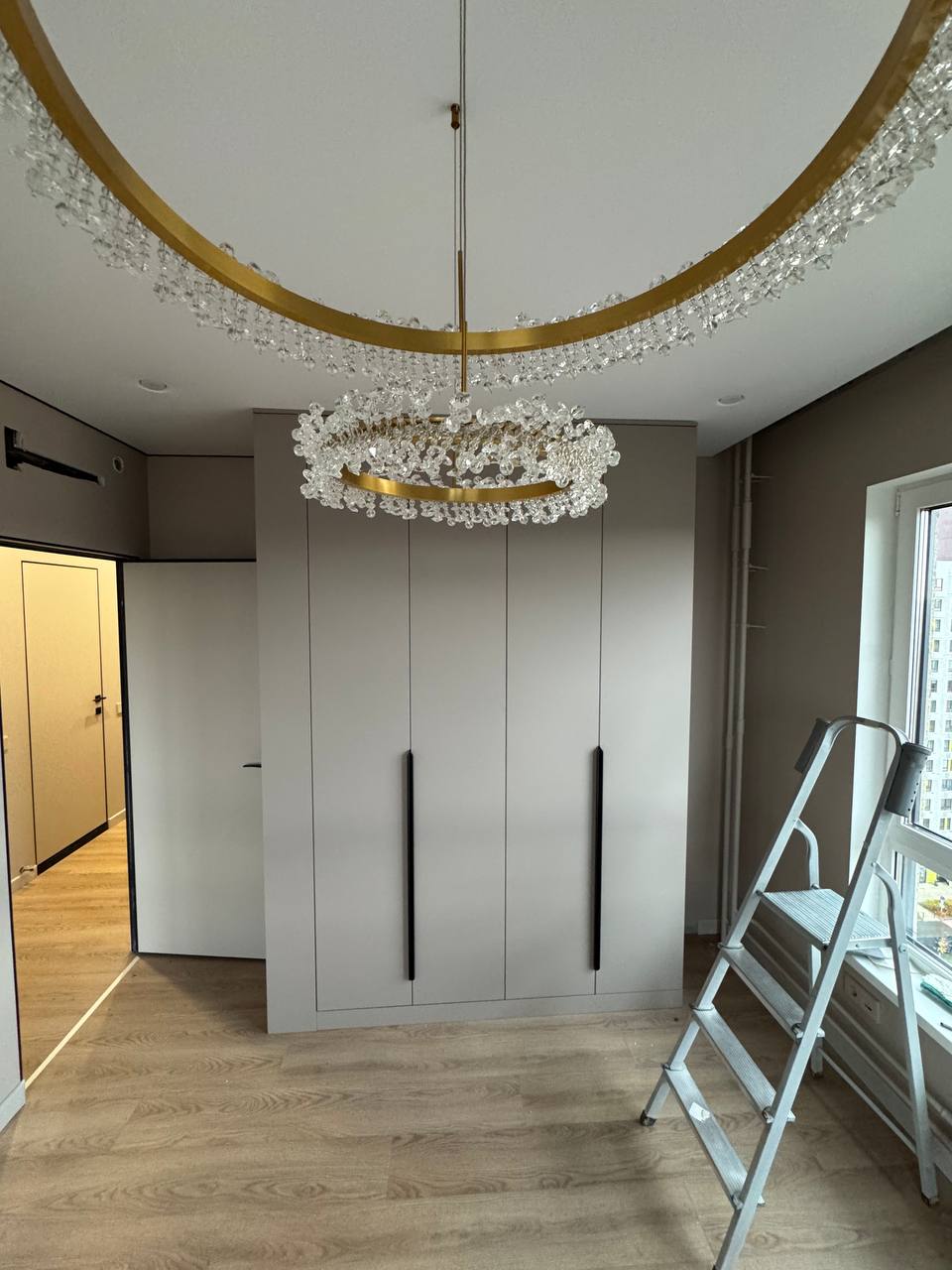
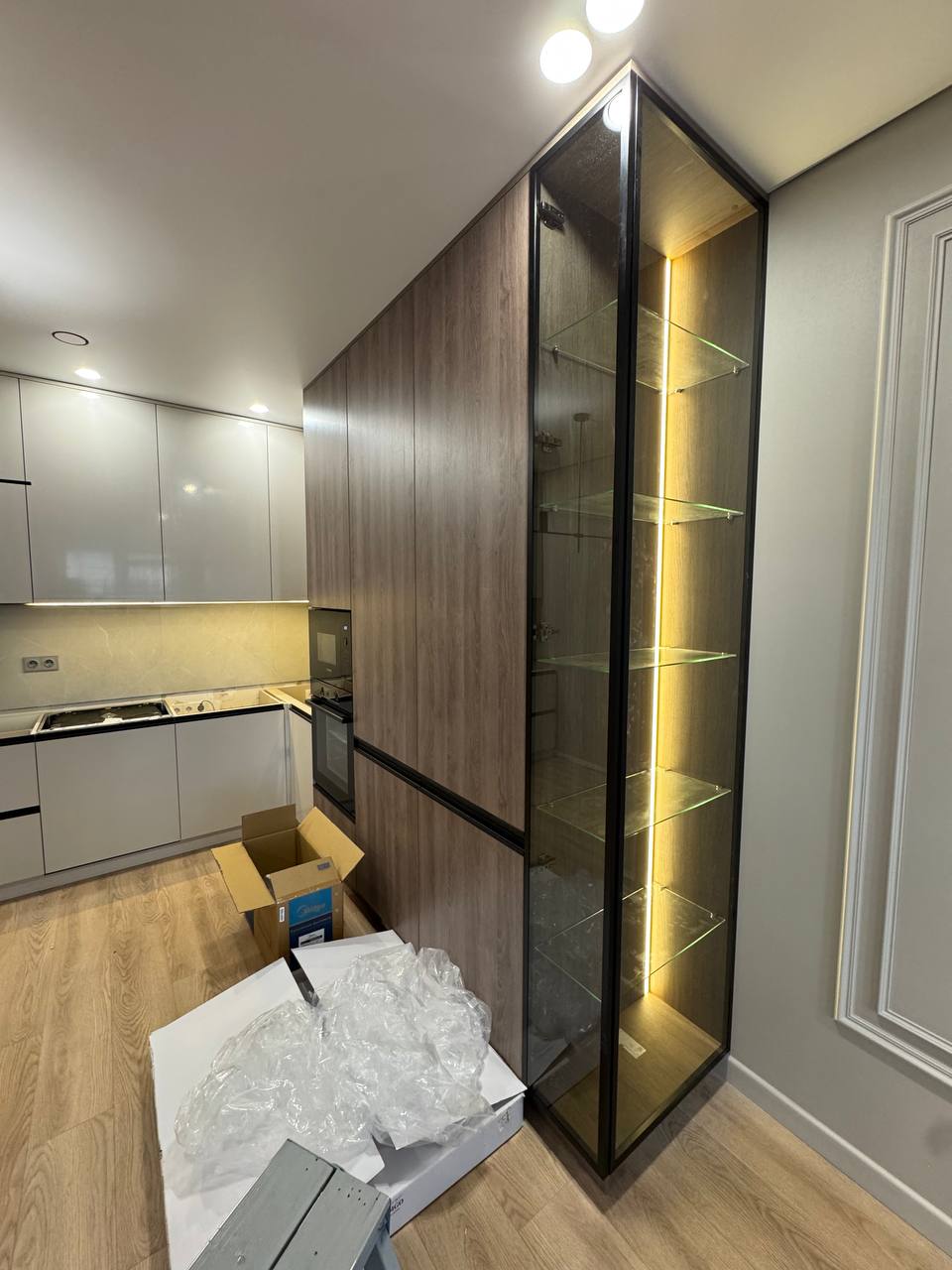
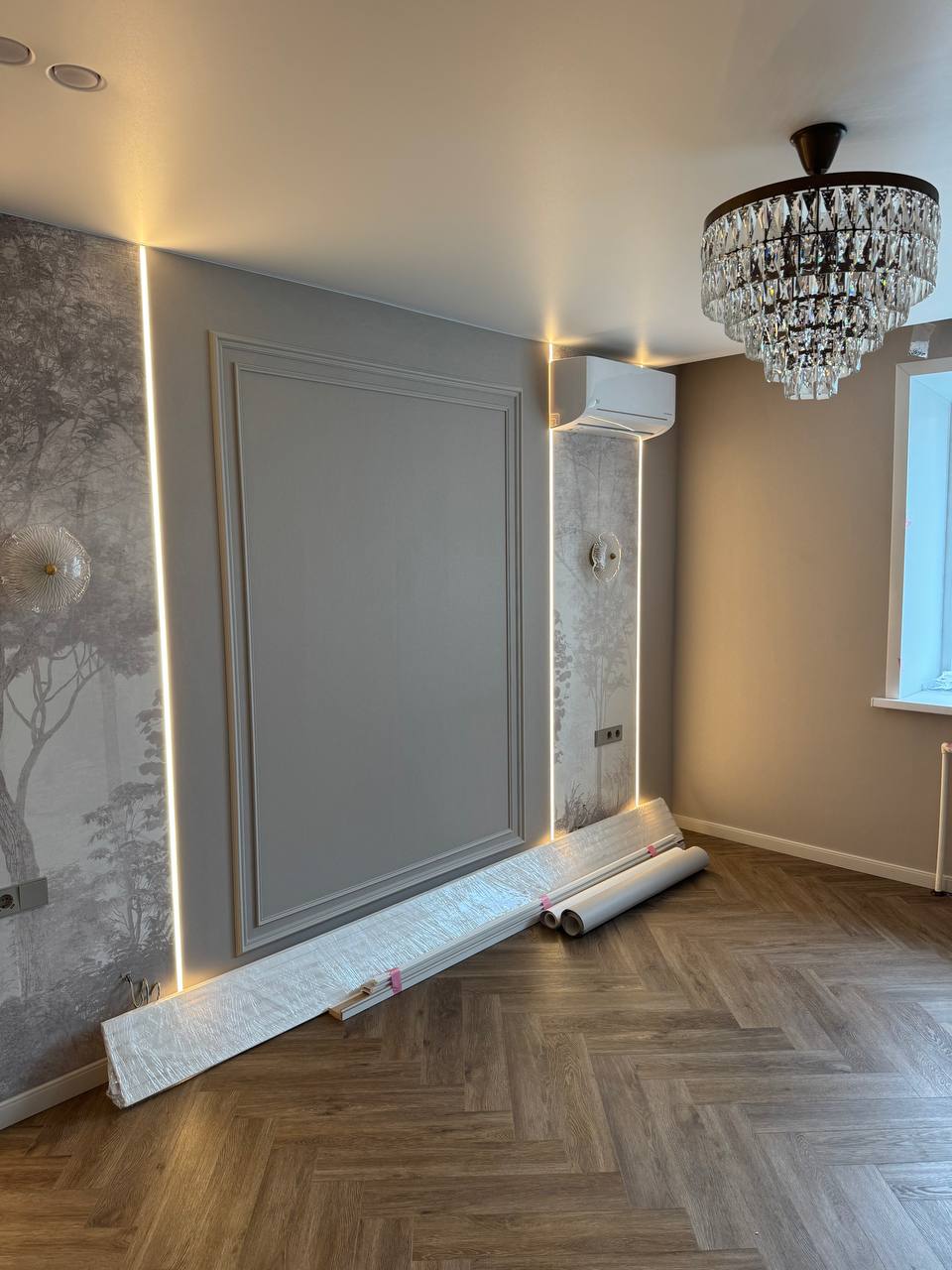
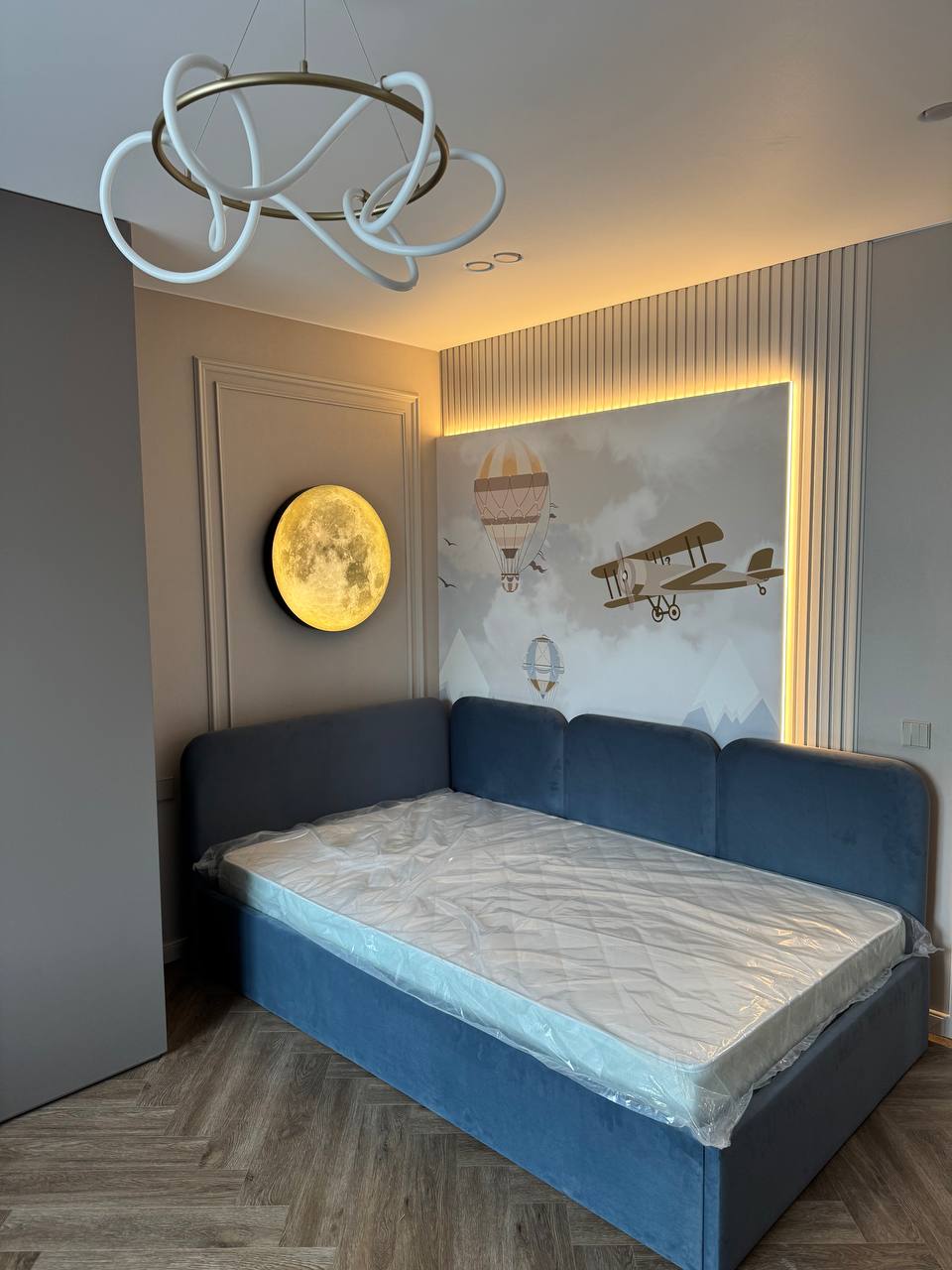
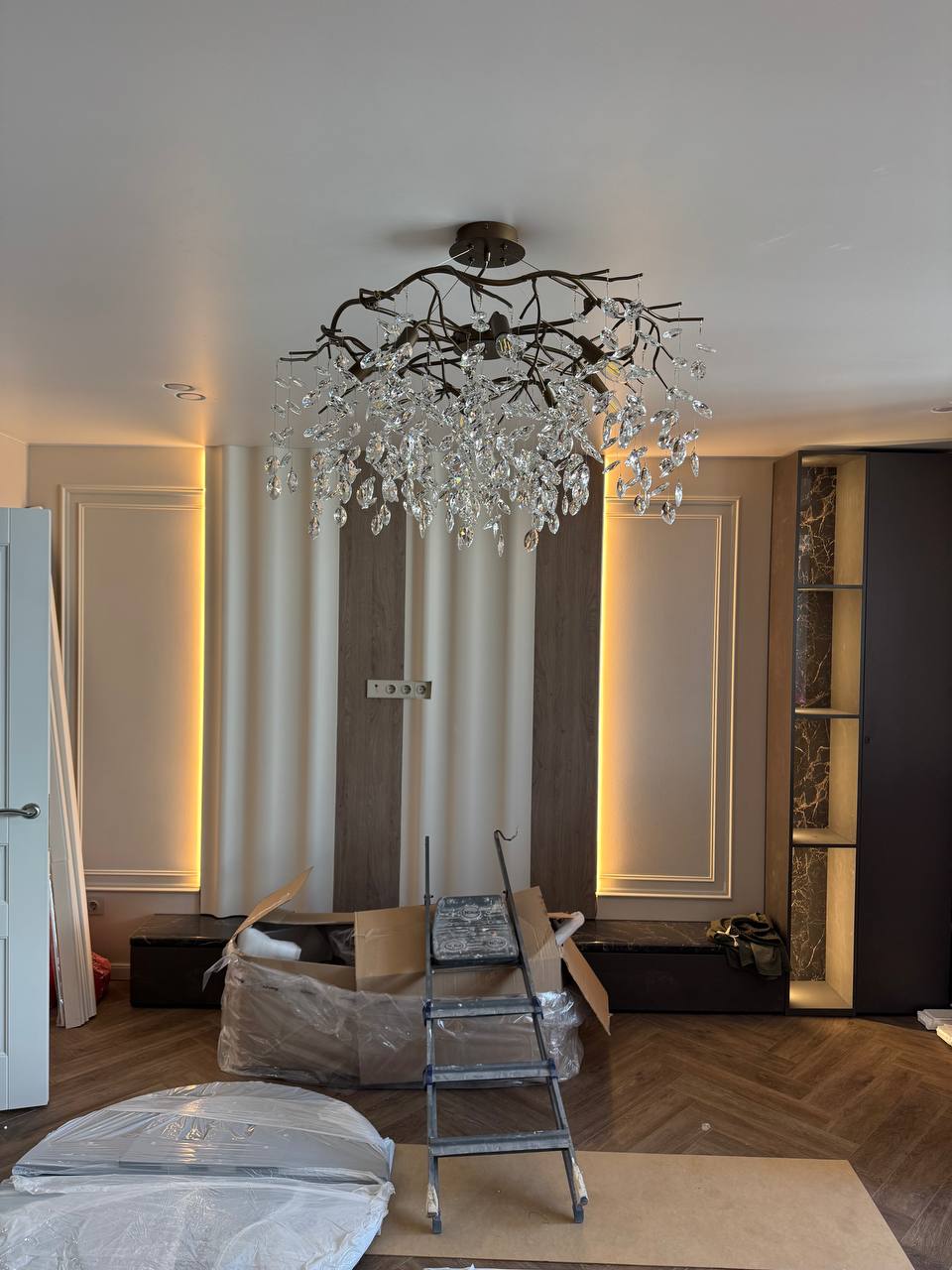
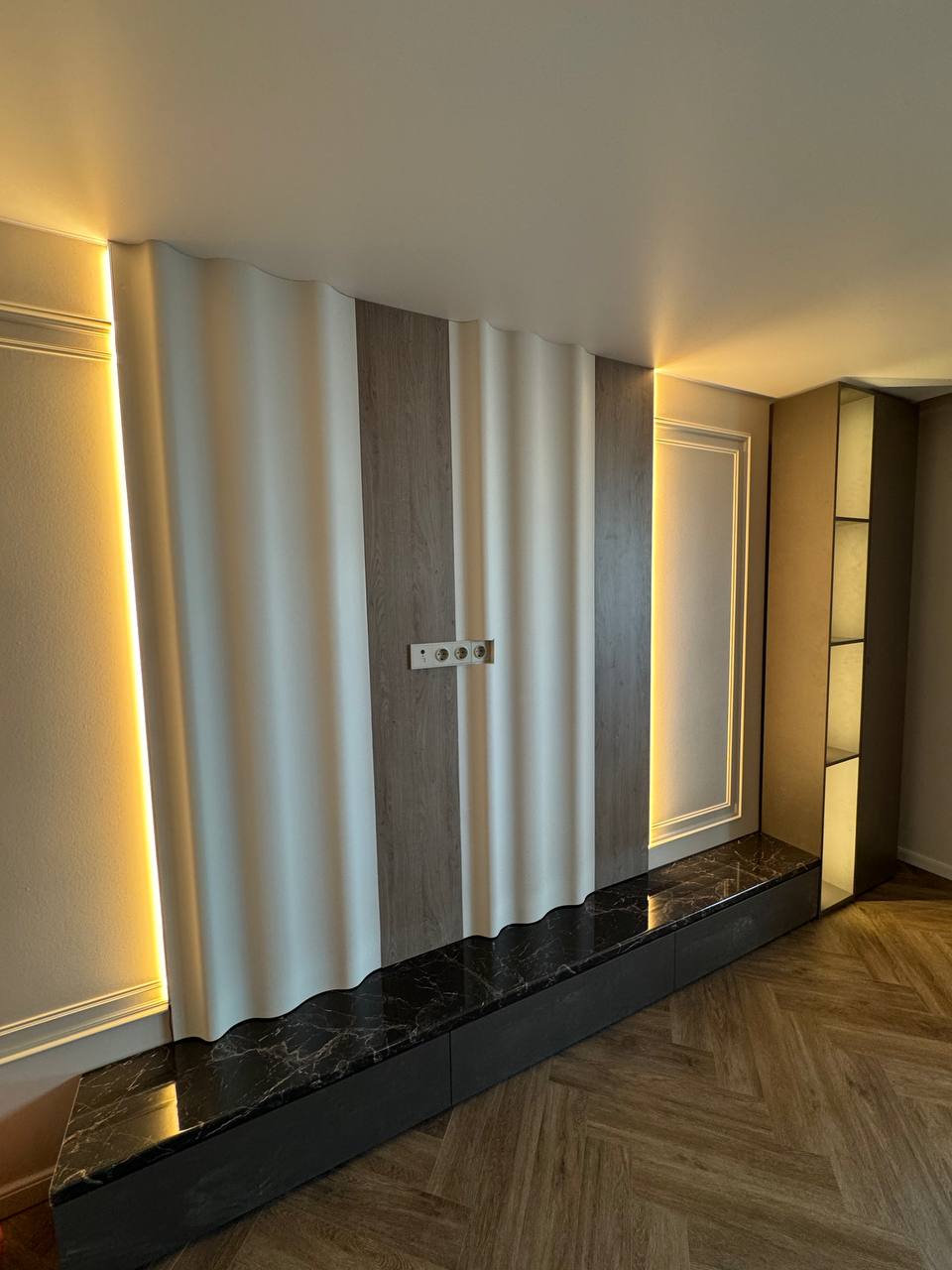
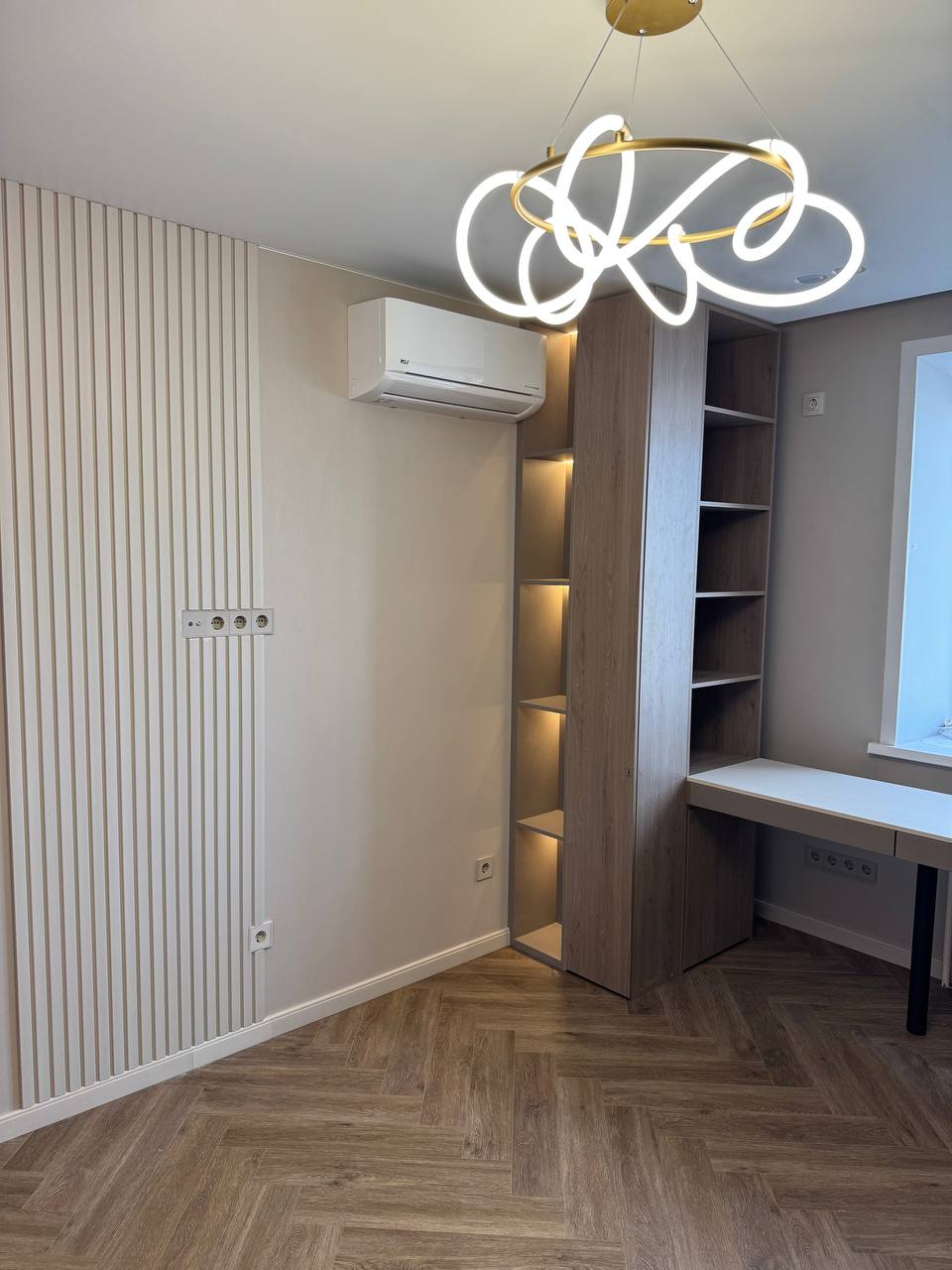
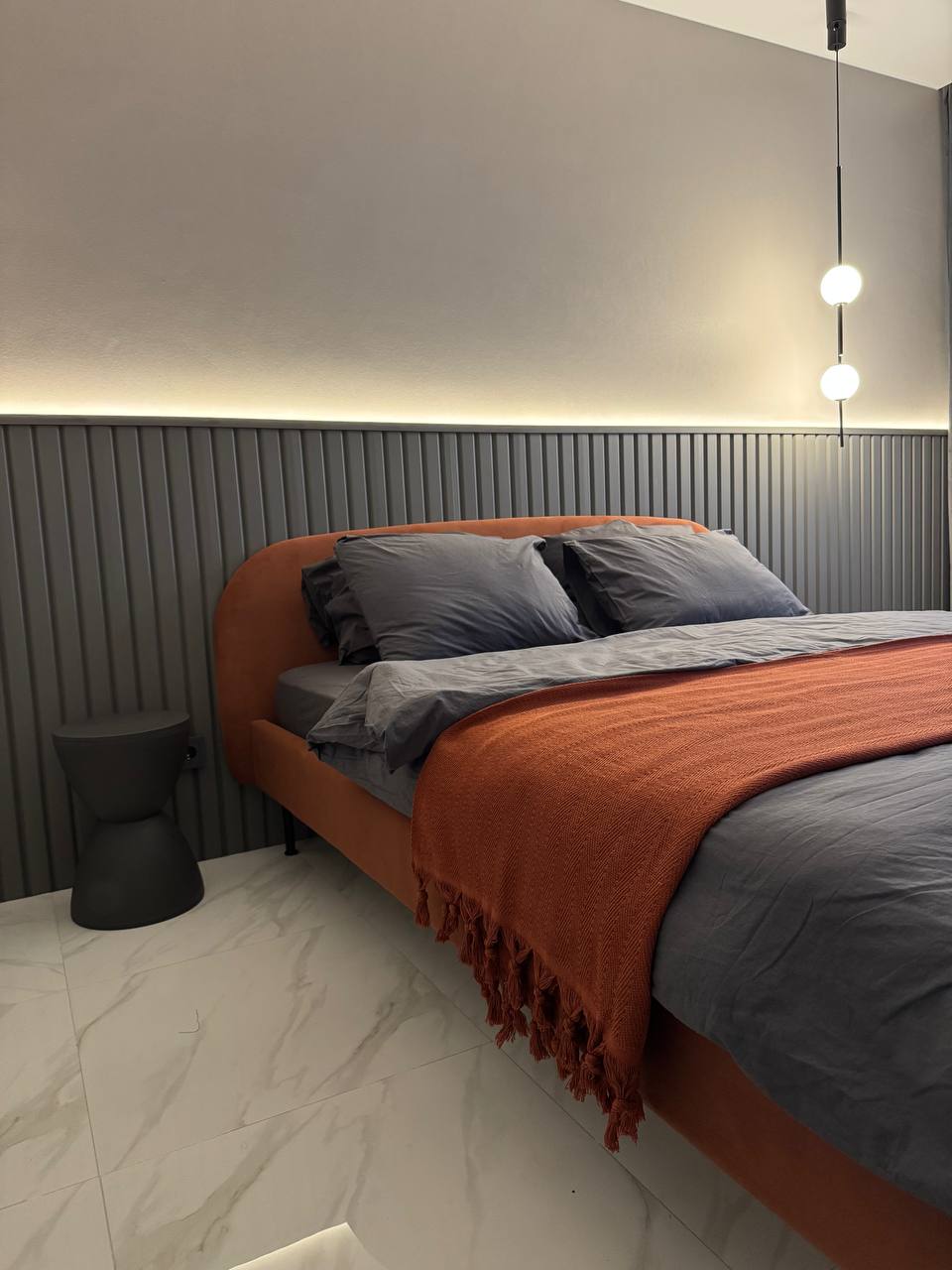
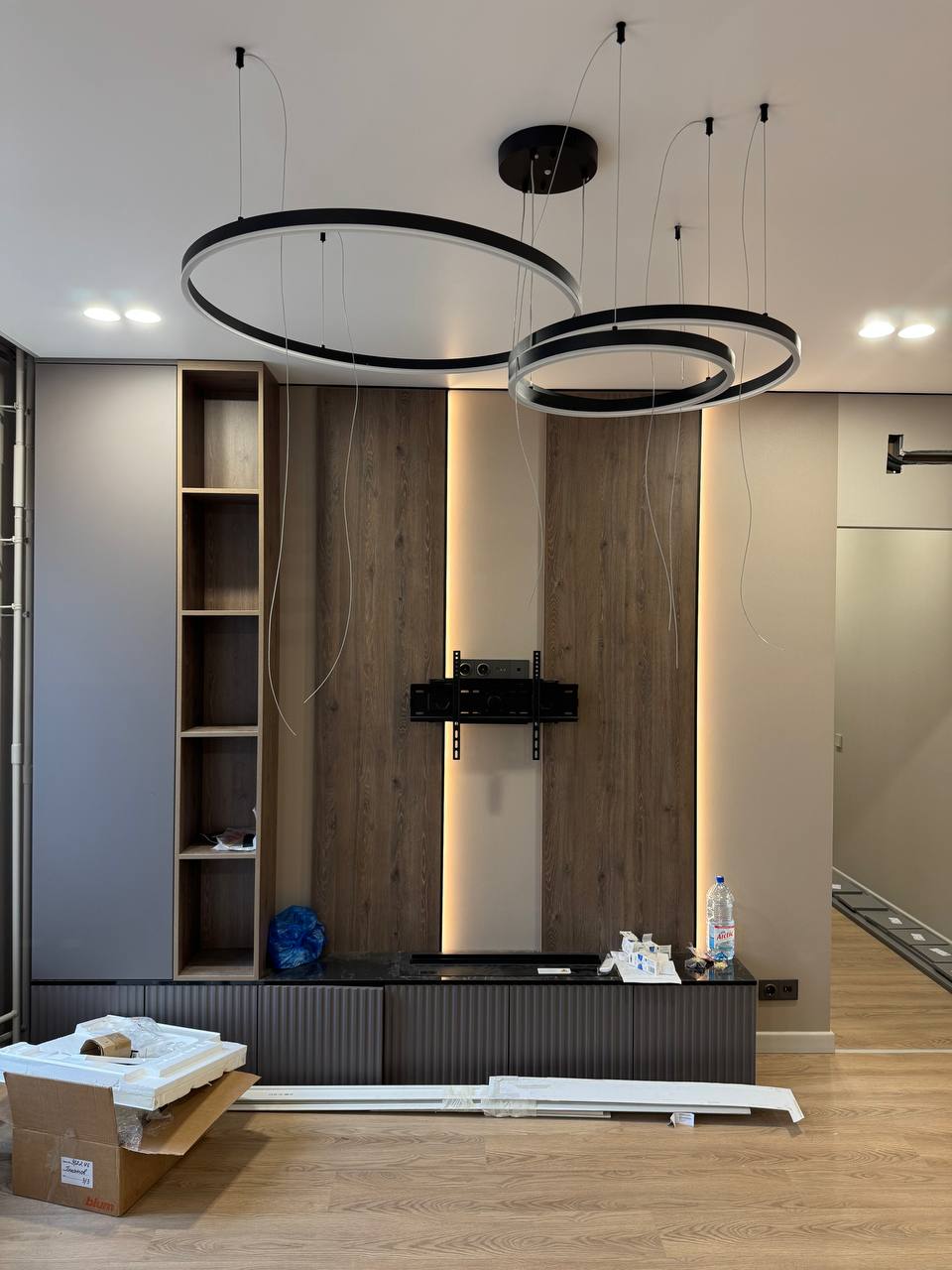
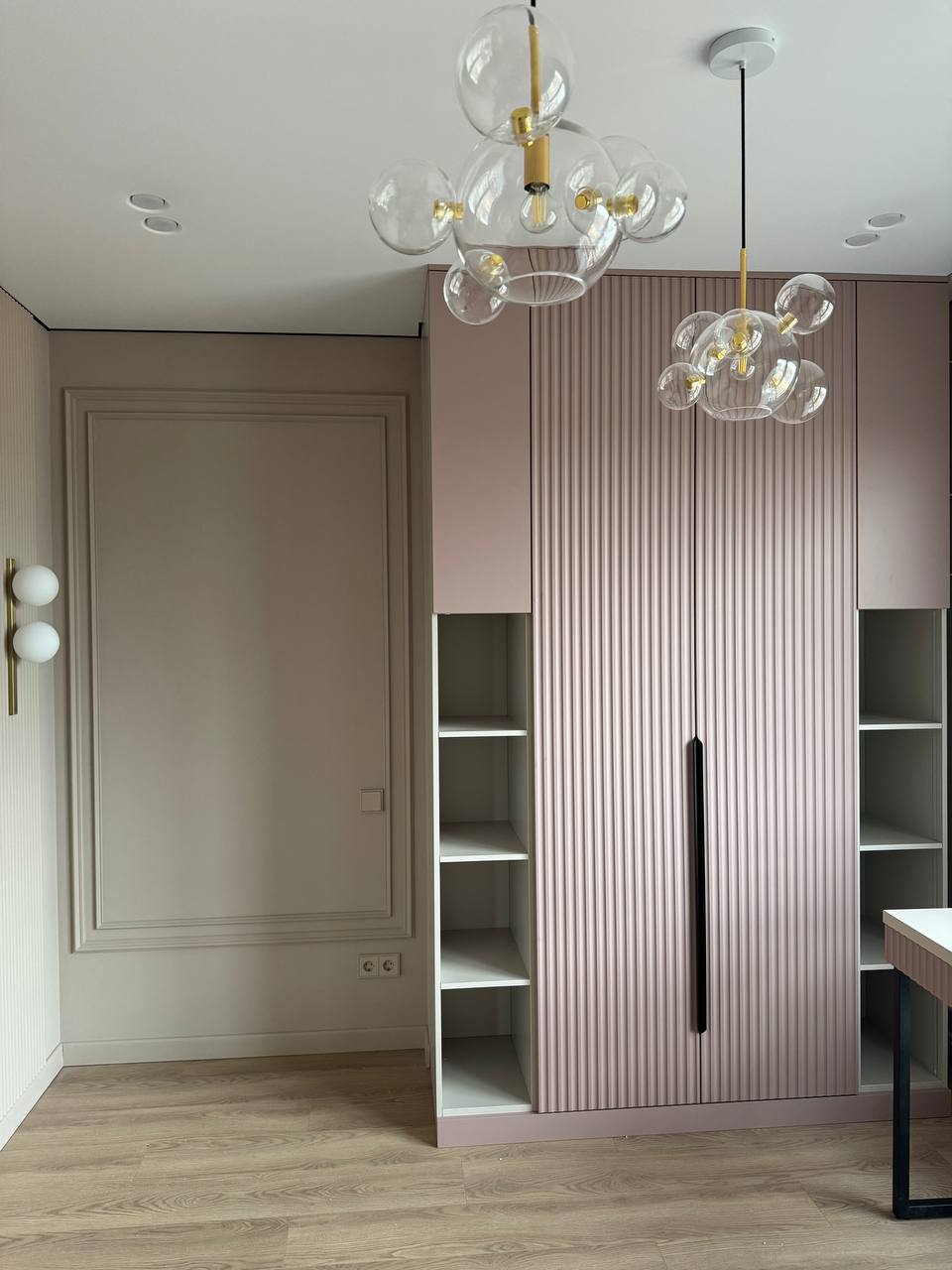
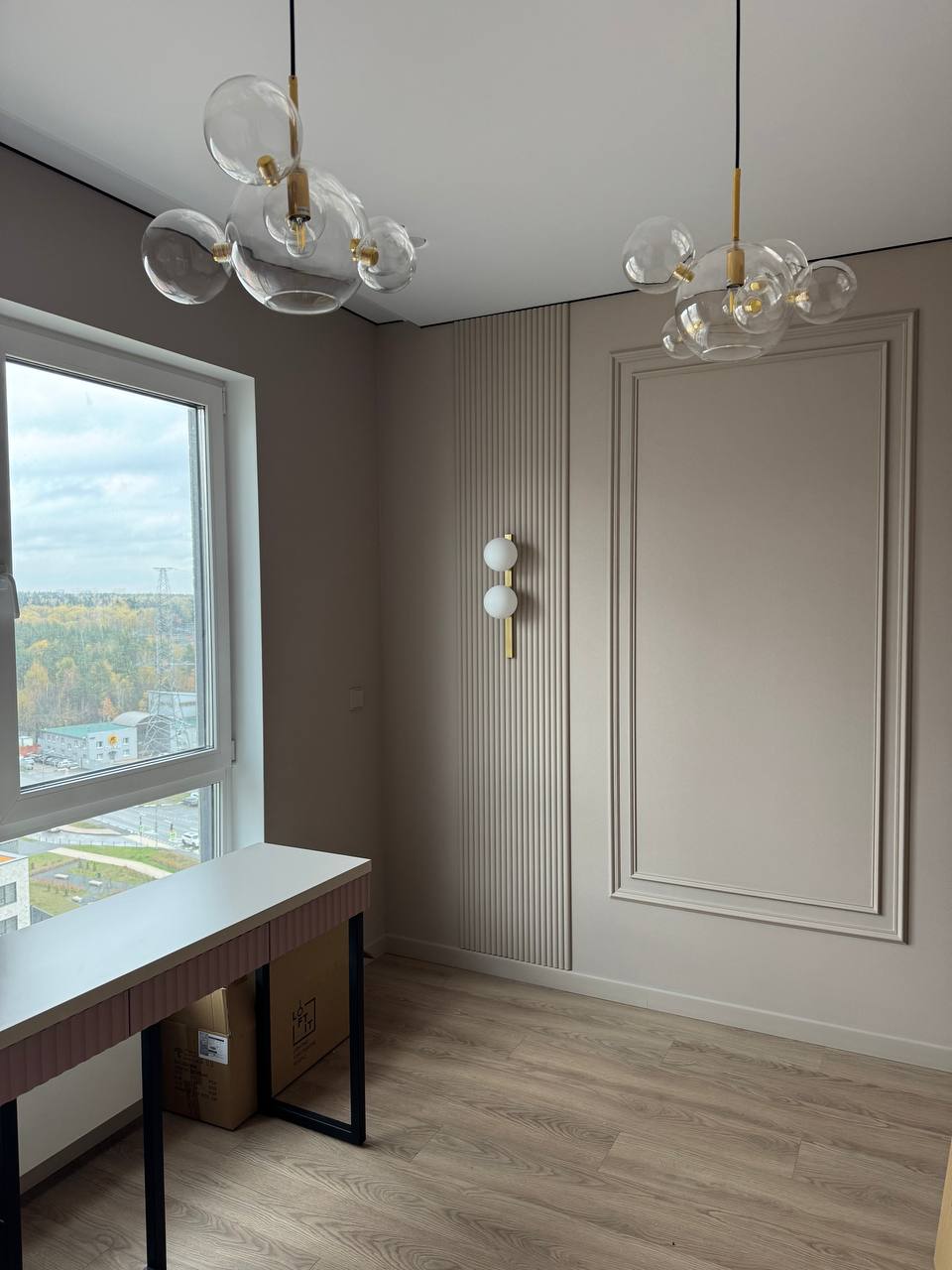
I sincerely consider design supervision a more important stage than the design itself. It is here that you can make the result even better than it was in the render — or ruin it. The main rule: we do not choose material/furniture/color remotely. We touch, feel, bring it to the site, and work with lighting conditions and different light scenarios, play with it, plan the work, procure in advance, and form a delivery schedule.
Relationships with Clients
– How does the dialogue with the client usually develop at different stages of work? Have you had difficult or conflict situations? If so, how did you get out of them? Perhaps you have formulated some rules or red flags for yourself about this?
We are all different people, with our own character and way of life, so Clients can be very different too. Someone writes every day from 6 a.m., while someone else only shows up for the acceptance of work. I won't believe a designer who says they never had difficult clients. I had several misunderstandings, and they all happened at the implementation stage. A couple of lessons I learned:
If the Client makes unilateral changes to the implementation, dialogues don't help; it's better to step back from participation — nothing good will come of it;
Communication where you are viewed as obligated to give an answer here and now throughout the renovation, without design supervision, is undesirable;
Talking down to someone will never end well, no matter how you try to find an approach.
Sometimes it's better to step away, closing your obligations, than to enter a phase of confrontation.
Personal Challenges
– Have there been periods in your career when work stopped bringing joy or you felt inner resistance? How did you cope with it?
Just last spring, during the design of a large project, I experienced burnout. It was caused by a strict work schedule over a long time; recovery took almost six months. Tasks need to be varied — here the tandem of design and design supervision is especially good, as there is an opportunity to switch. And also rest, creative trips, beholding the beauties of the world.
– What helps you move forward when a project or task seems difficult or uninteresting?
My hyper-responsibility. I value my reputation and the Clients who trusted me. A difficult task does not equal uninteresting; after solving such tasks, on the contrary, you feel satisfaction.
Teaching and Future Plans
– You already have teaching experience. Tell us how you came to this activity?
Yes, since 2020 I have been teaching interior design. I want to bring my idea to the masses — practice and again practice, let's say no to just beautiful 'pictures.' For my students, I conduct not just boring classes but add a special touch, increasing interest in the profession.
– You are planning to return to teaching design now. What prompted you to do this and what tasks do you set for yourself in teaching?
Right now I am leading a group on a course at an international school. I like the energy that hovers in the classes, the burning eyes of those who are learning all this for the first time, seeing their first steps in the profession, going through difficulties together with them.
– If you look at existing educational programs — what would you like to change or add in them? Why is this important to you?
I consider existing educational programs boring and outdated; there is a lot of 'water.' That's why I bring practical aspects into teaching. For example, we like to study celebrity homes for styles with students. The world has changed; the current generation perceives this life differently than we do. The approach to teaching must keep up with the times.
– You are thinking about using Planoplan in the educational process. What, in your opinion, can this program give to future designers? What makes it a suitable tool for teaching?
I am thinking about introducing Planoplan into education. I believe it is a good start in design for a beginner, because it provides a quality image for clients that can be sold. Its ease of learning allows you to quickly grasp the essence and start a career in the profession.