How to Start Your Interior Design Journey and Stop Fearing Mistakes
Three Stories of Beginner Designers Who Are Already Taking on Commissions
- 8 may 2026
- 1833
Here at Planoplan, we believe there’s no single “right” path into interior design. Some come from architecture college, some from real estate, and others just stumble upon an inspiring TikTok video and decide to give it a try.
But there’s one thing everyone shares: fear. Fear of taking on your first project. Fear of saying “I know what I’m doing” when you don’t have experience yet. Fear of showing work that you’ll look back on in a year and see nothing but flaws.
This article is for those of you just starting out, thinking, “Isn’t it too early to put myself out there?” No, it’s not too early. Here are three real stories — raw and honest. Each of our heroes has their own path, their own “is this okay or is it cringe?” moments. But what unites them all is that they’re already doing the work.

You can’t jump straight to the finish line. Don’t be ashamed of being at the beginning of your journey. At Planoplan, we support you at every stage — from your first furniture layout to complex commercial projects.
Hero 1. Valeriya Bakina: “I Started Working in My Third Year of College, and I Do Free Projects for Nonprofits”

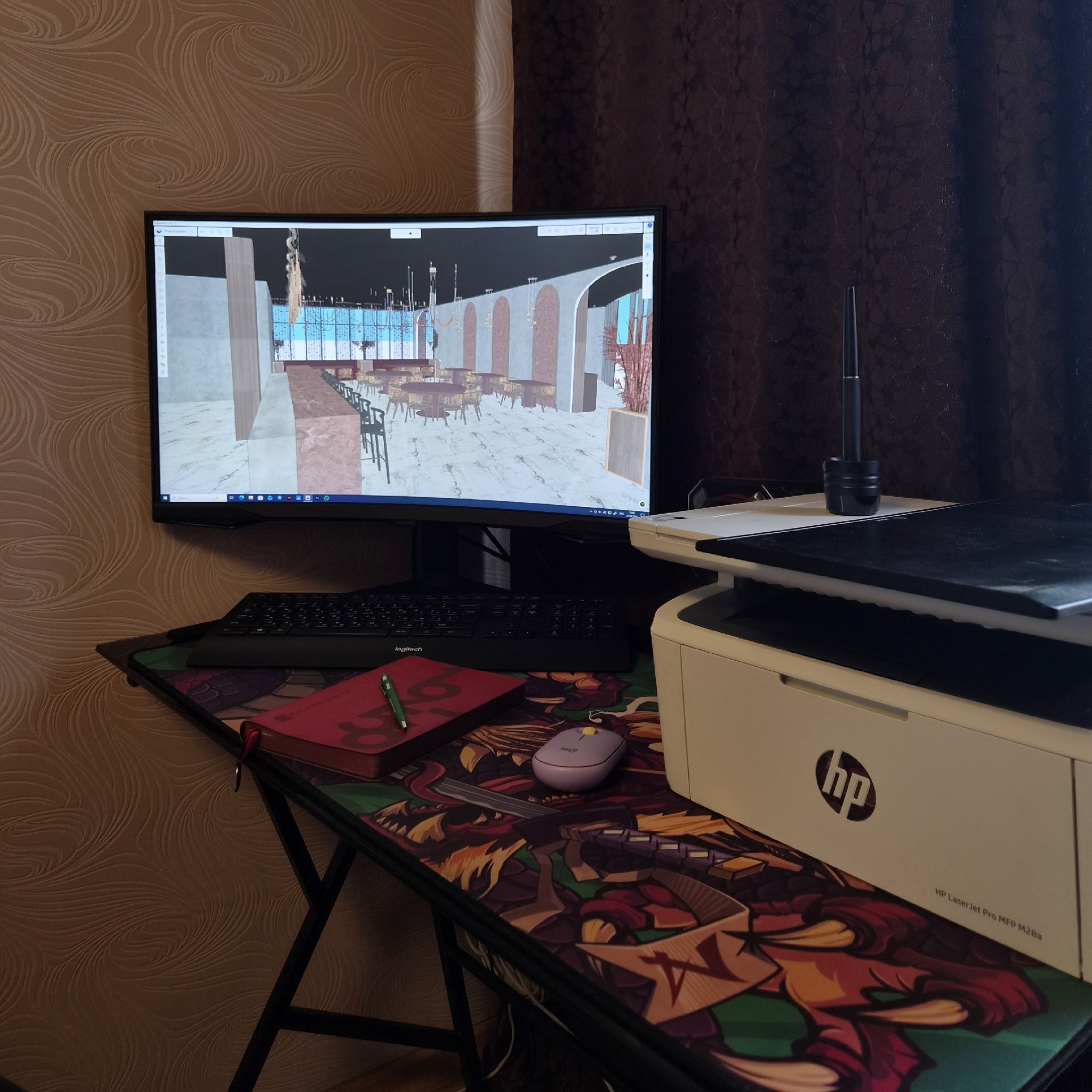
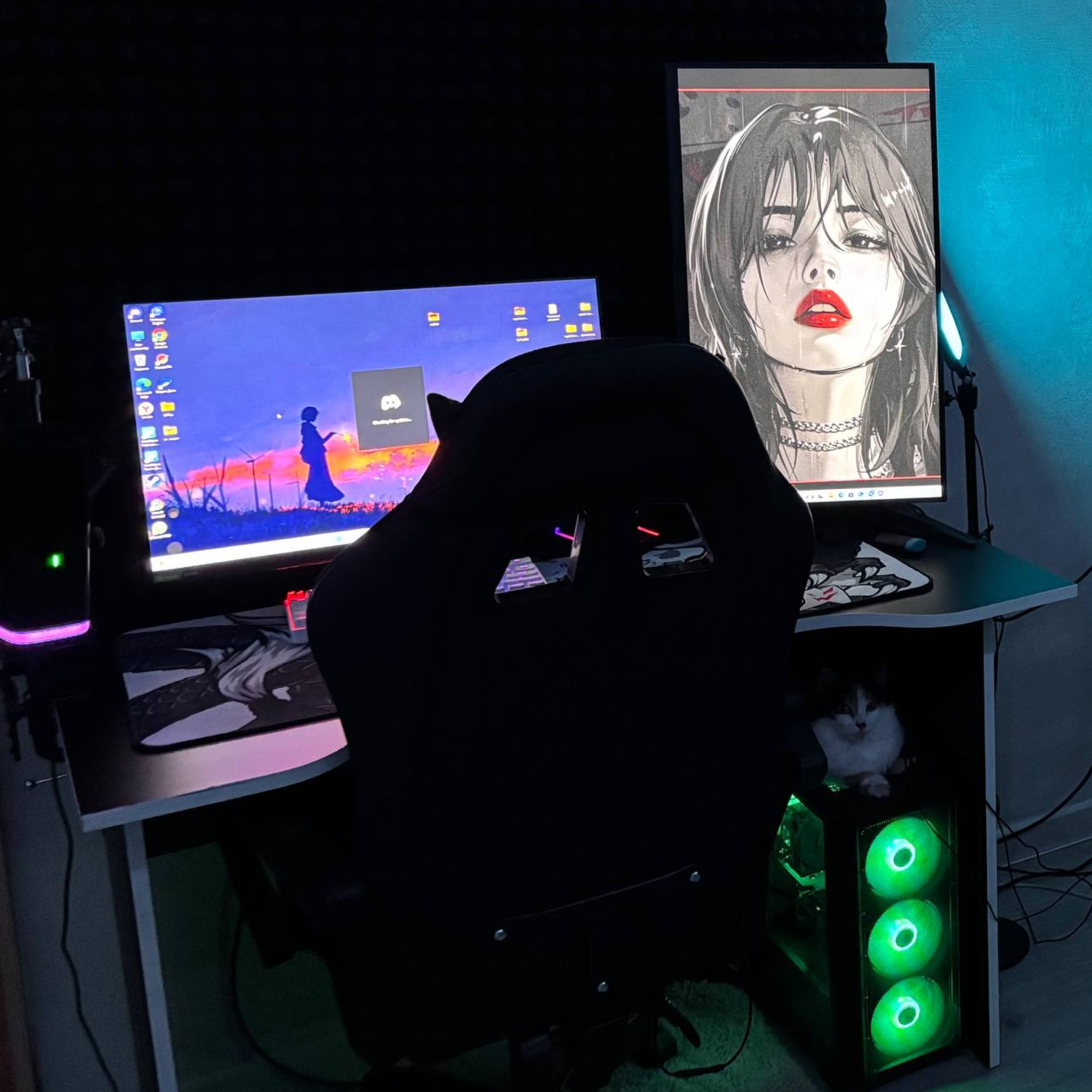
Most of my work is done on a computer, because I try to push the quality of my renders as high as possible. A large monitor helps a lot — it makes things much easier. My workspace might not look like those perfect Pinterest photos, but what matters is that it’s comfortable for me. If I need to travel, I take my laptop — I can still do everything I need to do on it.
How I got into design
I’ve been studying architecture at a college in Penza for five years now. One day in class, we started analyzing interior spaces — designing actual interiors. And it was love at first sight. I realized I didn’t just want to design building exteriors; I wanted to create functional, ergonomic, and beautiful spaces for people to live in. That’s when I decided to focus on interior design.
I started working in my third year — first at an architecture firm. Then I realized I wanted to focus more on interiors, and I got lucky: I found a great mentor. He taught me almost everything I know now, from scratch. Even today, if I hit a dead end or can’t figure something out, I can always text him — he’ll help.
My first project in Planoplan and why I chose it
Planoplan was a real discovery for me back in 2023! I had to do a school project. I came home, turned on my computer, opened 3ds Max — and everything just crashed. I was almost in tears, so frustrated… The deadline was coming up, and I had nothing. With time running out, I started looking for an alternative with solid functionality to get the project done quickly. That’s when I found Planoplan. I was impressed by the intuitive interface, the rich toolset, and the render quality. I finished the project on time, and that experience convinced me to keep using Planoplan.
How I find clients and what I charge
My first solo project happened literally on the fly. Someone just messaged me: “Can you do a design project?” And without overthinking it, I said: “Yes, I can!” And that’s how it started. I remember being a little scared at first — it was my first time, no safety net, just me and the task. But then the excitement kicked in — can I do it? How fast will I figure things out? What will the result look like?
Right now, I do full design projects including drawing sets, renderings, furniture selection, materials, and lighting. Since I’m still a student, I can’t take on full construction supervision. But I do provide ongoing support throughout the implementation — I quickly answer questions and make adjustments when needed.
My rate is below the market average locally. That’s because I’m still a beginner and learning. After calculating the total cost, the client pays a 20% deposit.
Free work? Yes, for nonprofits
I’m ready to do design projects for free for nonprofit organizations. In December, a local “Good Center” asked me to design the interior for a small space — the original layout didn’t fit their needs. I did the project, adapting the space for their work. As recognition, I received a thank-you letter and genuine words of appreciation from their team. I think it’s important to support social projects and help where it’s needed.
My most significant project
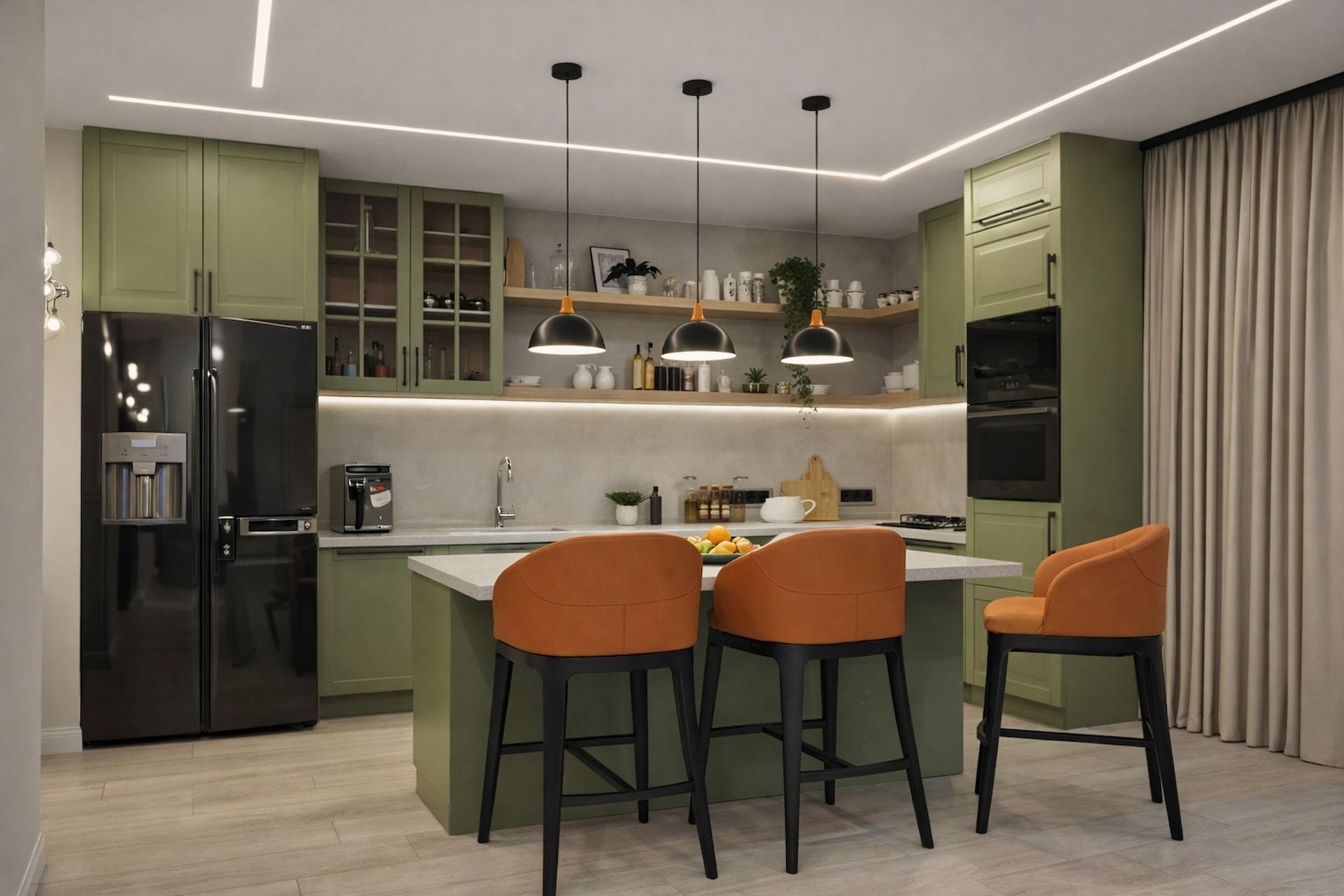
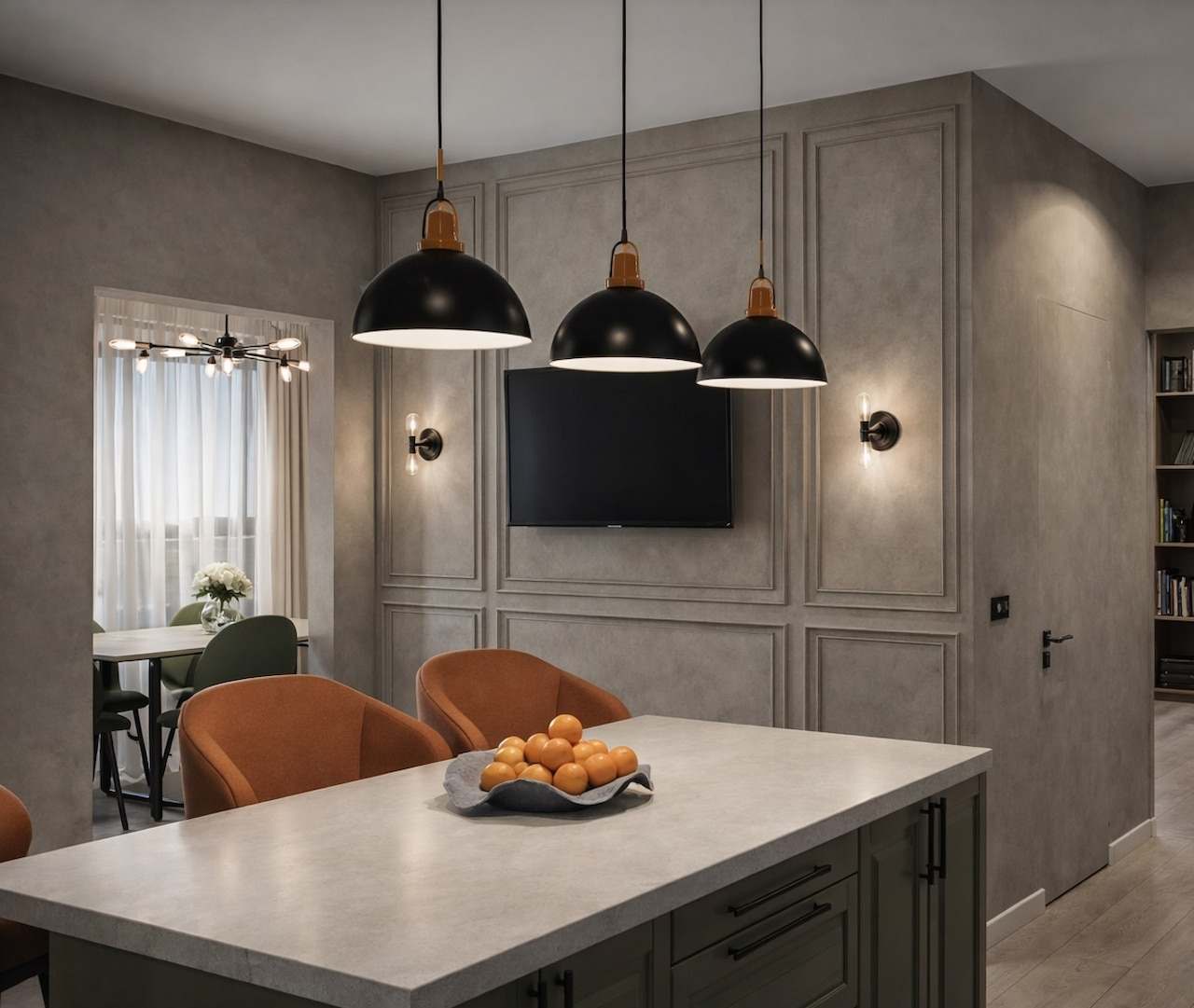
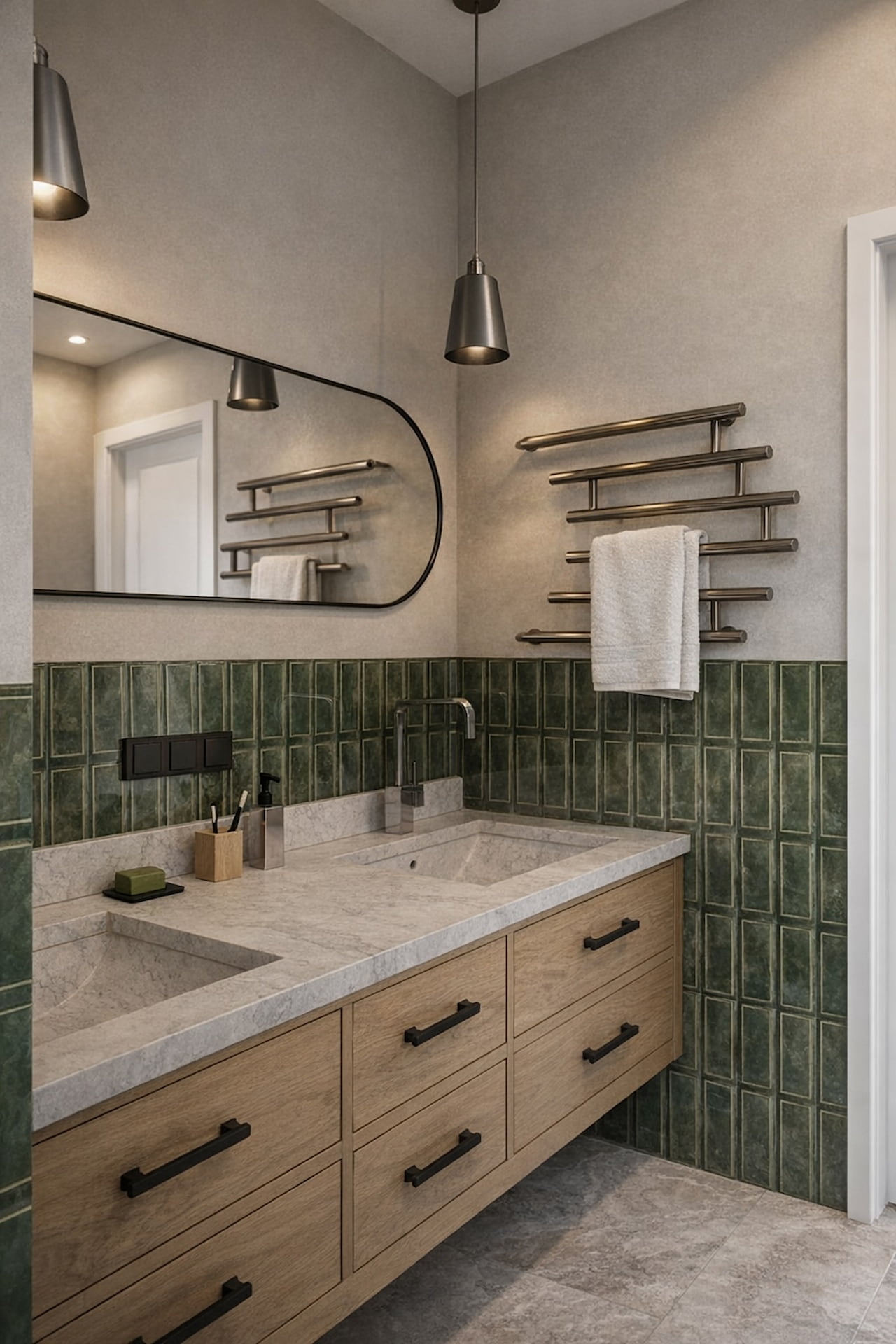
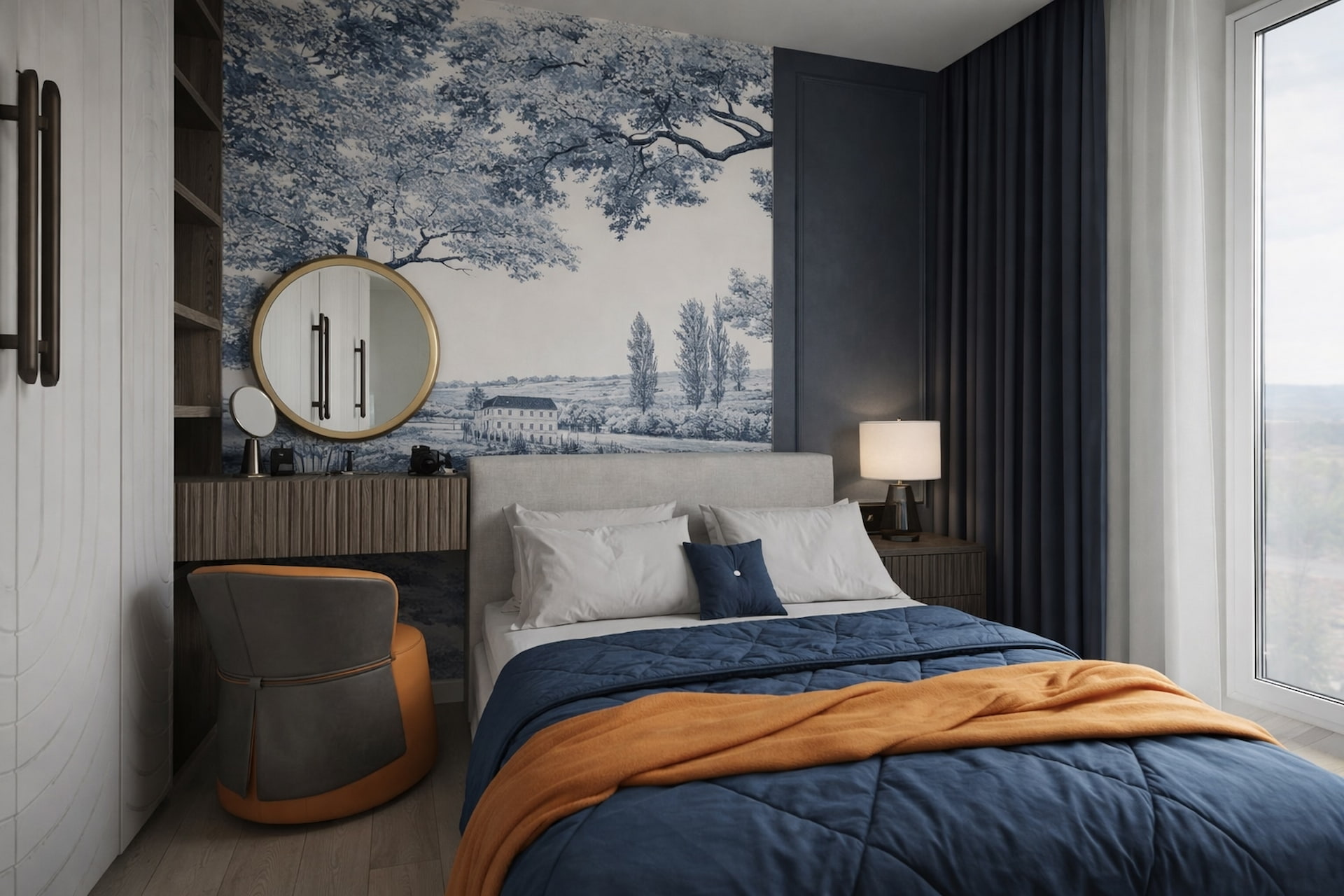
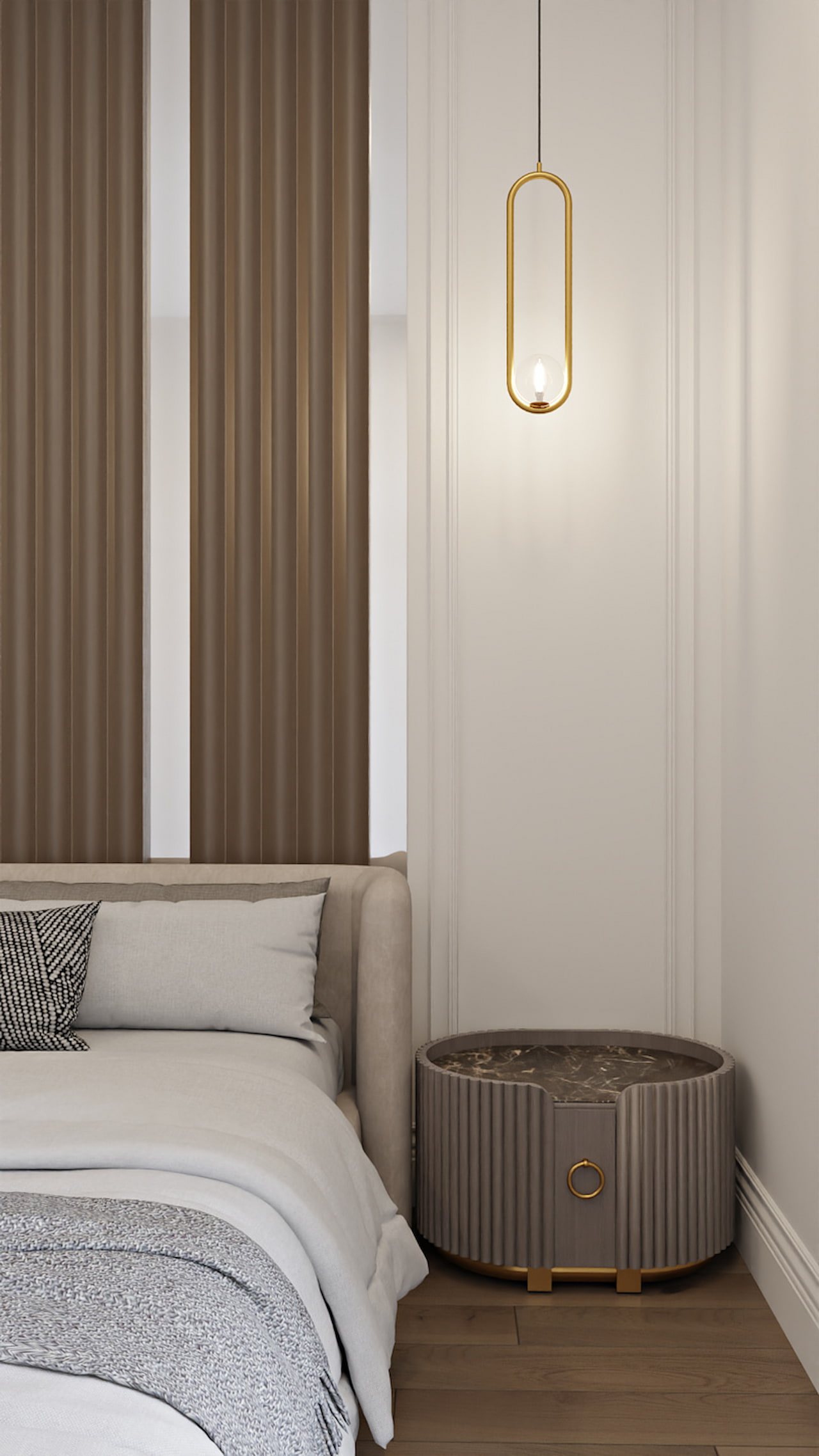
I use Planoplan for both school and real projects. One of the most significant was a 1,250 sq ft house for a young couple. We talked a lot at first — I asked them to send me images of interiors they liked. Lots of discussions and debates, but that’s exactly how something truly personal is born. In the end, we found the perfect solution that reflected both her taste and his.
I did a small reconfiguration, arranged the furniture according to their habits. I built the 3D model in Planoplan as we went — that was a lifesaver. Not everyone can visualize how a sofa or kitchen will look from drawings, but here you can see actual sizes and colors. The clients could “walk through” their future home before the renovation even started — that really excited them. And when I showed them the final result, their eyes lit up. Before me, they had gone to another designer who wanted to knock down all the walls. We did it more thoughtfully, and it turned out exactly as they wanted.
A funny story
One memorable moment was when I went to measure an apartment. The client was extremely enthusiastic about his vision and kept sharing ideas. I listened carefully and took notes. Things took an unexpected turn when we moved to the living room — he suggested making the main light source a “moon on the wall above the sofa with backlighting.” I froze. In my head: “What? A moon? As the primary light source?!” It was funny, but I tactfully explained that you need more powerful fixtures for general lighting. In the end, the project used pendant lights with soft illumination as the main source, and a stylized moon lamp appeared as an accent.
My personal experience and takeaways
Of course, at first, there was fear of the unknown. Two things helped me overcome that barrier: support from an experienced mentor and inner self-confidence. Remember, no one is born with a suitcase full of professional knowledge. Skill develops gradually — through learning, practice, and reflection. If you’re a beginner: look, look, and look some more! Scroll through Pinterest, save what you like, figure out why it works. And I’ve learned how important it is not to be afraid of asking “stupid questions.” Better to ask upfront than to redo everything later.
Right now, I’m intentionally deepening my knowledge of color theory in interiors. To develop my eye, I regularly study design content on social media — analyzing designers’ work, tracking current color trends, and learning how to combine shades across different styles.
Hero 2. Danila Alekseevich: “Self-Taught from TikTok — I Design for the Love of It, and Clients Find Me on Their Own”

How I got into design
I have no formal education. Honestly, it all started with TikTok. I was scrolling and saw a video with really beautiful design projects. I wanted to try it too. I searched for “top 10 interior design software” and found Planoplan. I liked how user-friendly and functional it was, plus the free trial gave me just enough time to get comfortable.
My first projects
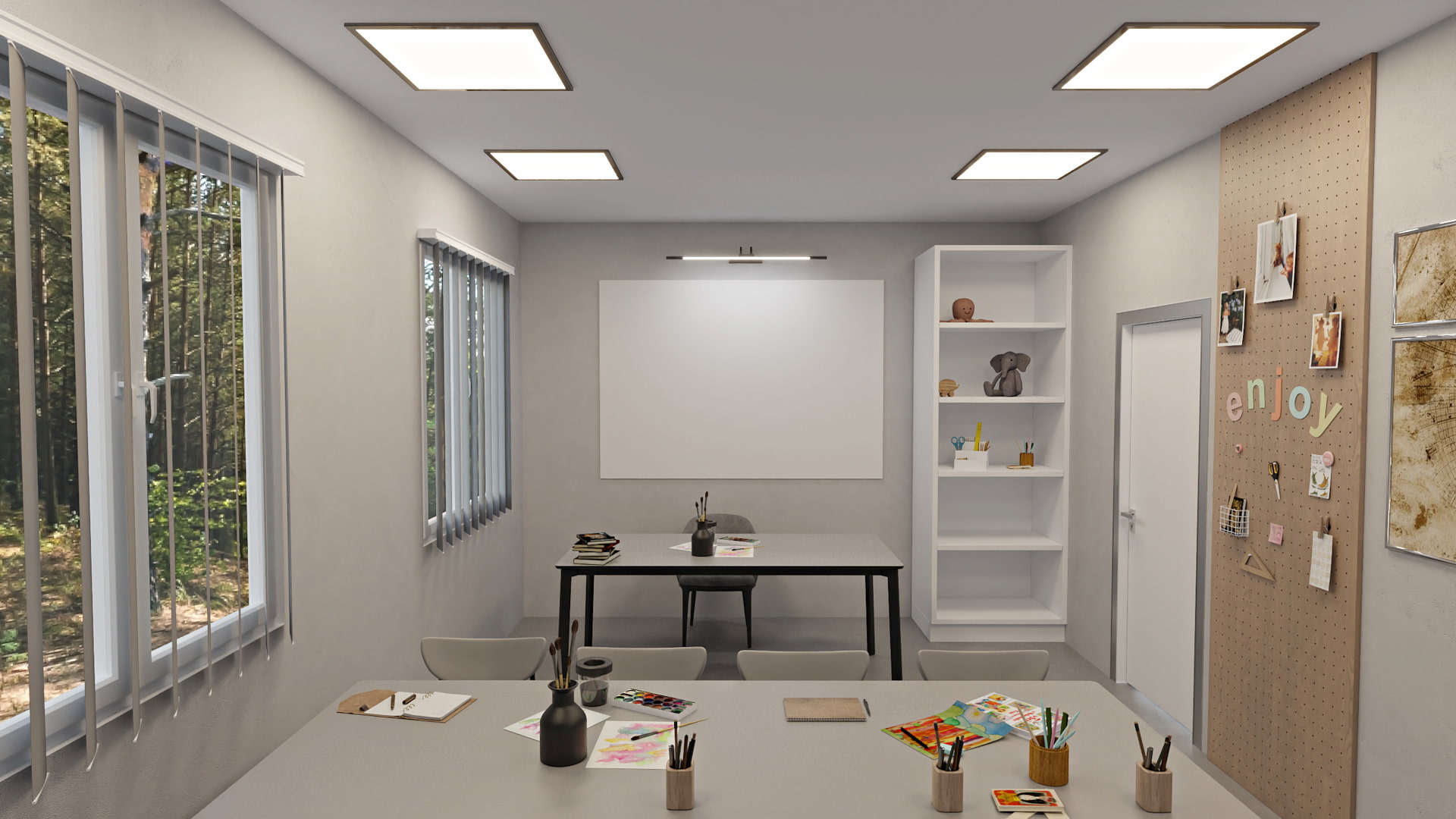
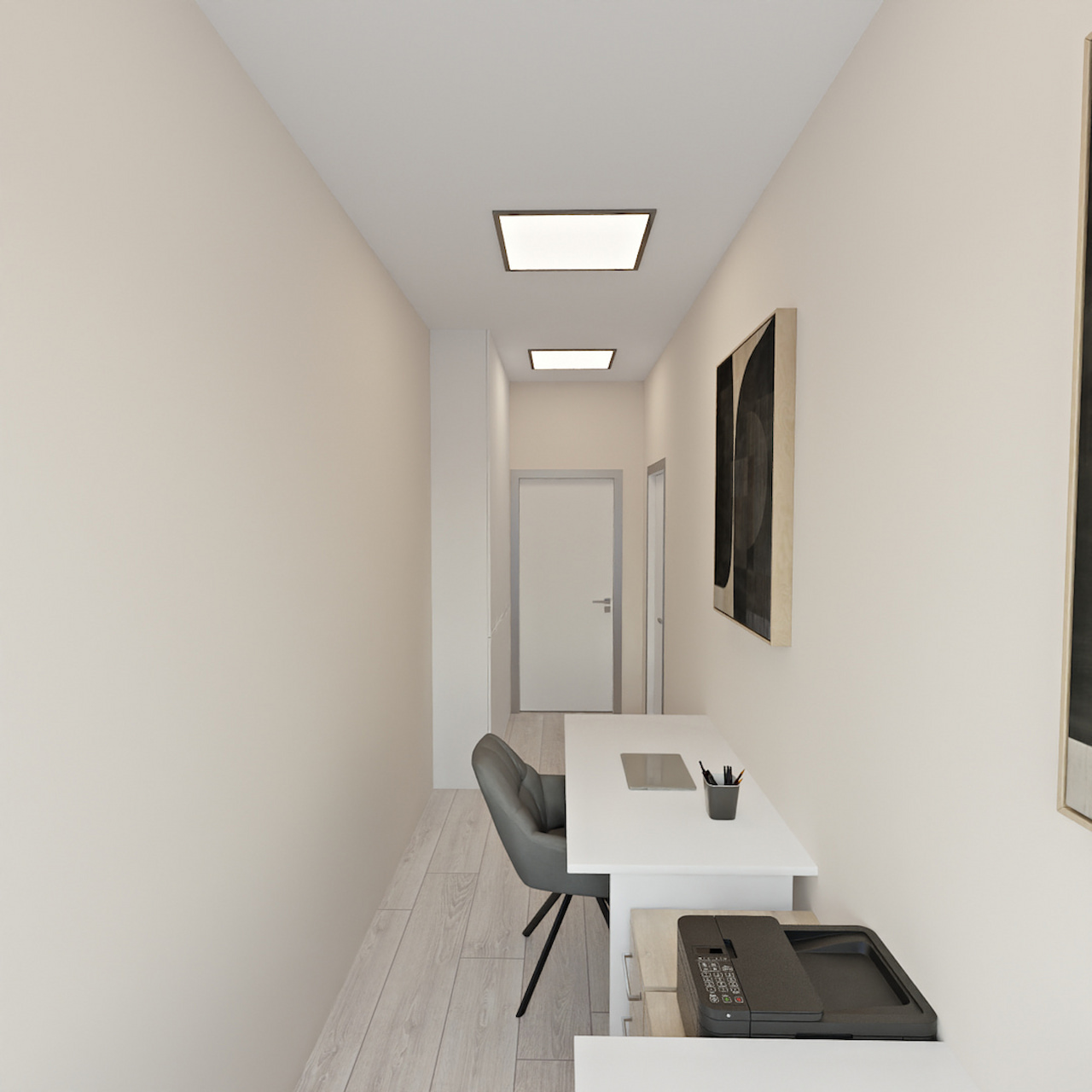
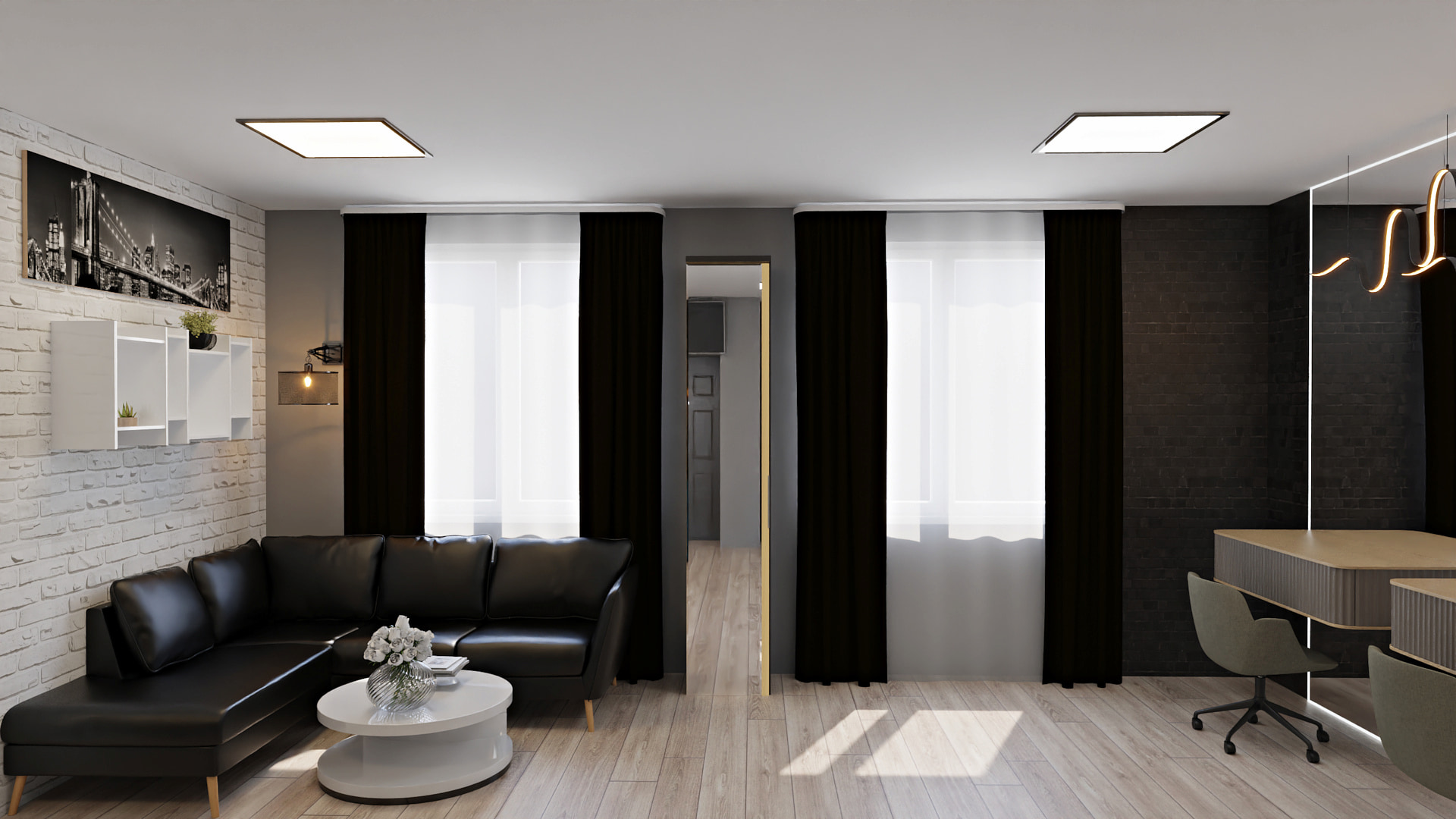
My first big commission was for colleagues — I designed several rooms in a new educational center, from a military-patriotic classroom to a tech-focused one.
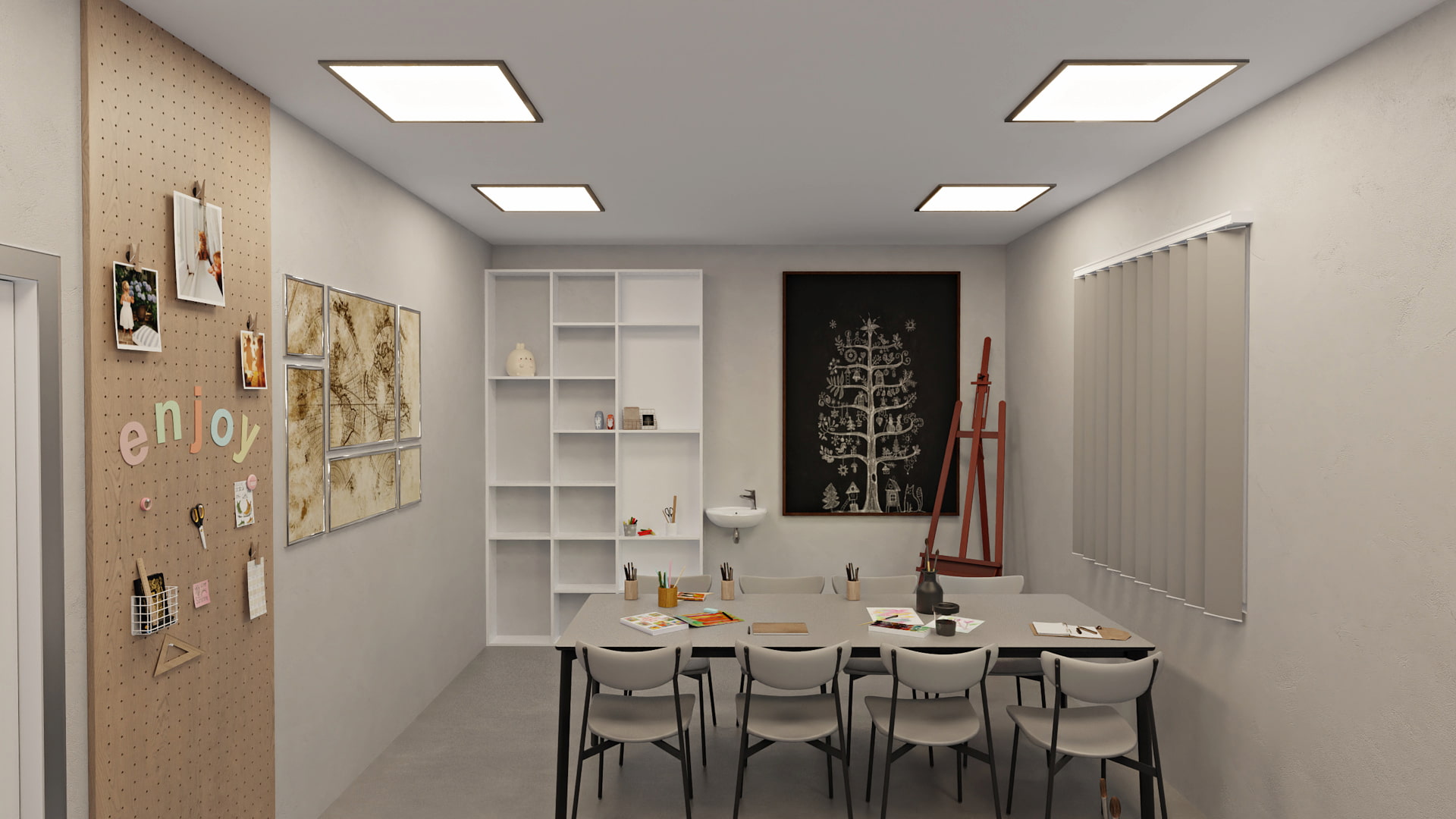
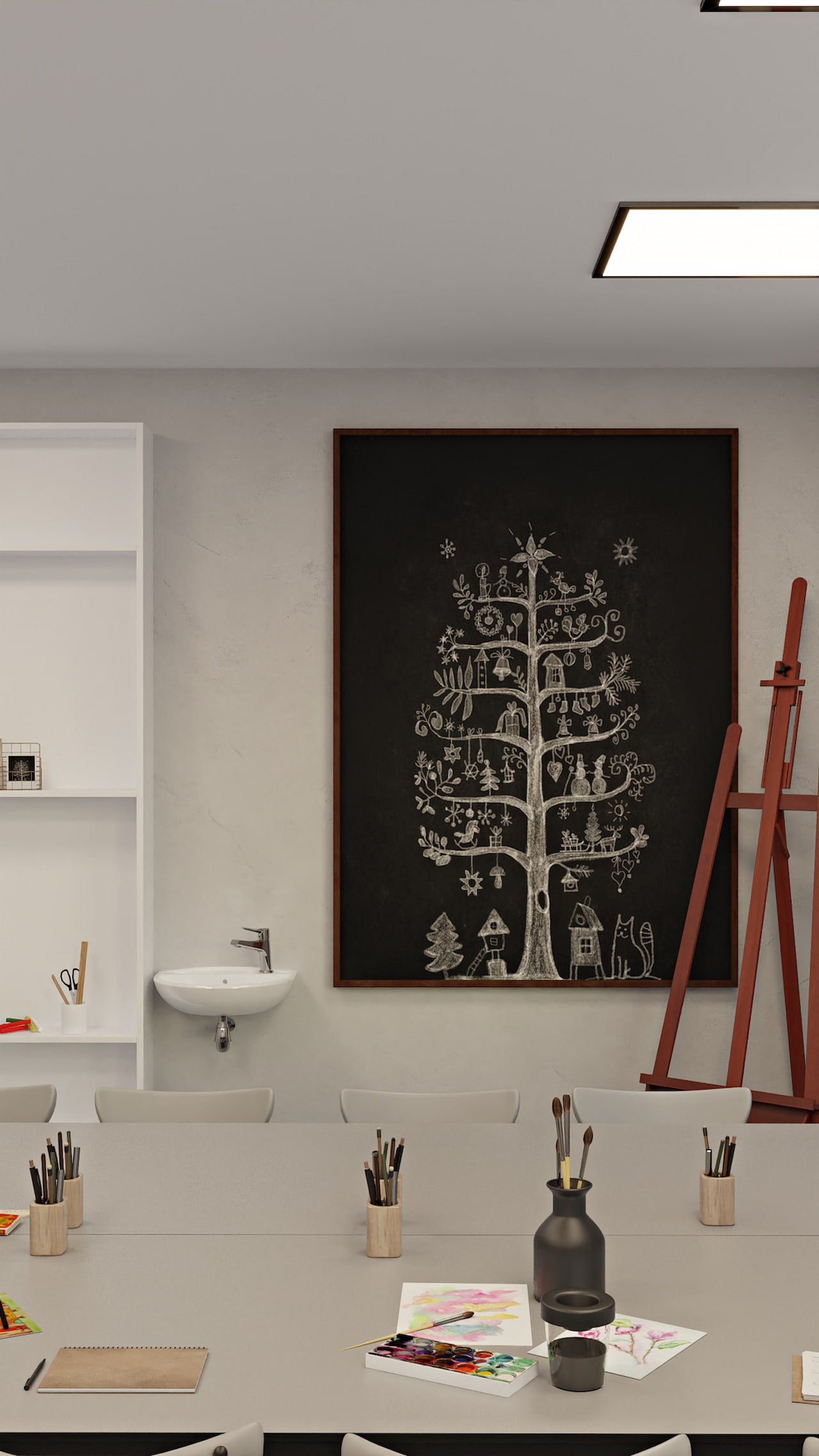
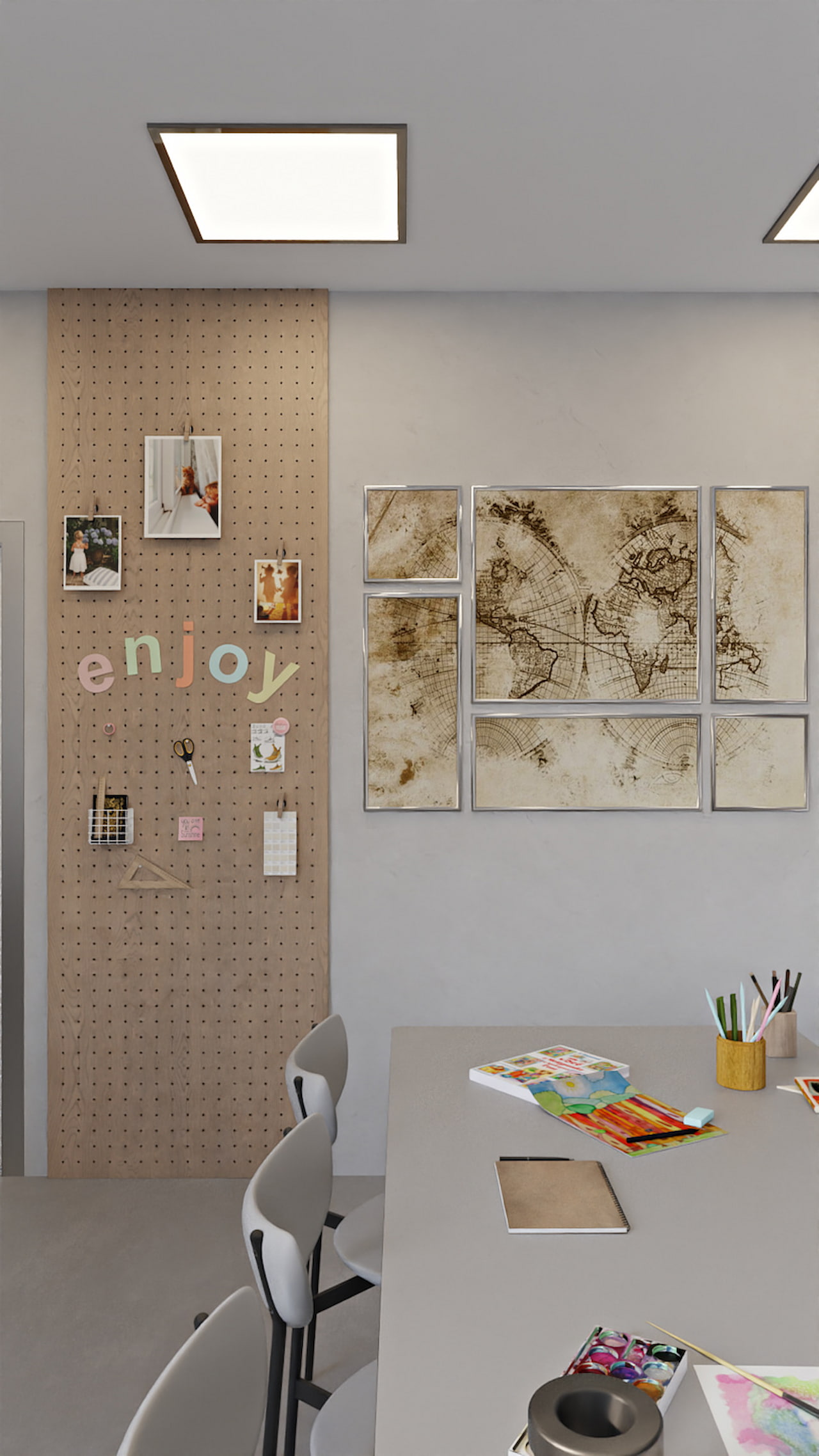
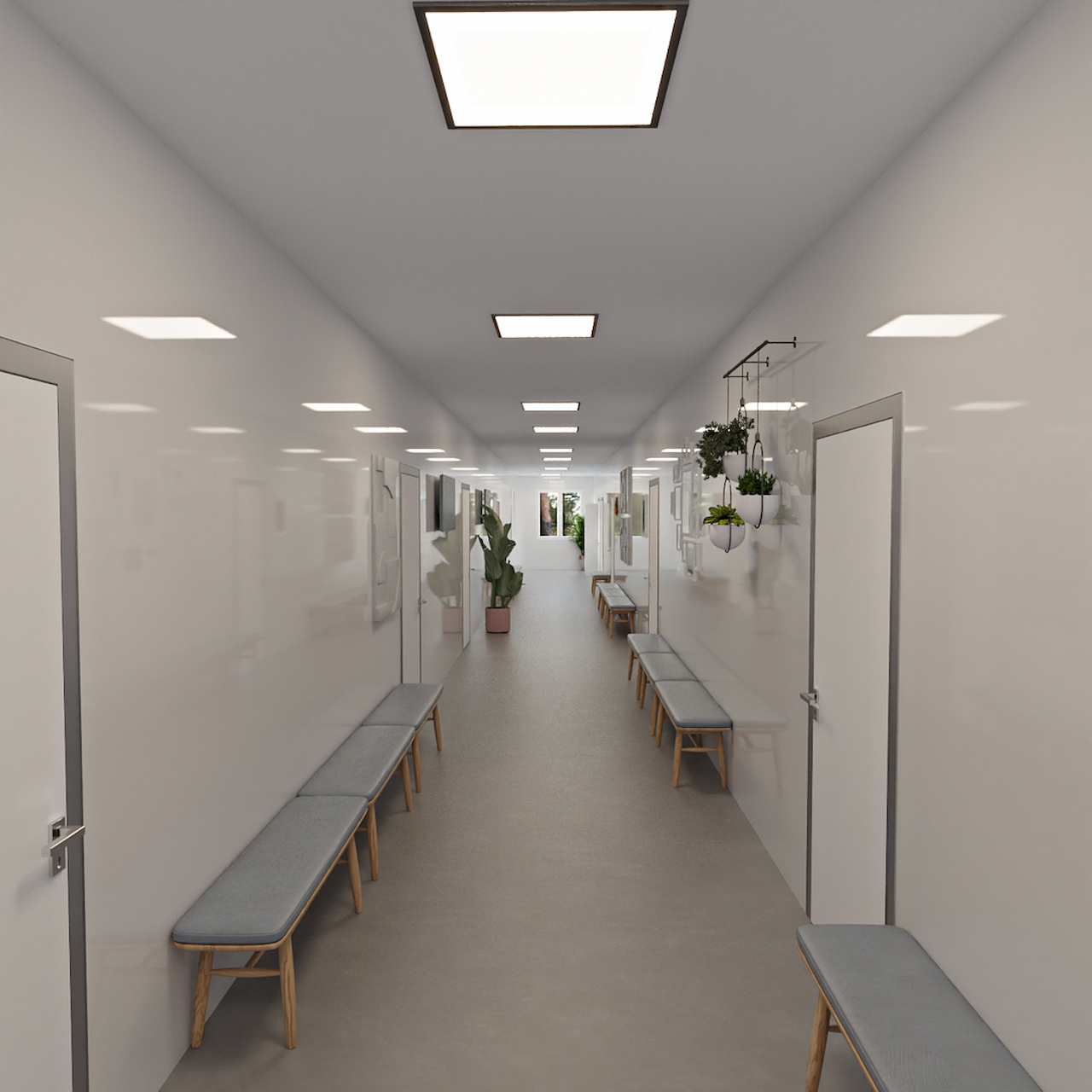
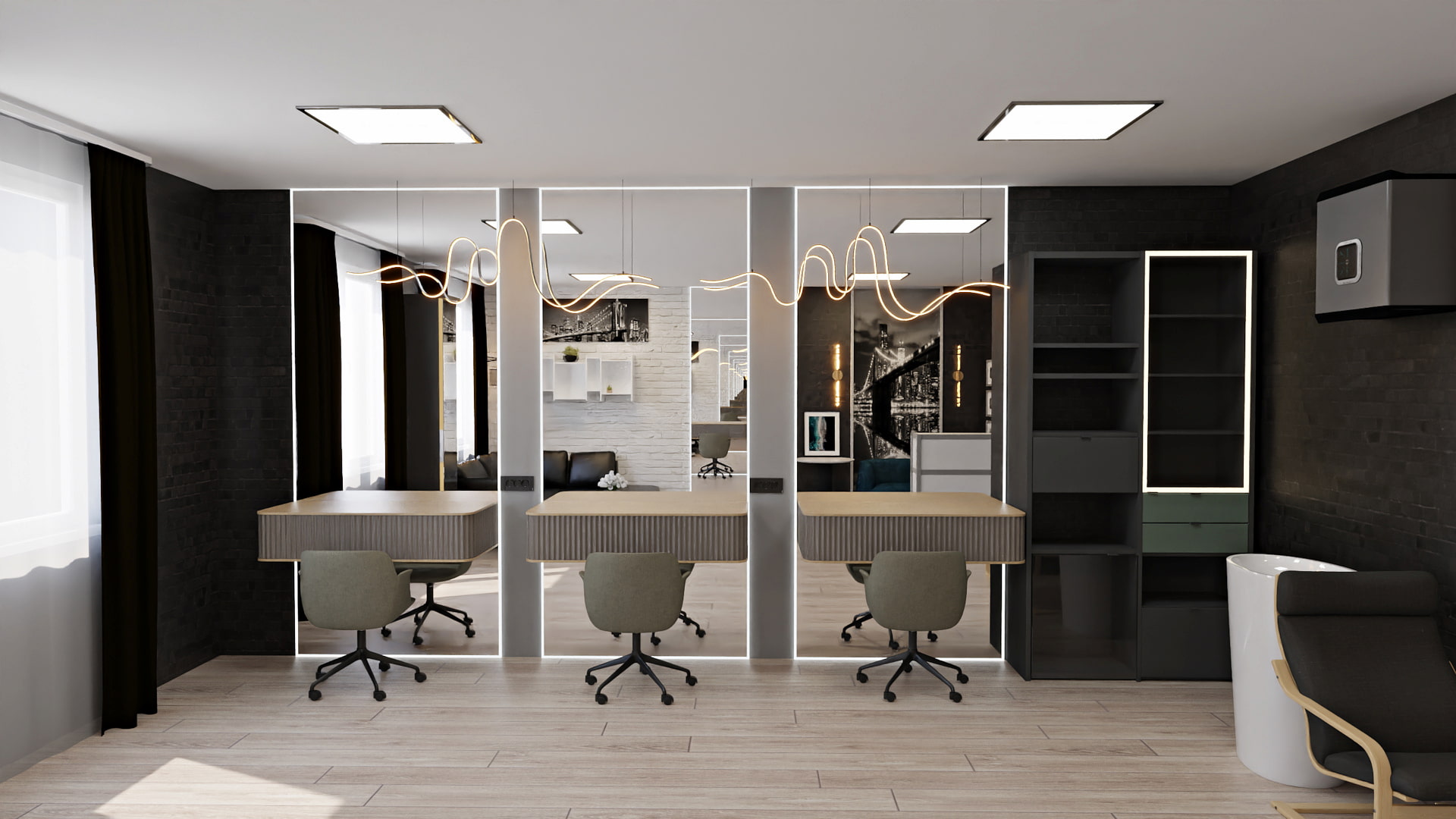
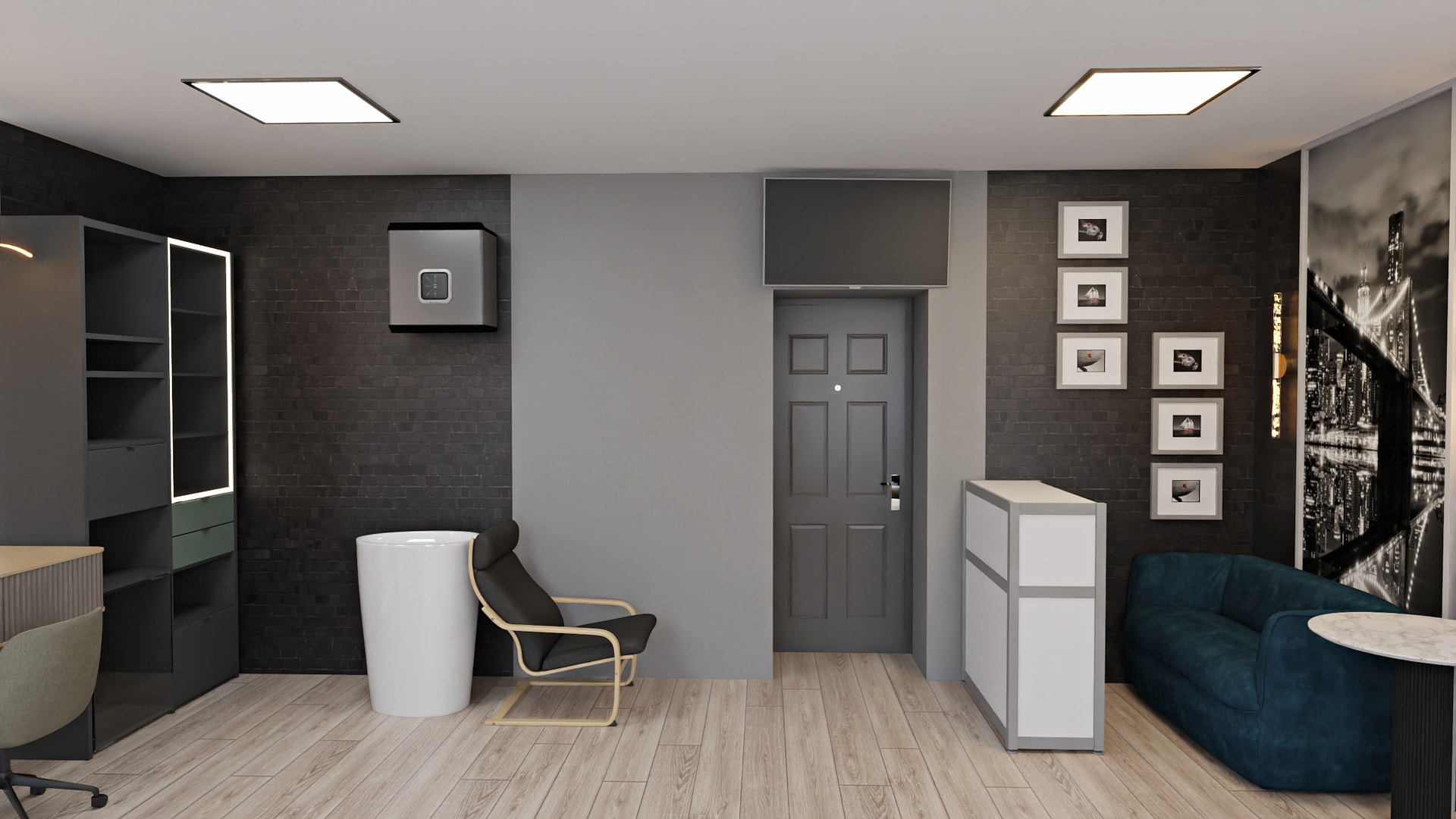
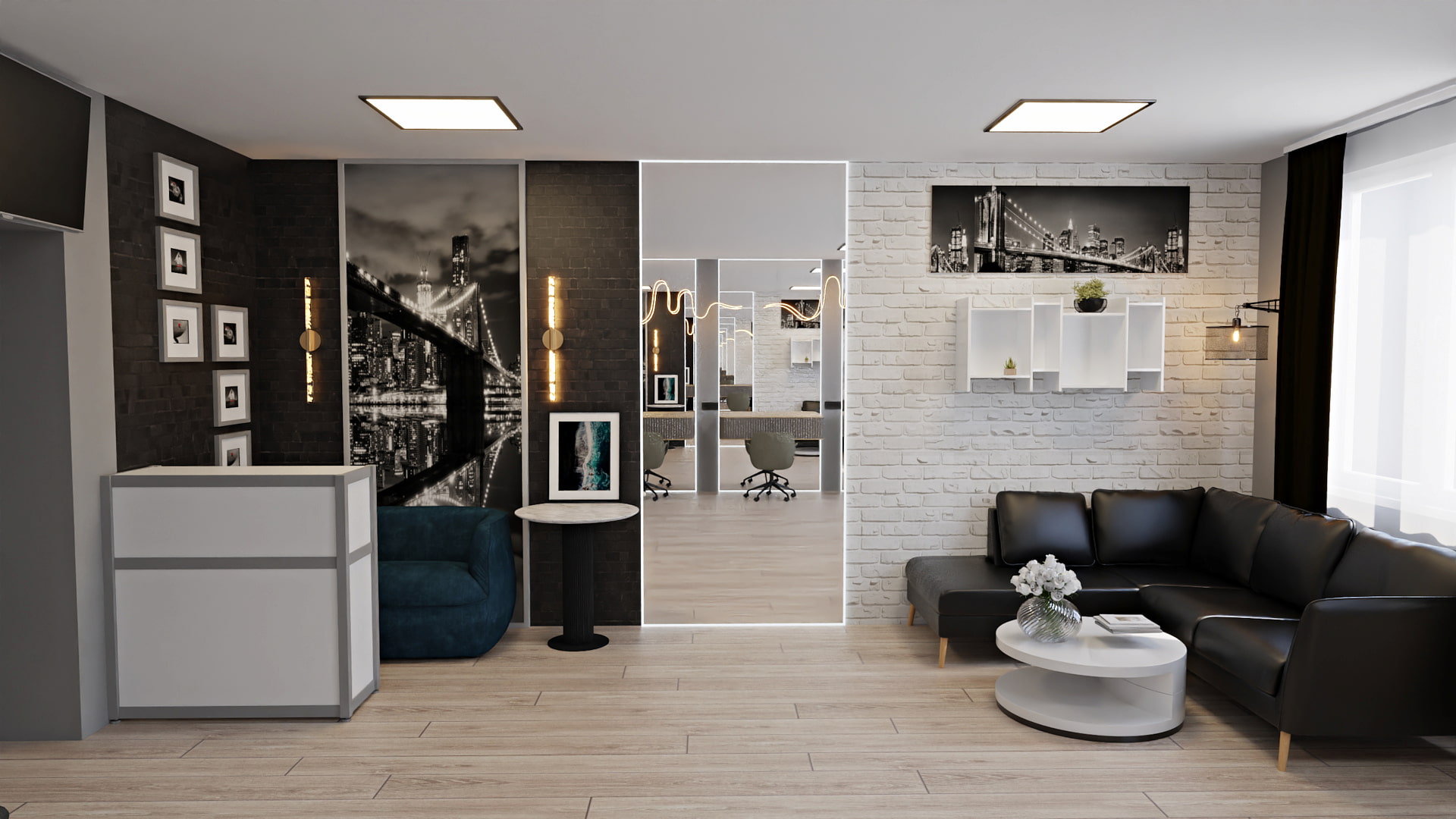
The second project was a beauty studio called “Brooklyn.” My hairdresser came to me and said, “Redesign the place, the old look is boring.” I said yes without thinking twice, and they started implementing it right away.
How I find clients and what I charge
In my region, the average designer rates are quite high. I charge well below the market average per square meter. That only covers the design itself — no site visits or supervision. For now, I take on almost any project — I want to build experience.
My first clients found me through social media, and then word of mouth took over. It’s a small village, and news spreads fast.
Were you scared to take the first commission?
Yes, of course. But what calmed me down was the thought that not everyone can afford to hire professional studios. Also, I try to gather as many details as possible during the initial conversation — that takes away some of the uncertainty.
What do you wish you had known at the beginning?
Funny enough — how to properly draw walls. Everything else I figured out along the way. Right now, I’m studying video tutorials from the Planoplan Help Center.
My advice to beginners:
Just do what you want. Design your dream room. And you’ll succeed!
Hero 3. Svetlana Romanova: “I Started by Renovating My Own Room, and Now I’m Earning a Diploma from a Design School”
How I accidentally became a designer
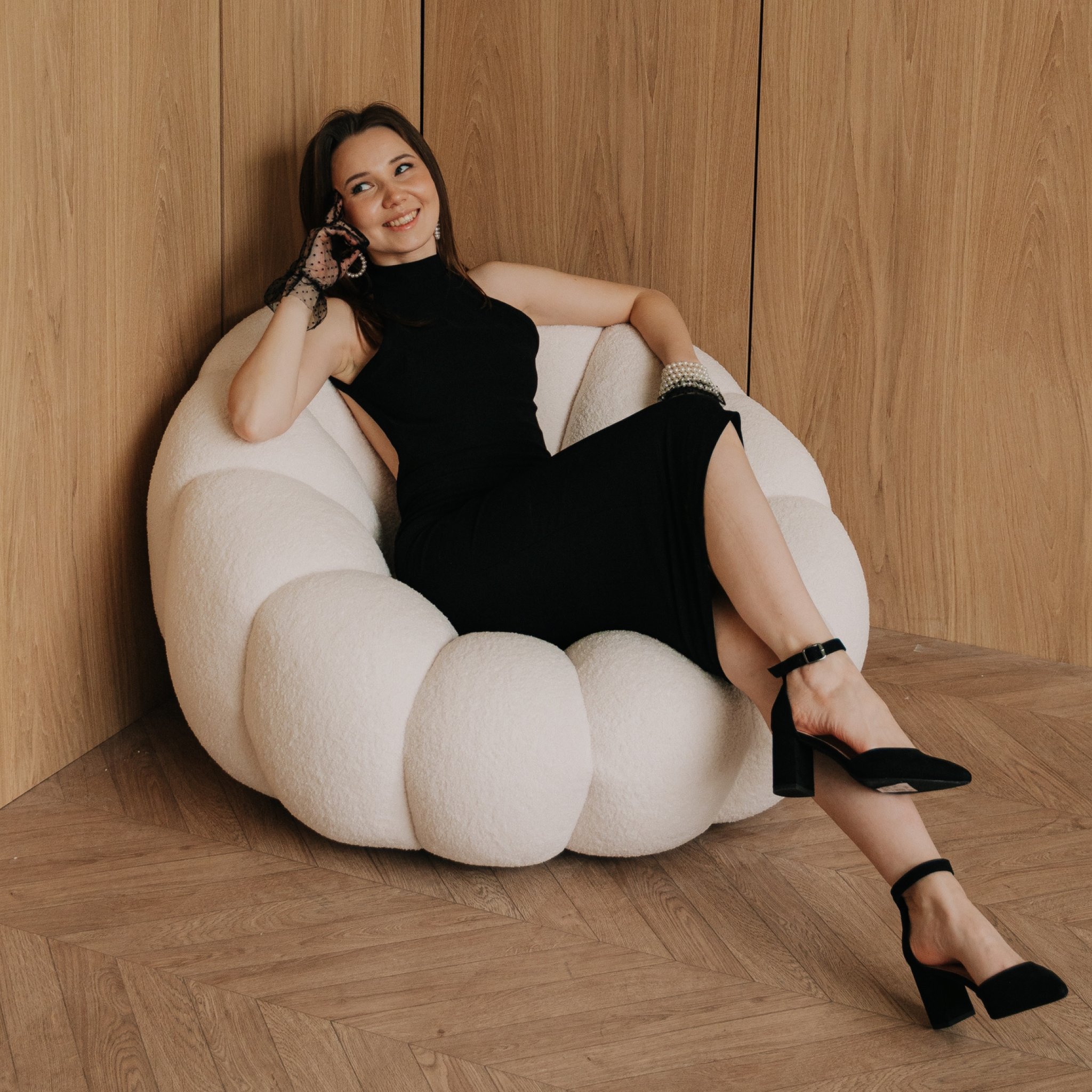
I’d wanted to be a designer since childhood — I even traveled to Moscow to apply. But when I saw the annual tuition fee — it was far beyond what my parents could afford — I put the dream aside.
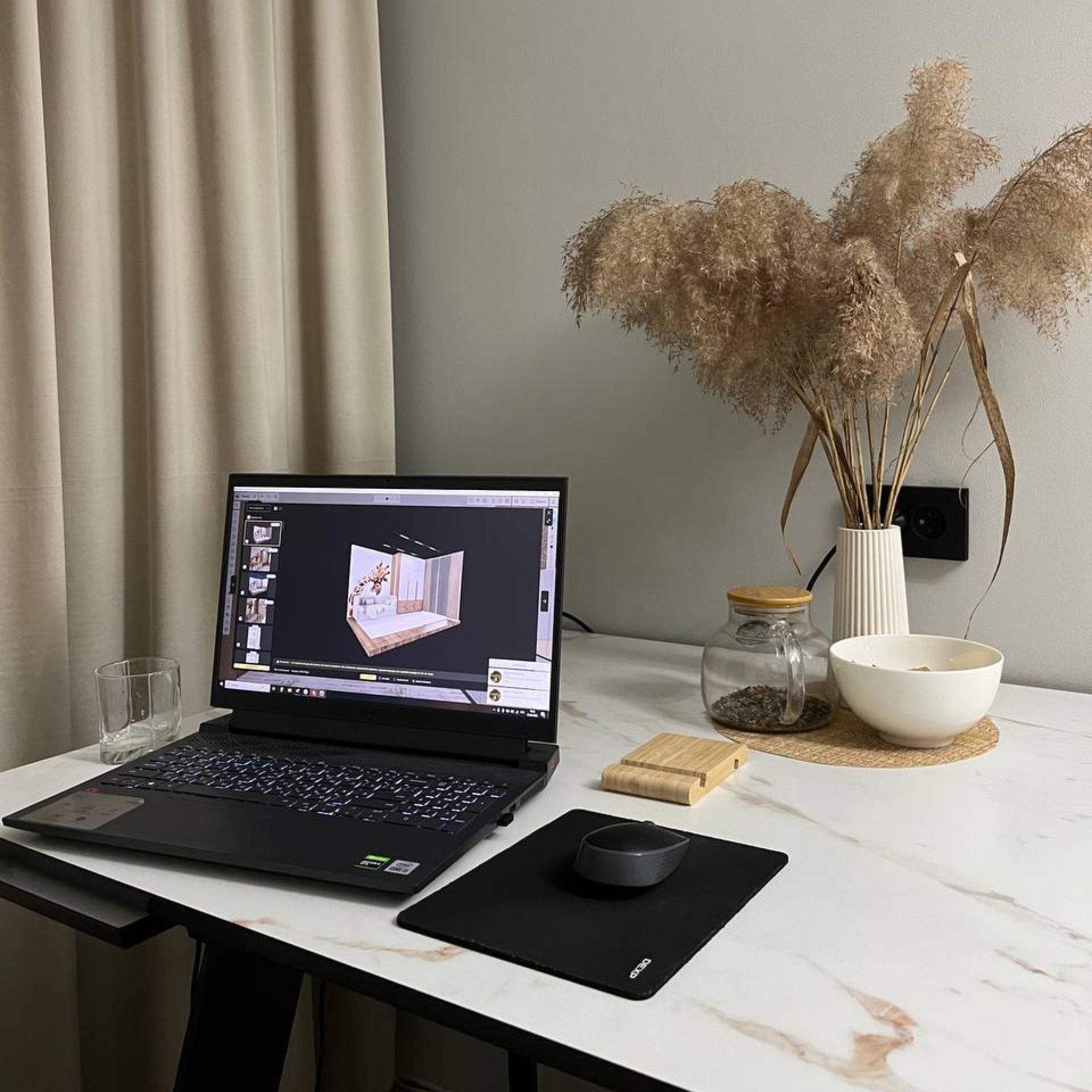
Then I started renovating my own room. I needed an accurate, functional layout for furniture, outlets, and visualizations. I tried to hire a designer, but nobody wanted to take on just one room, and those who did charged an amount that felt too high for me. So I decided to do the visuals myself in some free program — I don’t even remember the name now, but I still have the photo. The software wasn’t great, but I learned something.
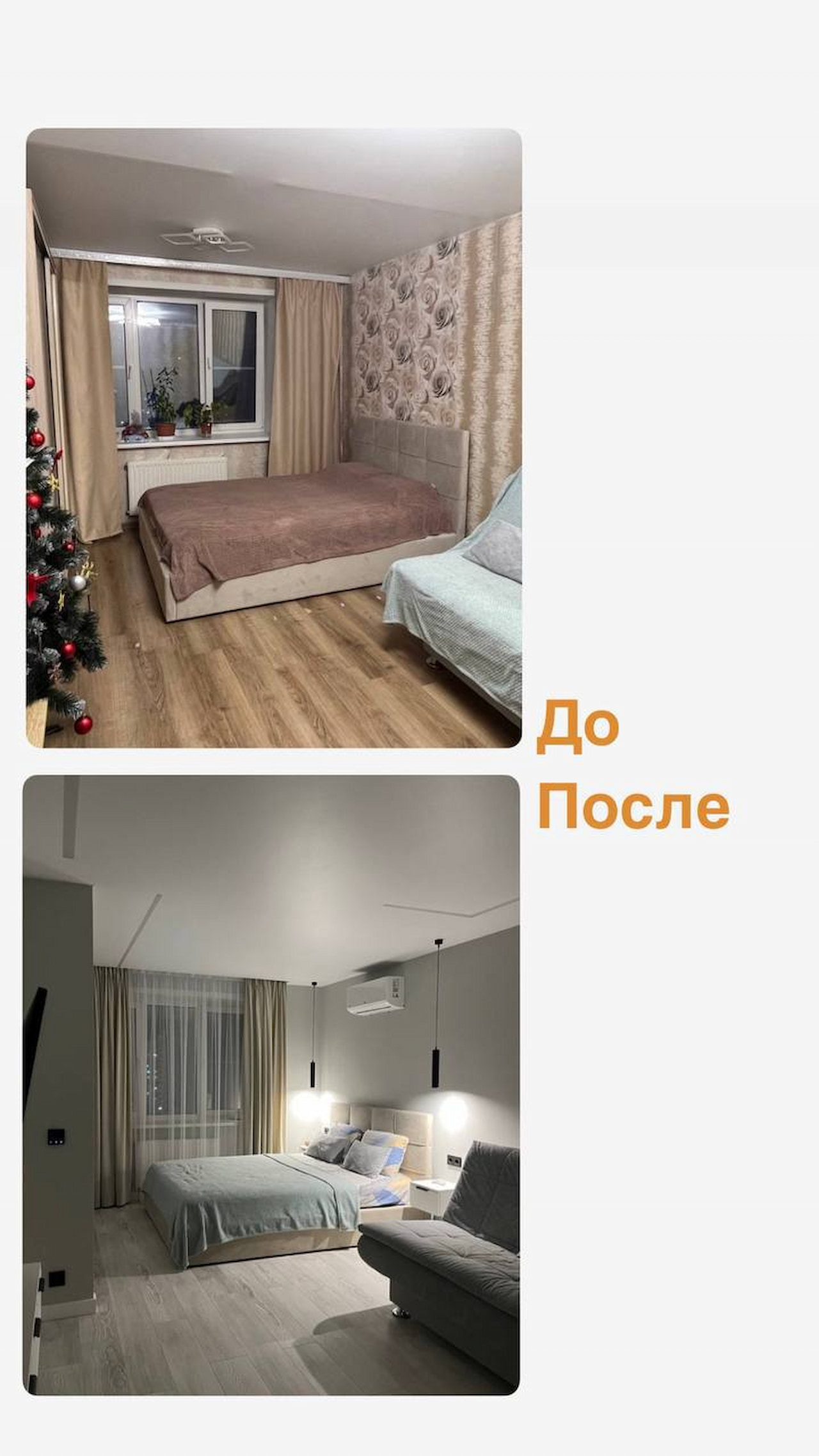
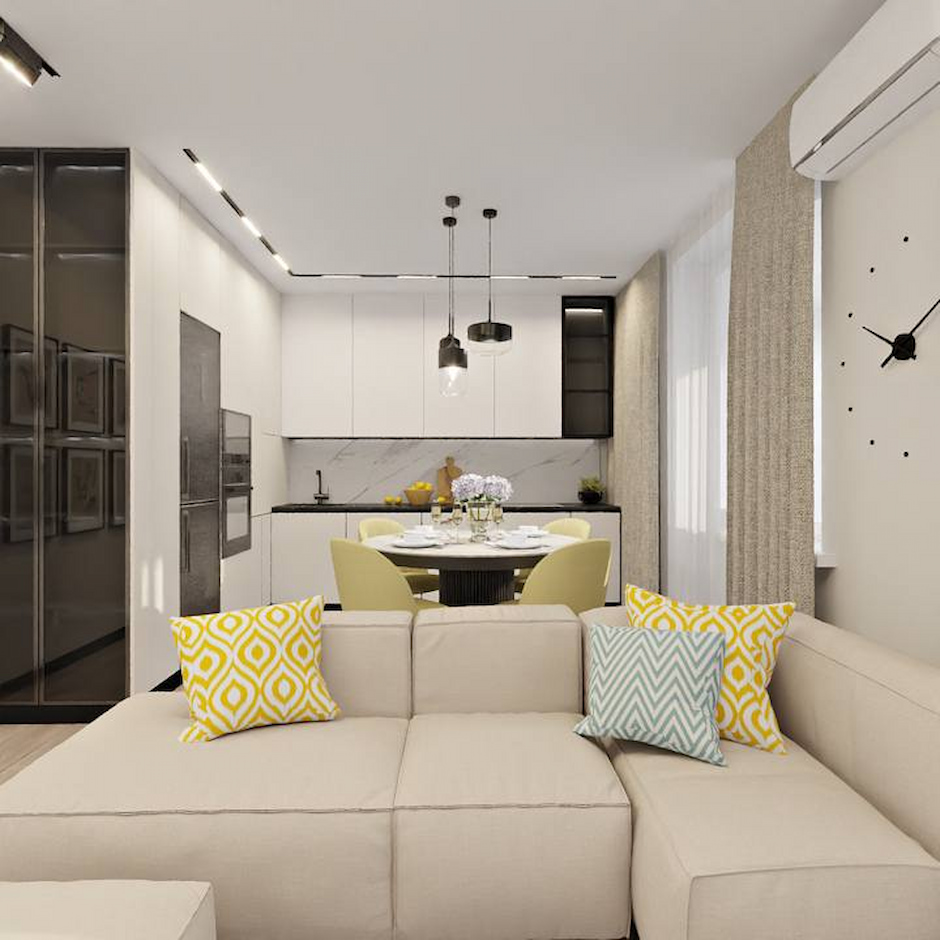
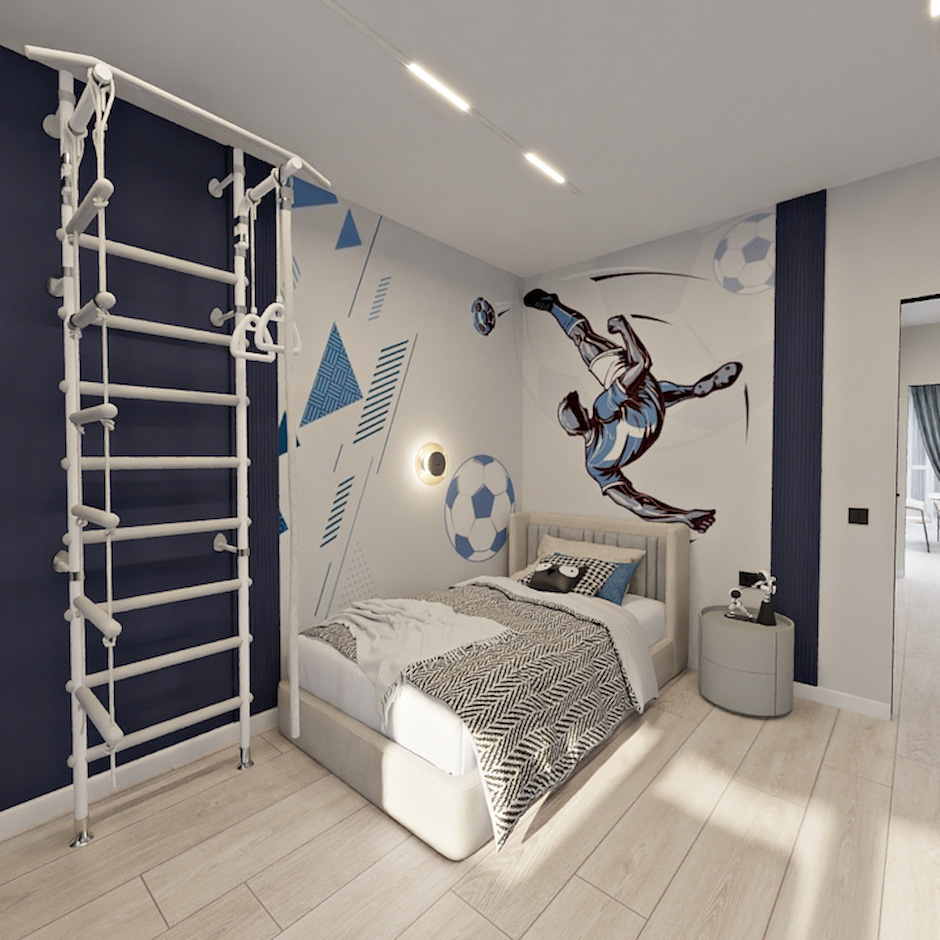
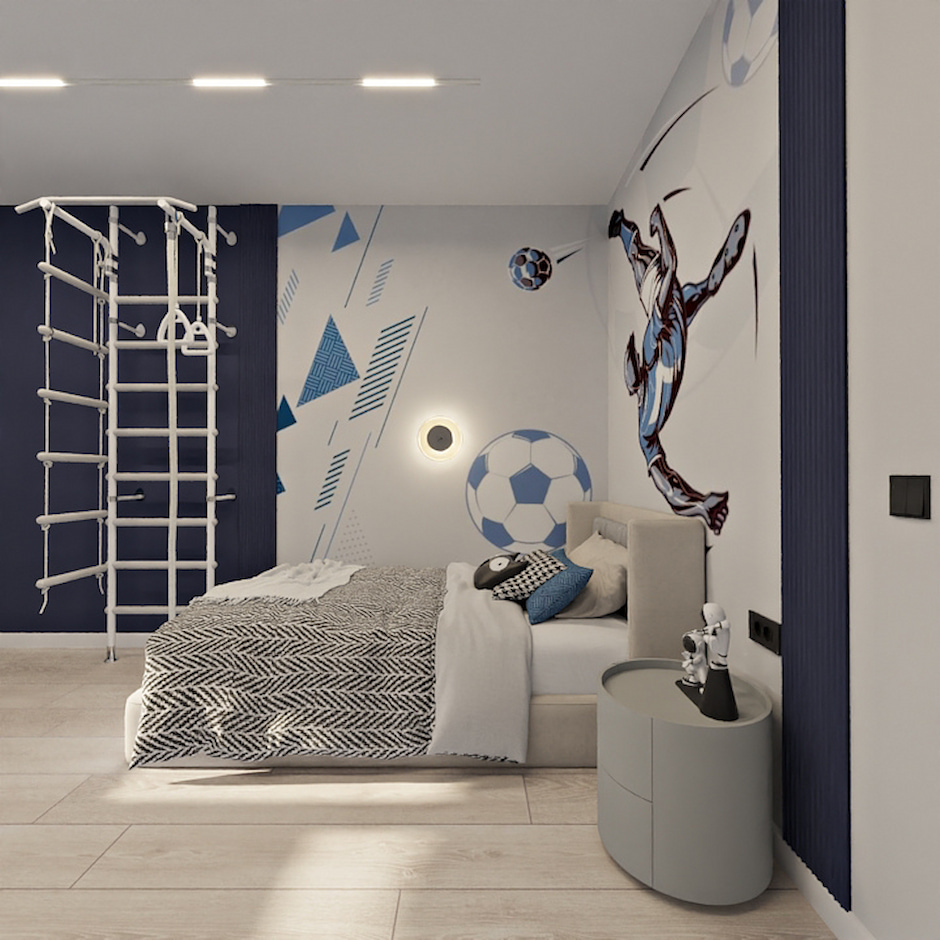
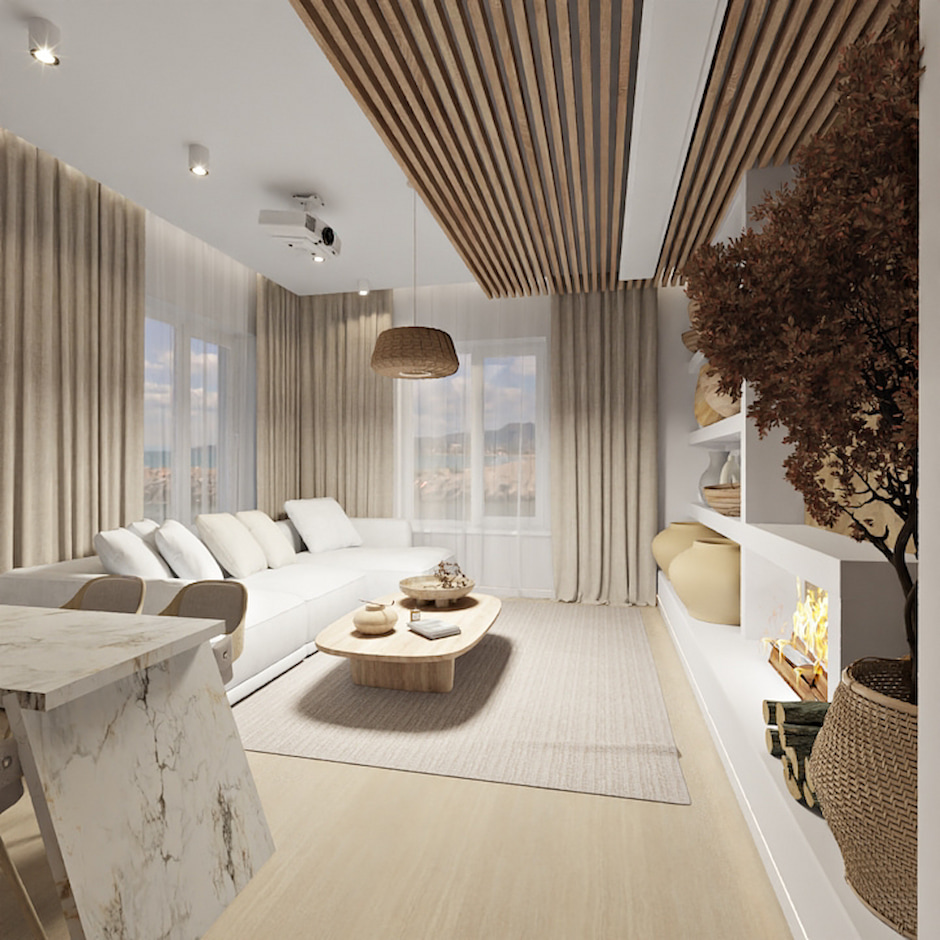
I finished the renovation and invited friends over. One of them, who like me used to work in real estate, had clients who had just bought an apartment and wanted a bedroom-living room project. That friend said, “I know a designer” — and for some reason recommended me. That’s how my first commission landed unexpectedly. I didn’t hesitate long — why not give it a try? That’s when I found Planoplan, did my first client project in it, and I still use it exclusively. Looking at that first project now is a little embarrassing, but that was the start.
After that, I posted — and still post — ads on local classifieds. Lately, the algorithms there have been weird, so fewer inquiries come from that channel. Word of mouth helps more now.
Why Planoplan and the “Expert” plan
The software turned out to be affordable and not too difficult for a beginner. Clear interface, everything straightforward — other programs scared me with their complexity. And I really like the support chat: they respond quickly and help solve problems. You don’t find that kind of feedback often, so huge respect.
I’m on the “Expert” plan — it gives me more features and room to experiment.
My favorite project
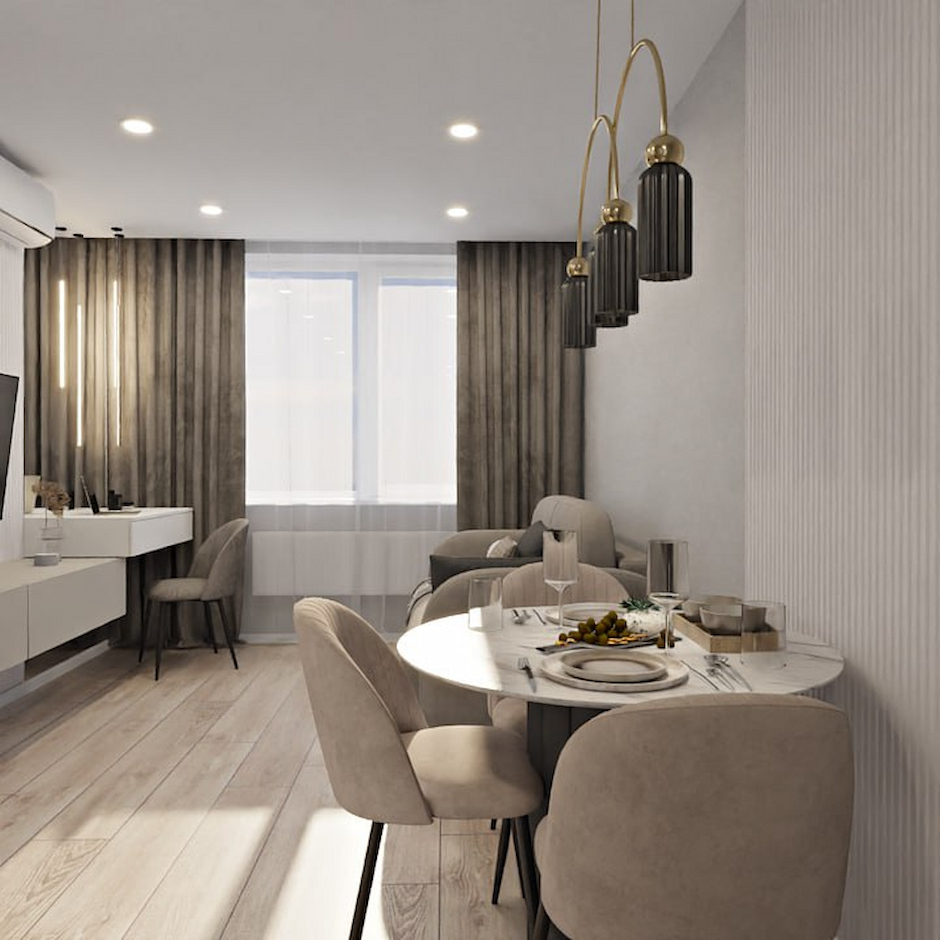
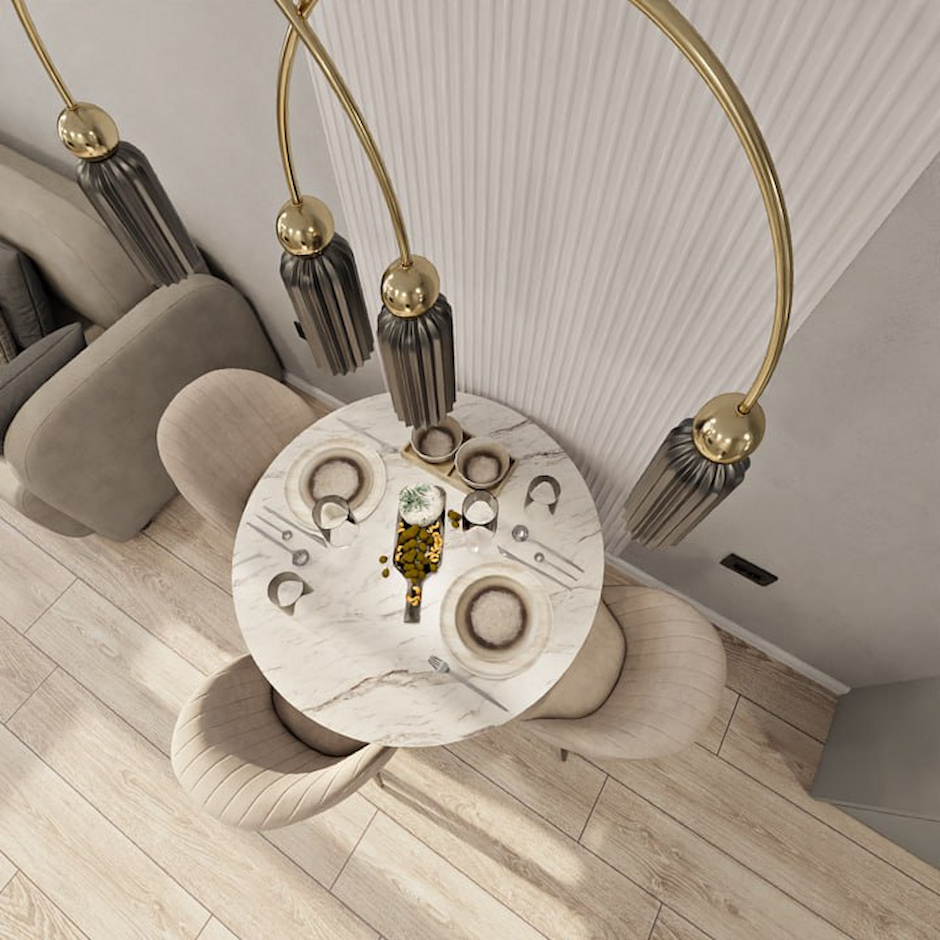
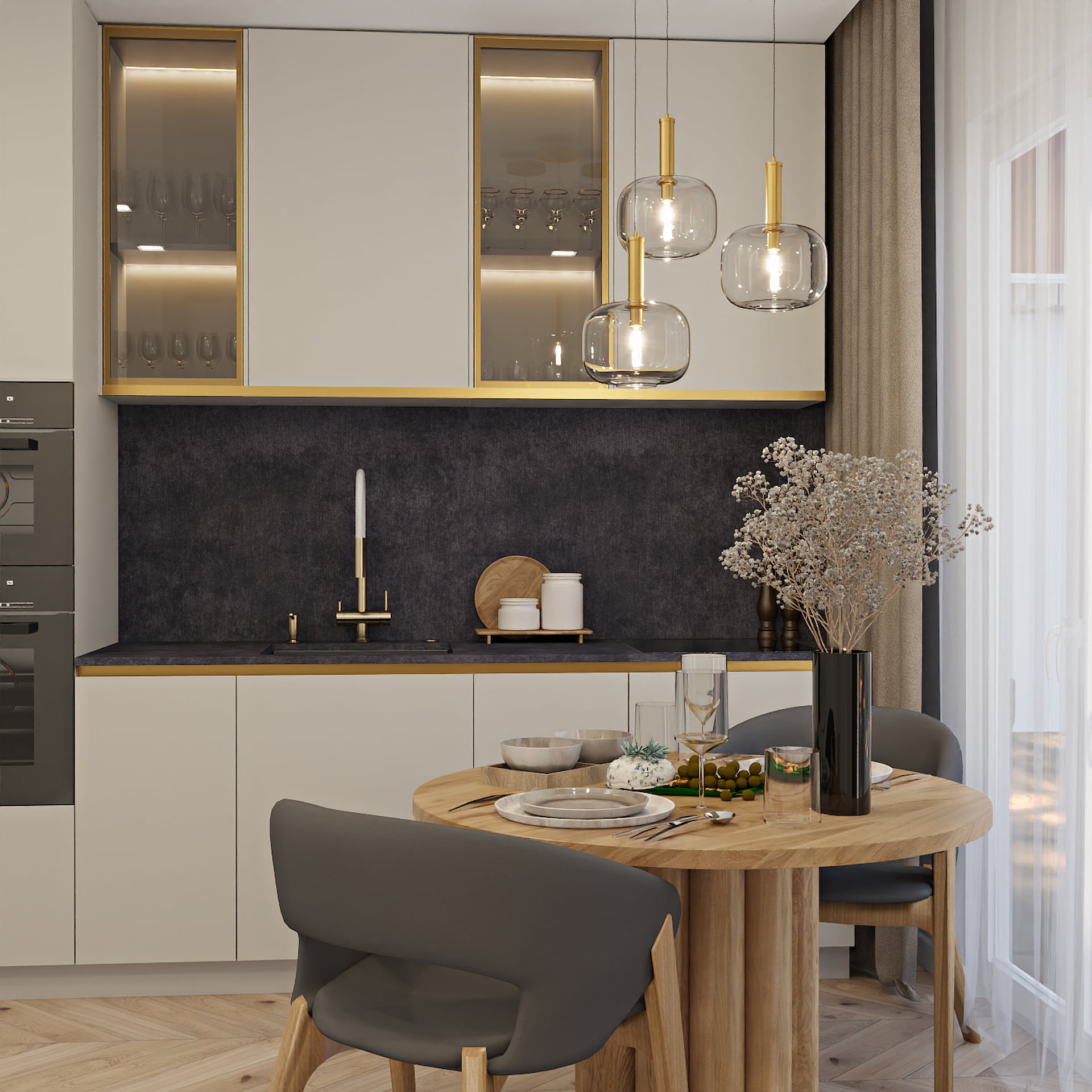
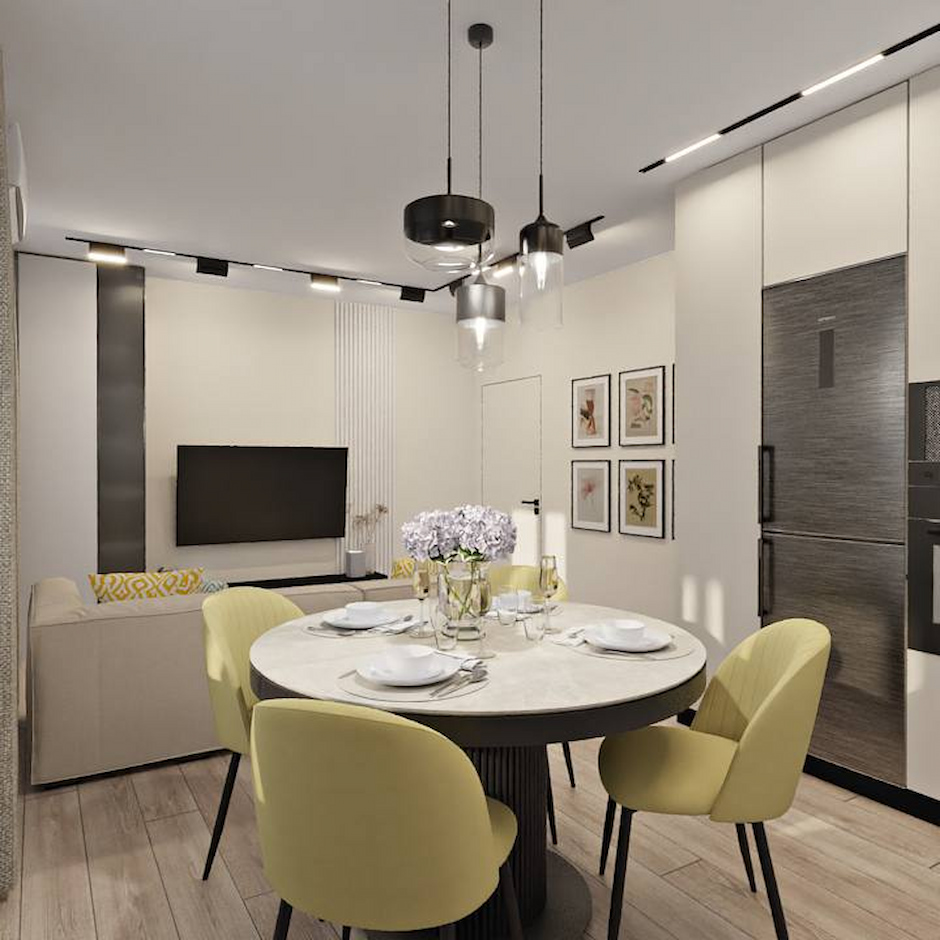
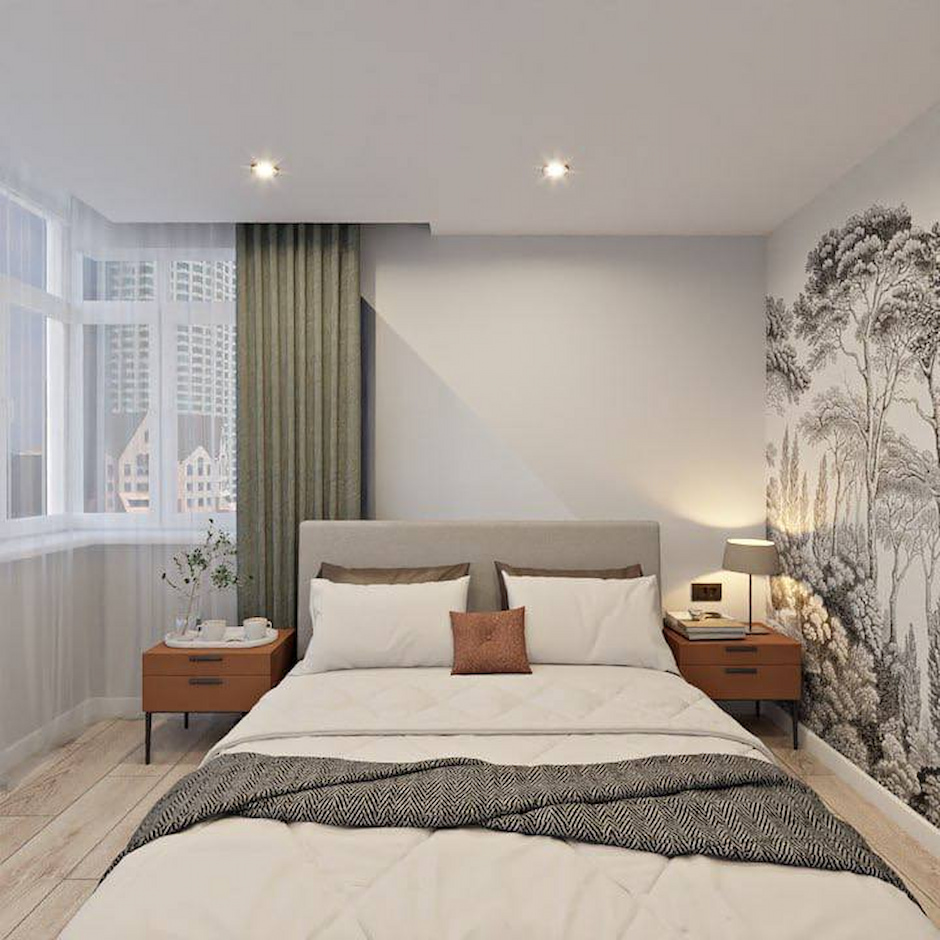
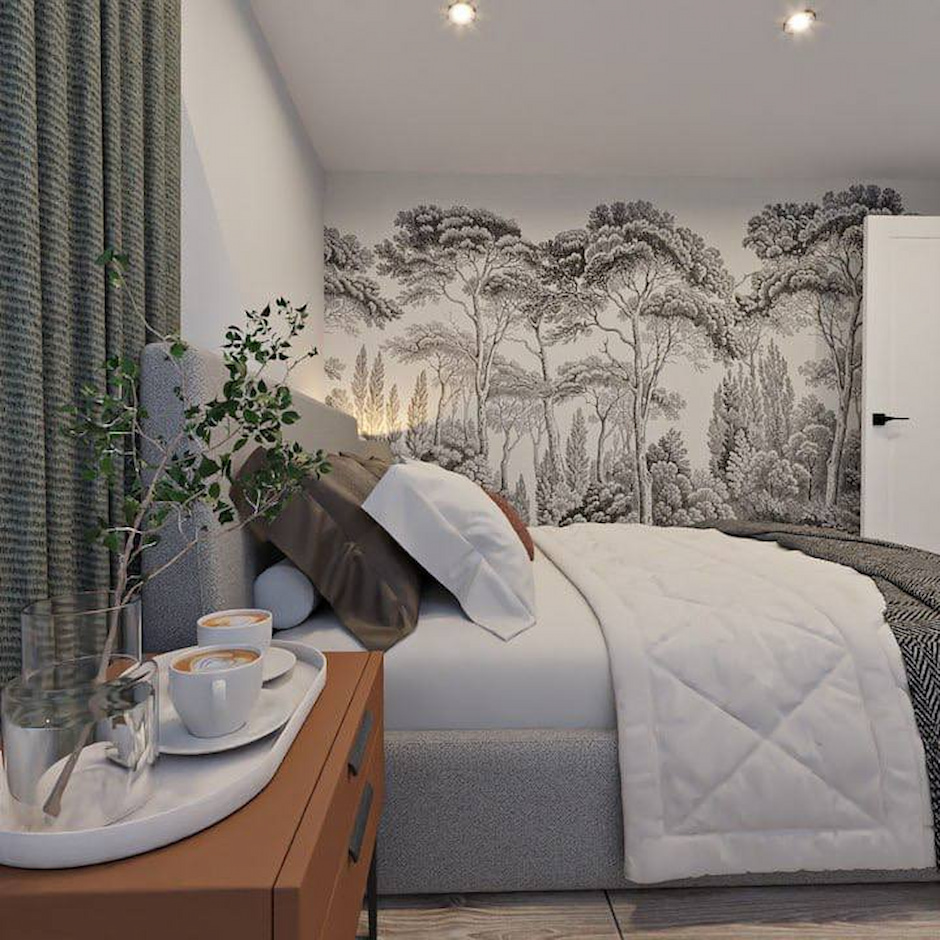
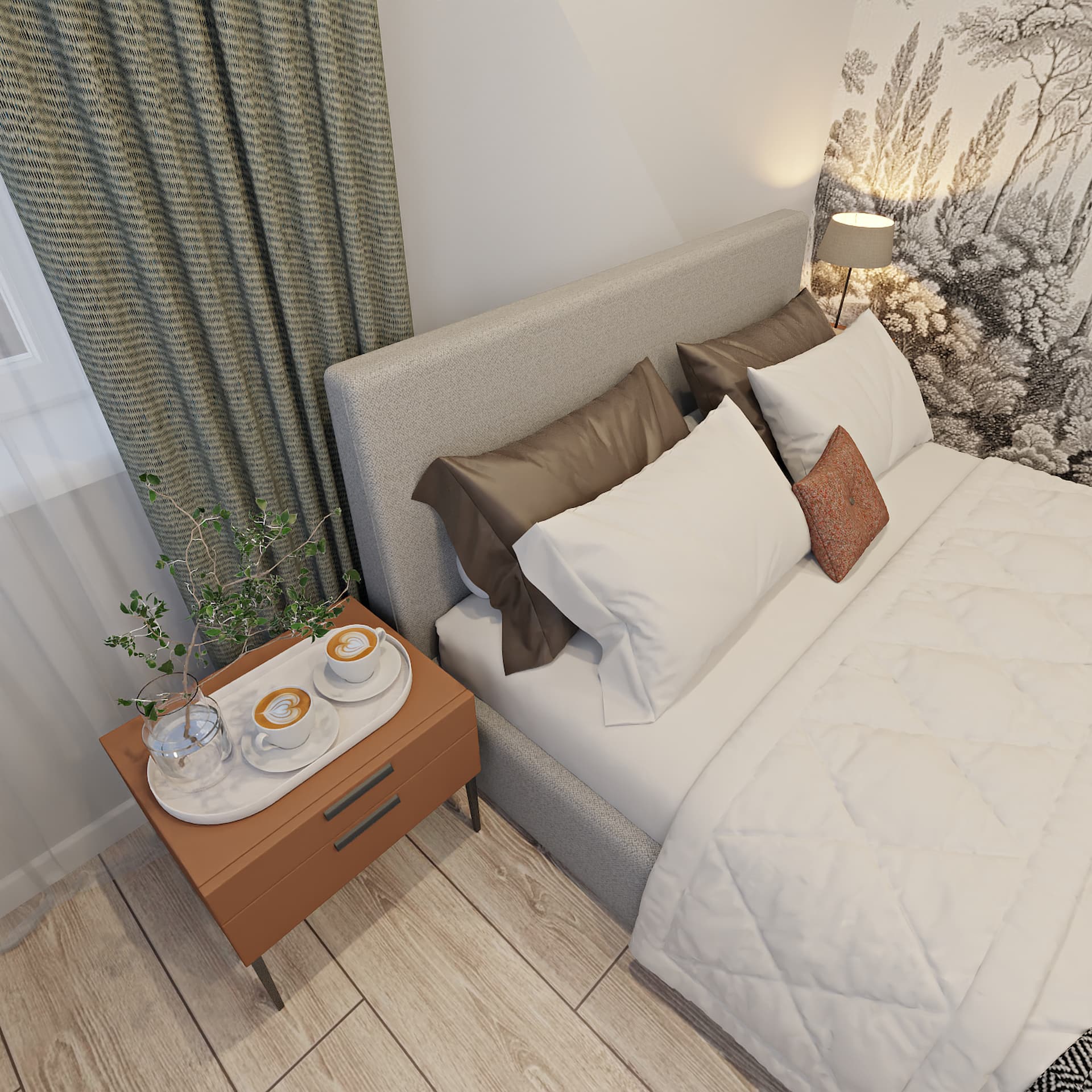
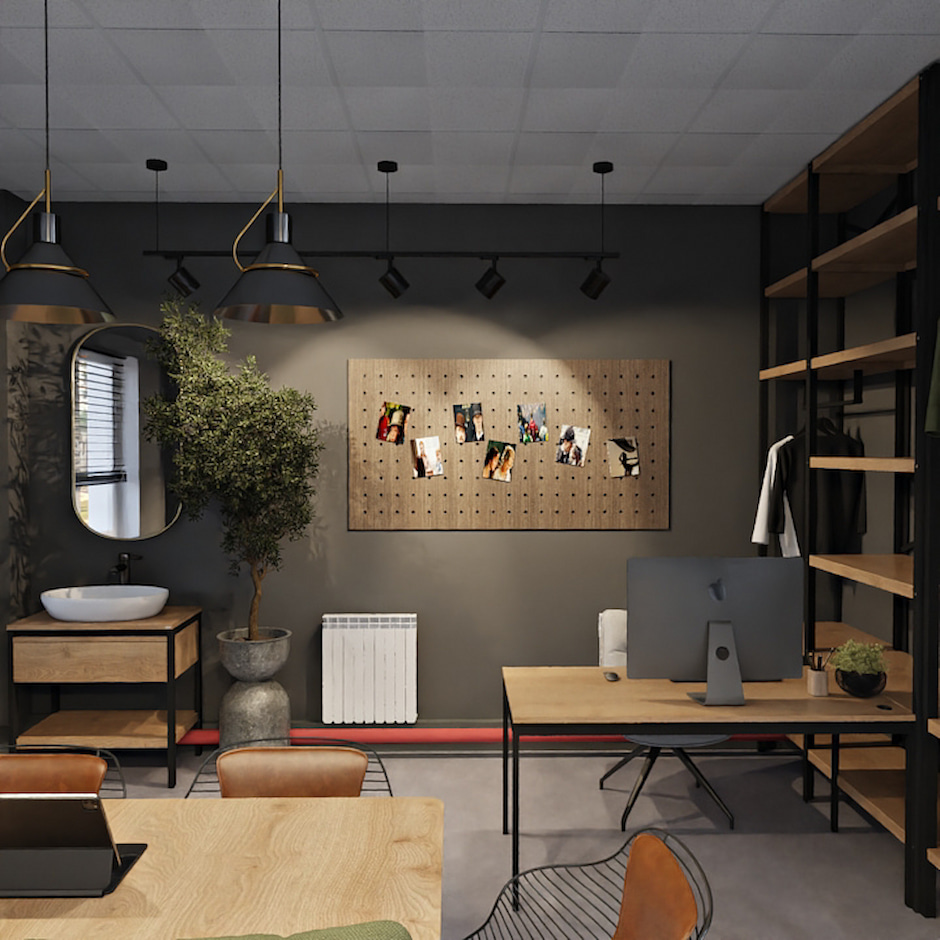
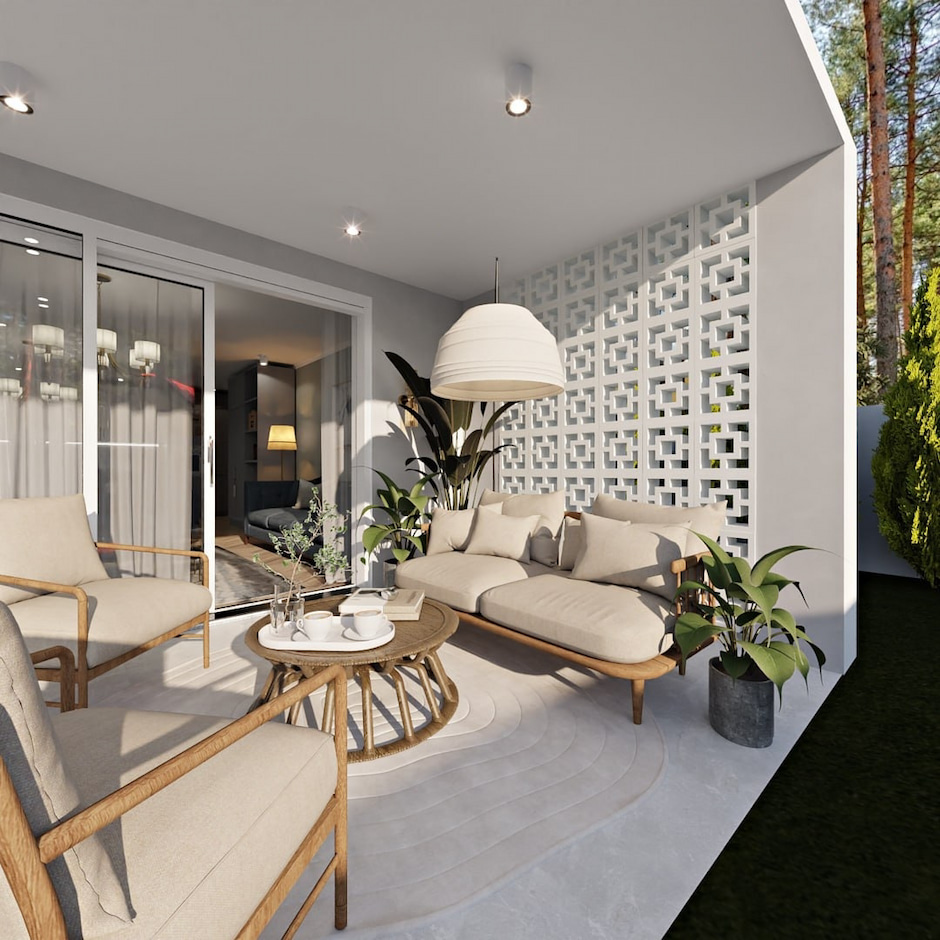
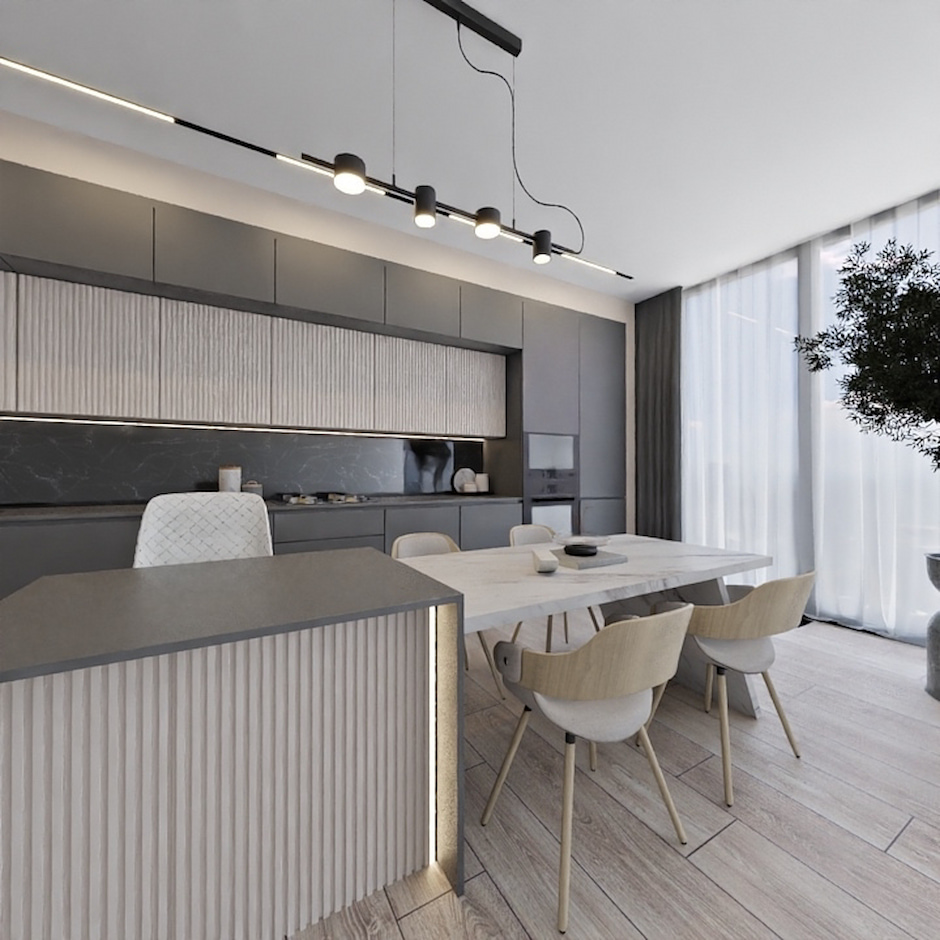
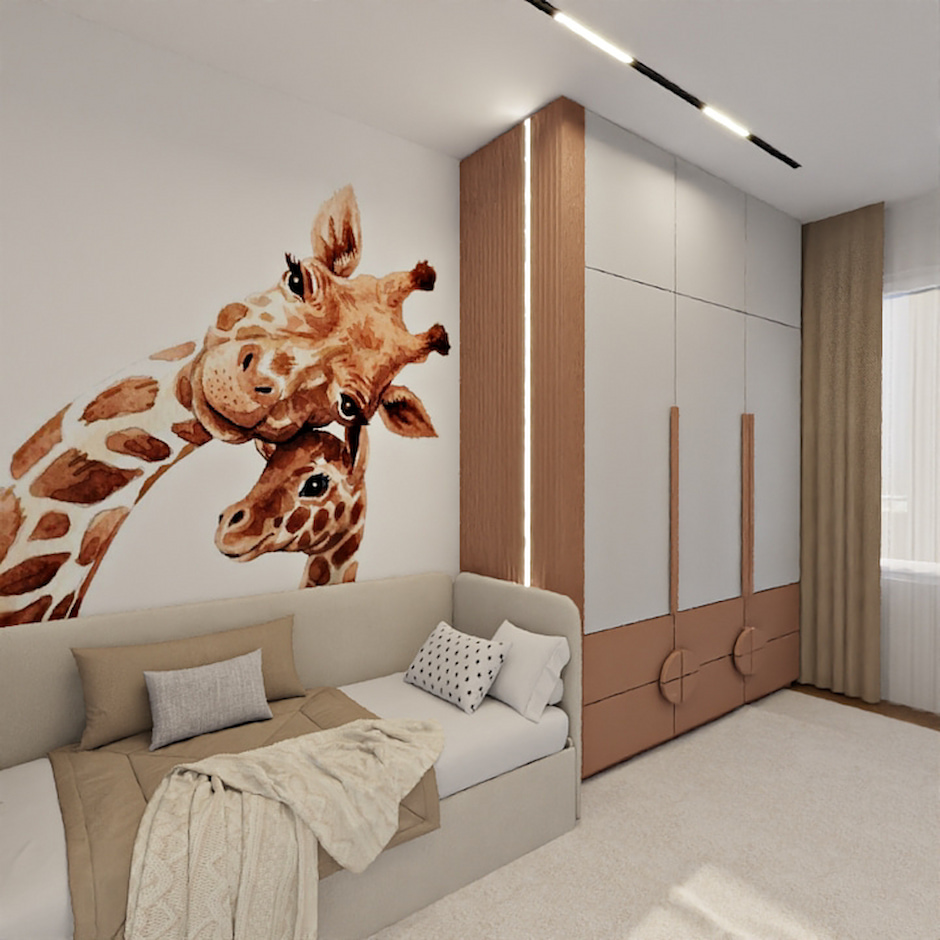
One project that really stands out was for a Planoplan competition. Here’s the link to the tour. It’s a bit old now — I wasn’t very good at the software back then — but I loved how the final export turned out. I see the flaws now, but it will always have a special place in my heart.
How I work now
I offer three packages:
- Basic visualization — includes floor plan, furniture layout with dimensions, lighting plan, surface design, renderings (key views), and wall elevations for all rooms.
- Visualization + elevations — everything in Basic, plus full wall elevations.
- Full drawing set + visualization with 360° VR tour — the complete package.
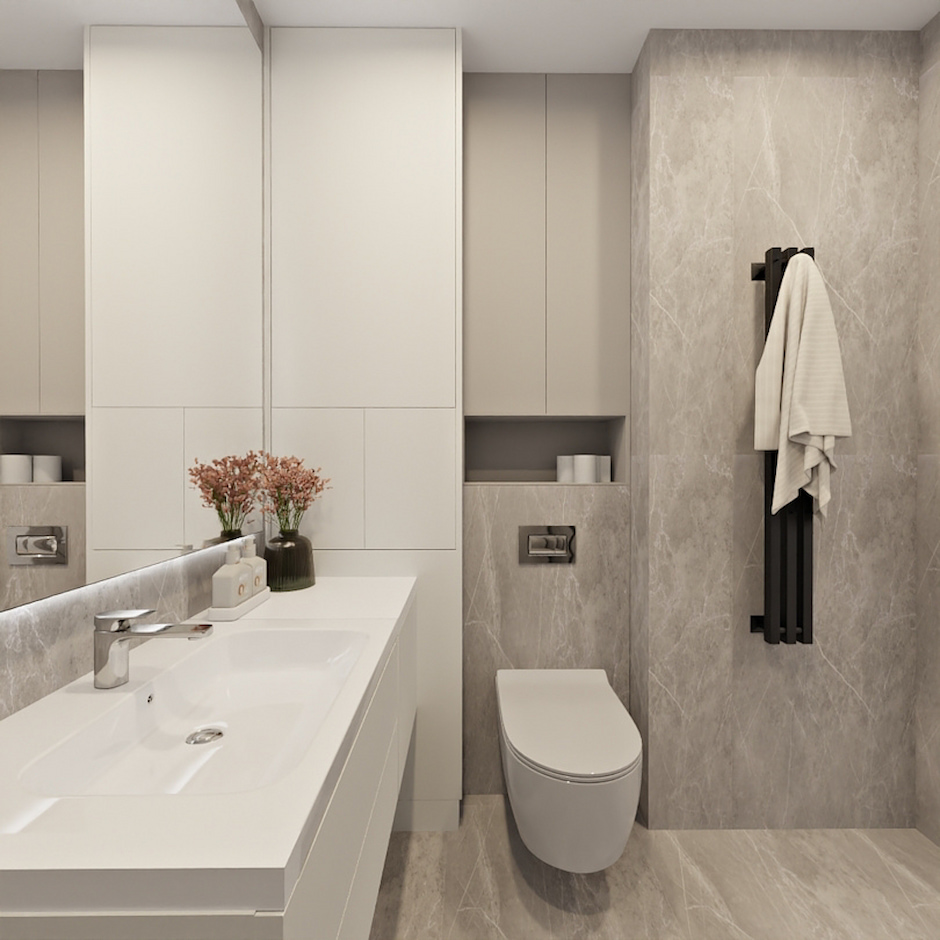
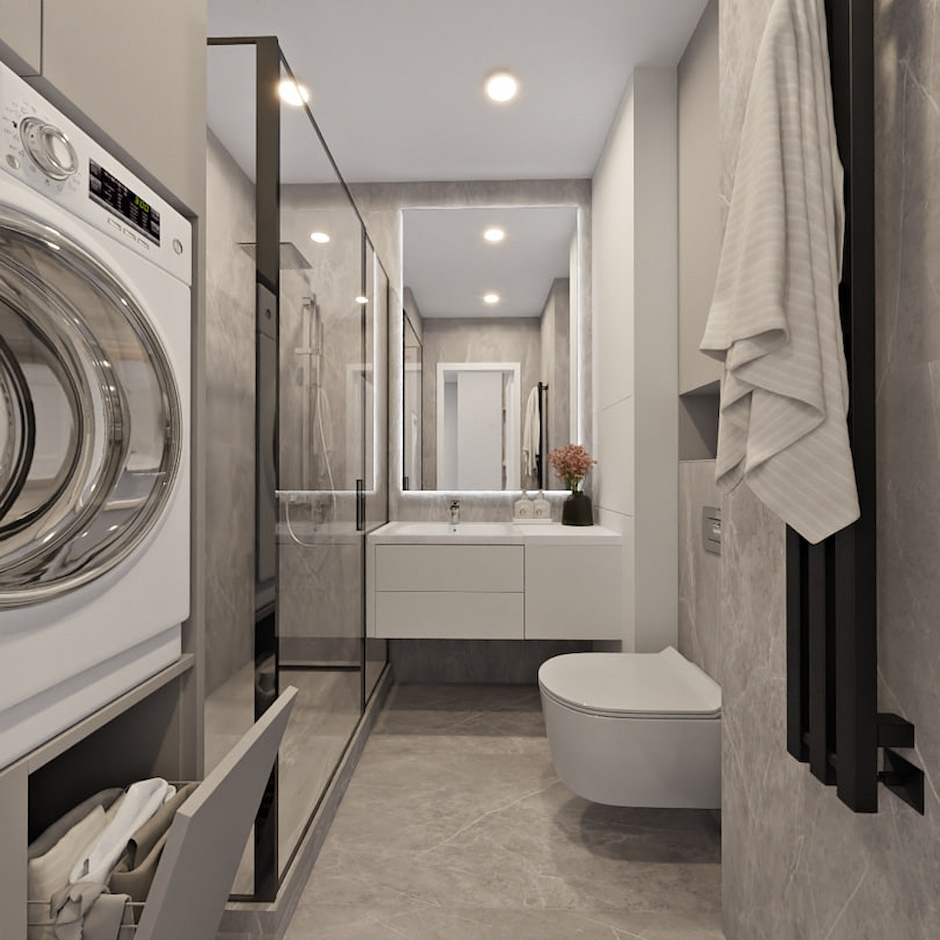
The average monthly salary in my region is modest, so most of my clients choose the first or second package. Lately, I’ve been getting tired of bathrooms. Tile selection and calculations are much more complex there. Clients often can’t decide, so we end up redoing everything countless times — not to mention shifting furniture and appliances around. So I’m planning to raise my rate for bathrooms soon.
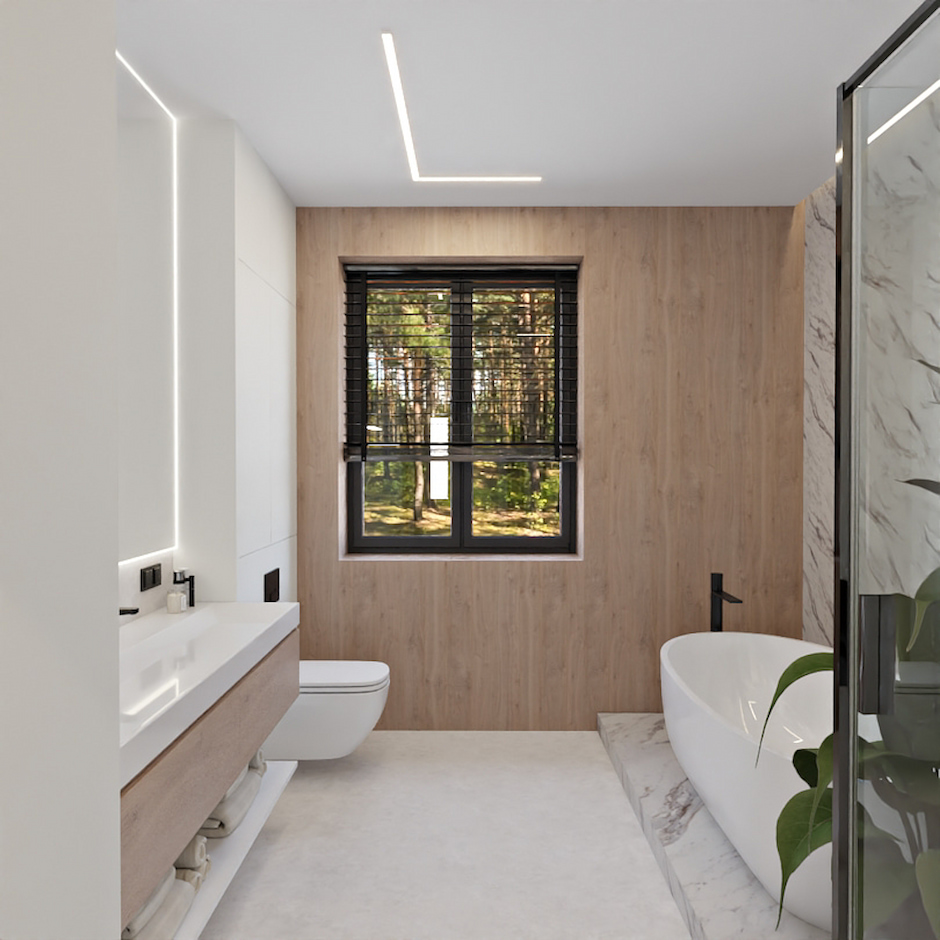
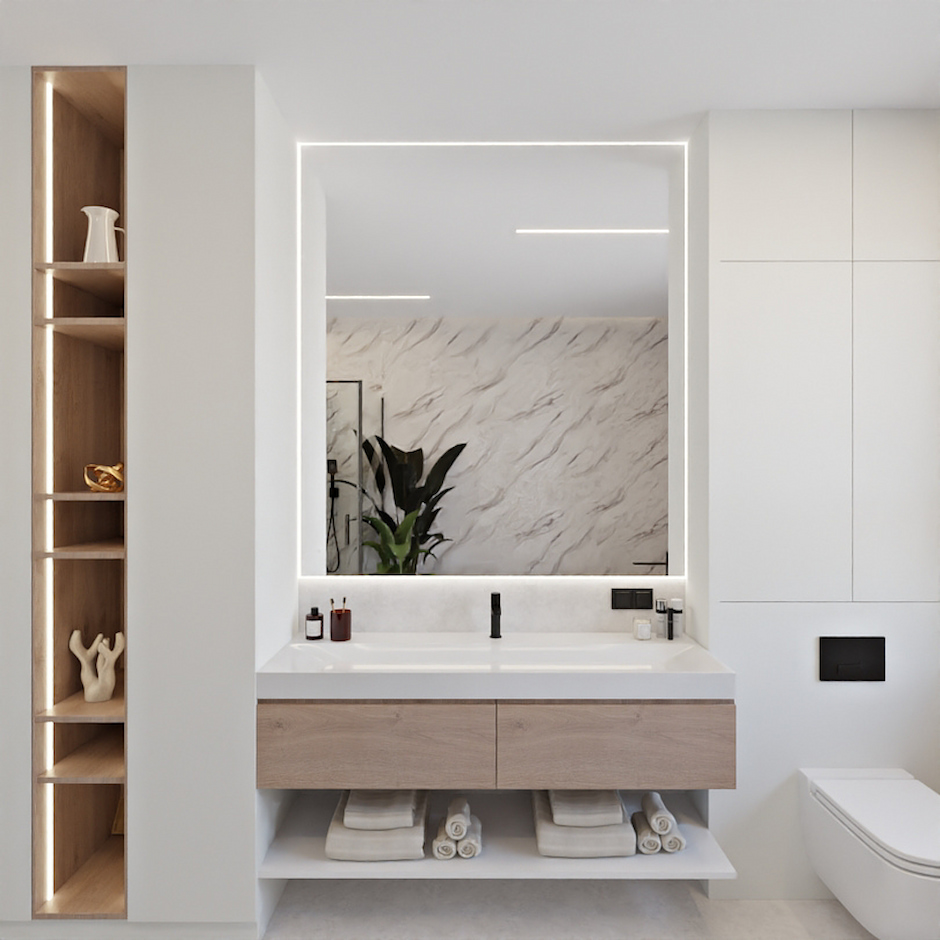
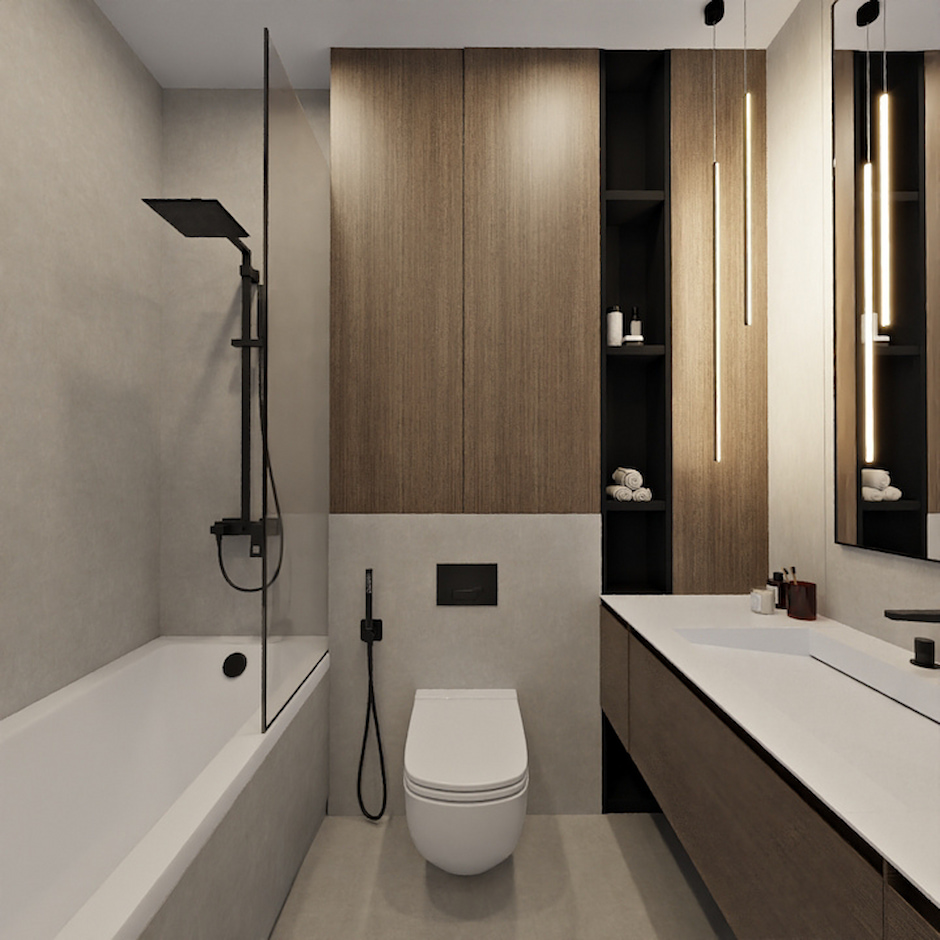
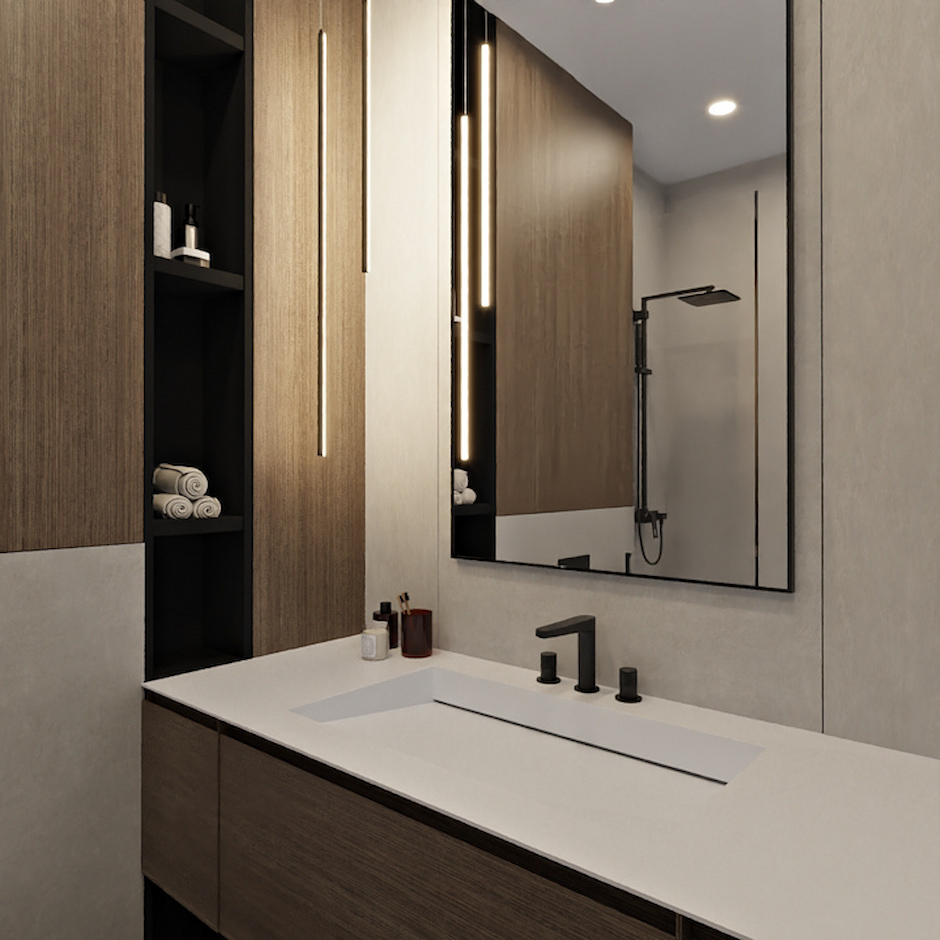
I’m only willing to work for free on experimental projects where I can gain new experience, provided the client is reasonable.
About clients and funny moments
In two years of work, clients rarely ask about my lack of experience, even though my ad says “two years of experience.” Someone once asked for a discount for a veteran — no other such requests. There was one case of excessive revisions, but I learned from that and now clearly repeat what’s included in each package to avoid misunderstandings after delivery.
Most memorable case: A client asked me to calculate the airflow from an air conditioner — whether a cabinet would block the flow to other rooms. Then he asked, “What can I do to stop my bathrobe from catching on door handles?” I’m trying to finish that project as quickly as possible now.
How I learn and what I watch
The very first thing — video tutorials from the Planoplan community. After that, there was so much information that I can’t pick just one thing. Now I’m studying at an online design school — there’s a lot of hands-on practice, and I had questions about technical details, which the school covers.
How I dealt with fear
In the beginning, I was very scared. I was afraid of making mistakes in any direction — it’s a big responsibility, especially without a formal degree. I spent a long time beating myself up for being self-taught, which is natural in a way. But what helped? I hate lying, so I honestly warned clients upfront: “This is my first experience, don’t expect anything too grand.” It felt like a relief.
Even now, I don’t fully understand what exactly helped back then. Probably support from close people and that openness.
What I’ve learned over time
That some clients should be turned down. It’s better to read the client’s psychology early — if they’re “not your person,” don’t take the job. Wasting so much energy on difficult clients means losing time and energy that could go to others.
My advice to those at the start of their journey
Focus on developing yourself first. Learn a lot. Don’t lose heart. Don’t blame yourself — praise yourself. Try new things. If you have no clients, try doing new projects as a new format of work — for yourself. Talk to other designers a lot. Don’t be shy around contractors, workers, or partners. Just keep moving forward, knowing that mistakes are inevitable — what matters is learning from them.
Lightning Round: “Okay or Cringe?” — Opinions Differ
We asked our three heroes five controversial questions about professional ethics. All three answered — and here’s the range of opinions (and that’s perfectly okay!).
– Do only renderings without implementation or follow-up?
Valeriya: Cringe
Danila: Okay for a beginner
Svetlana: Okay
– Be self‑taught (no formal design education)?
Valeriya: Cringe
Danila: Okay
Svetlana: Okay
– Outsource site measuring?
Valeriya: Okay
Danila: Okay
Svetlana: Okay
– Be the “cobbler’s child who goes barefoot” — live in a builder‑grade apartment or a space far from what you design for others?
Valeriya: Okay (everyone has different needs and values — some choose travel over aesthetic renovations)
Danila: That’s basic (okay)
Svetlana: Cringe
– Work for free at first, just for portfolio and experience?
Valeriya: Cringe
Danila: Okay
Svetlana: Okay (but there are always “yes, buts”)
Your Path Is Yours — We’re Just Here to Help
In this article, we didn’t try to distill a single perfect success formula. Look how different they all are: Valeriya does free projects for a nonprofit and learns from a mentor; Danila calmly charges below‑market rates in a small village and doesn’t feel insecure about not having a degree; Svetlana is honest with clients about her experience and keeps learning.
What unites them is this: they’re already in the profession and they’re not stopping. Not “someday after I finish courses,” not “once I get my diploma…” — but right now. And they all work in Planoplan, because the software gives you a comfortable start, fast visualization, and support when questions come up.