Interior Design Project for a Hotel in a Reconstructed Building with Turnkey Implementation
Svetlana Panova’s first major project: from freezing measurements to specification and author's supervision
- 31 march 2026
- 74
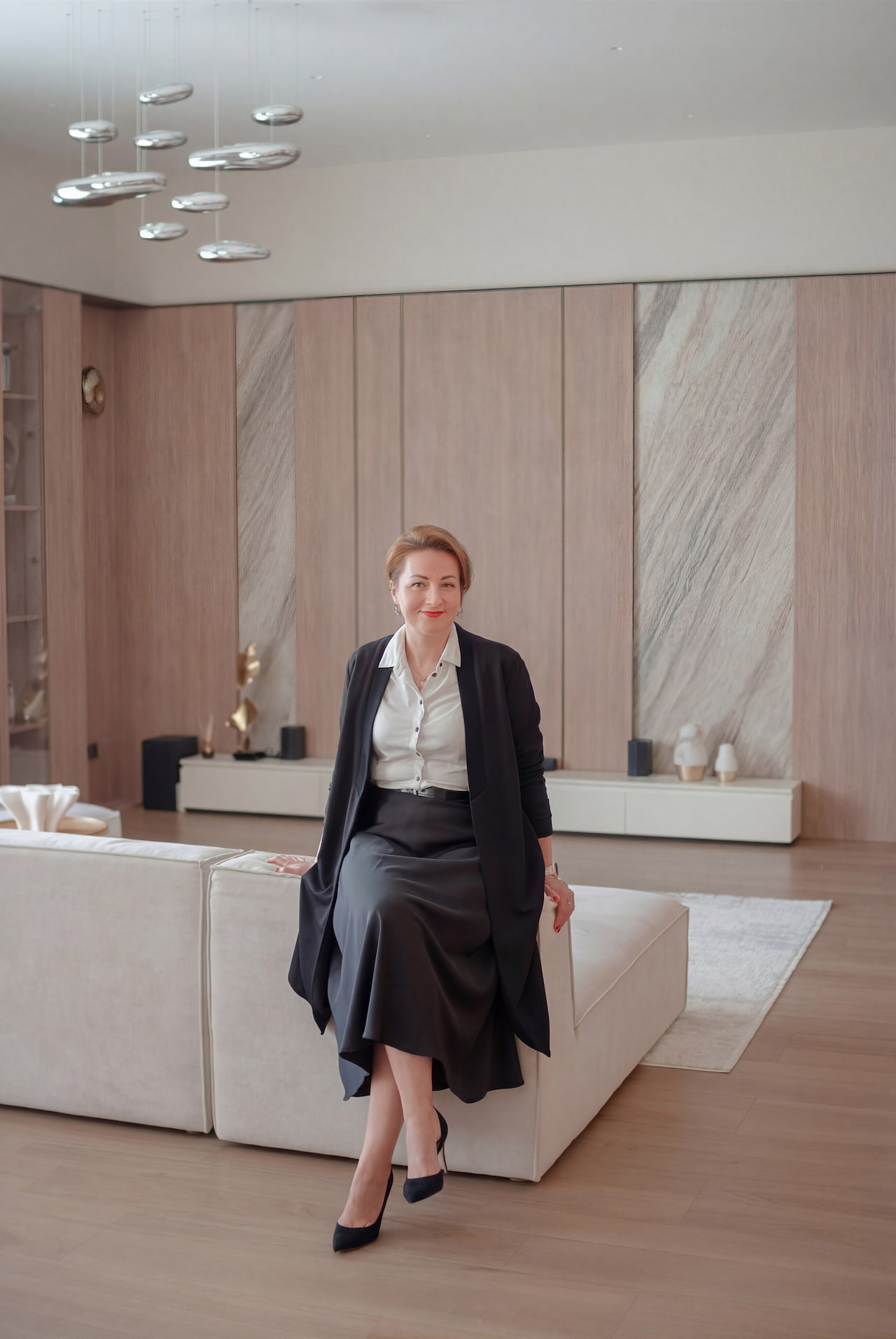
When I first started my journey as a designer, my main tool was Planoplan. I tried dozens of programs, but at the time, some were too complex for me, while others were completely unusable. Planoplan turned out to be comfortable, simple, and intuitive for me—much like my first projects.
After I completed a few relatively simple projects (apartments in multi-story buildings), my confidence grew. I started telling all my friends and acquaintances that I was now doing design projects, that I was a designer.
Since my clients appreciated how I managed projects—not abandoning them after the formal completion (handing over the documentation)—I built a certain reputation. As I understand it, not so much as a "super-designer," but as a "reliable person."
Now, with considerable professional, life, and construction-adjacent experience under my belt, I understand that for genuine clients who aren't undertaking their first project, the most important thing is to have someone they can rely on, someone they can trust, even with financial matters. Unfortunately, nowadays there are many fly-by-night operators whose main goal is to make quick, easy money and then disappear.
I think this is precisely why—and how—that particular offer came to me. I didn’t dwell on the details or the difficulties back then; I simply agreed to a meeting. There, it became clear: the potential client needed an interior design project for a hotel in a reconstructed building. Without hesitation, I said "yes." Only afterward did I start thinking.
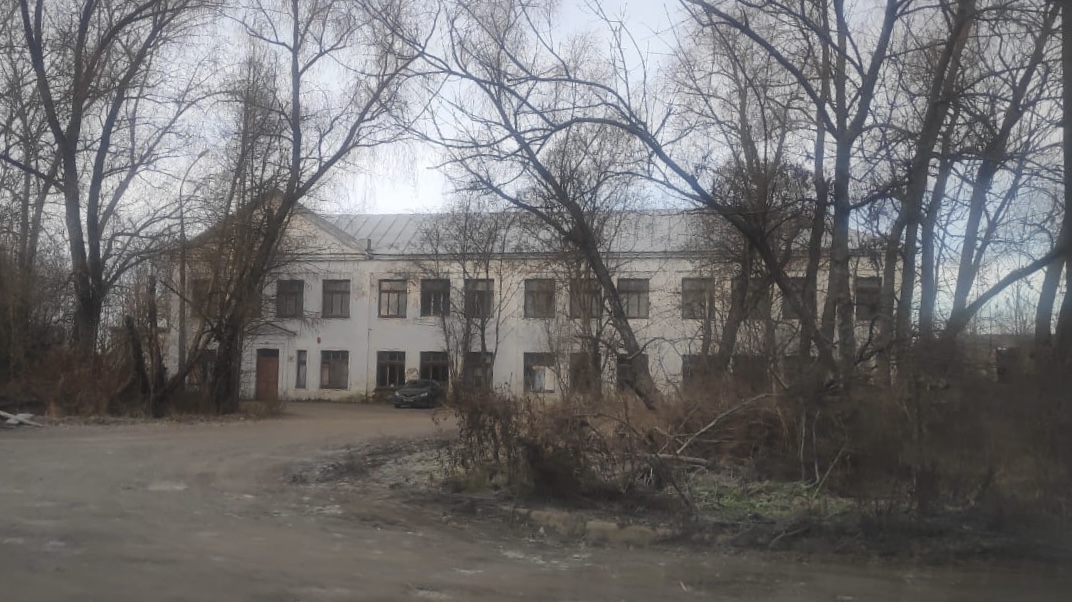
The challenge that changed everything
I was terrified. At that point, my design experience in projects like this was zero. But what I did have was ten years of experience working in a 4-star chain hotel. And that helped immensely: I had a clear idea of what, where, and how things should be arranged because the hotel business has long been strictly regulated. There are no random decisions; everything is rational and well-thought-out. In short, this project was a real challenge I set for myself!
I set out to study building codes and regulations, related sections of the project, and, most importantly, to learn how to read and understand the drawings of other specialists. And you know, it turned out not only to be useful but also incredibly interesting.
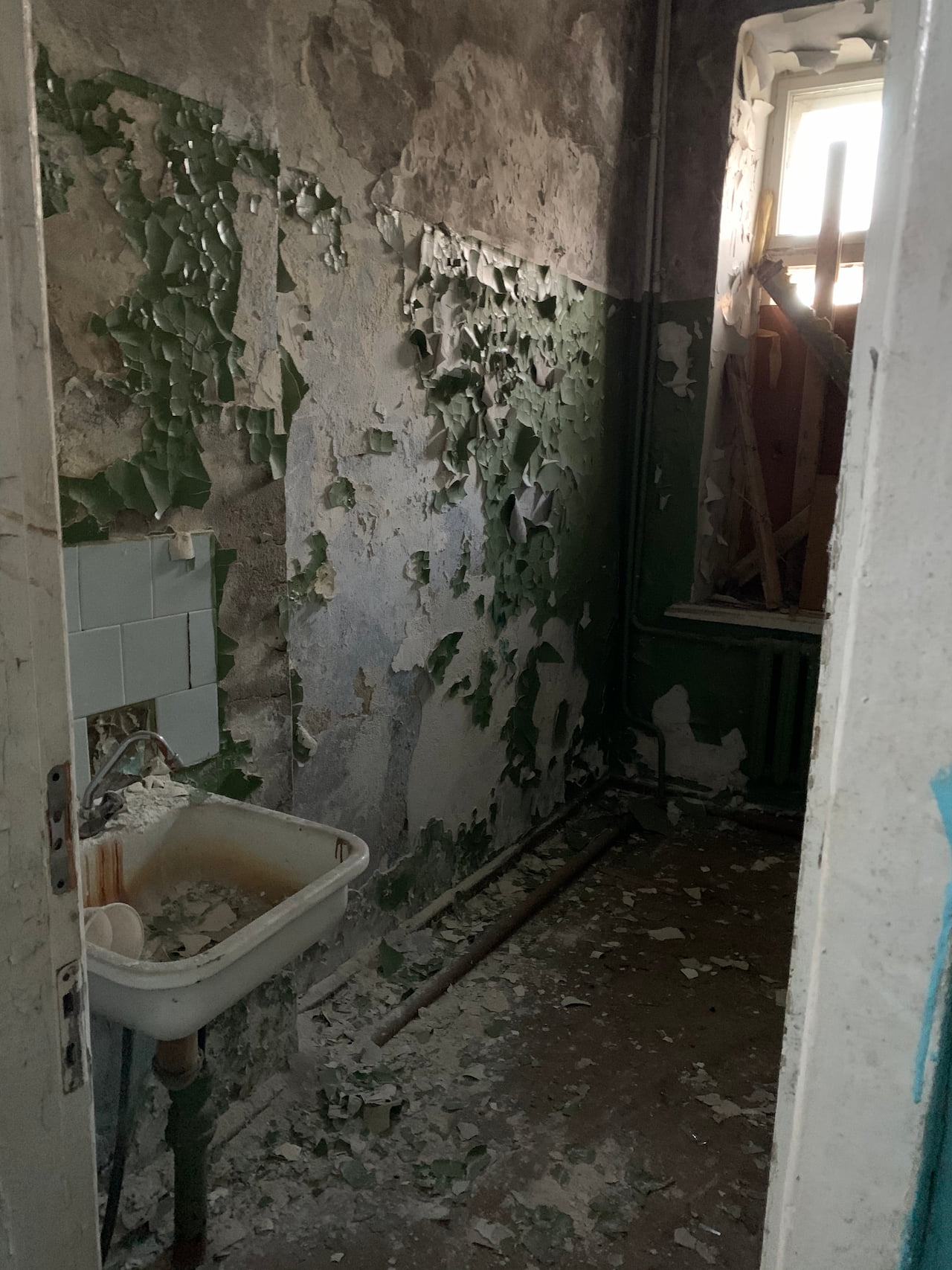
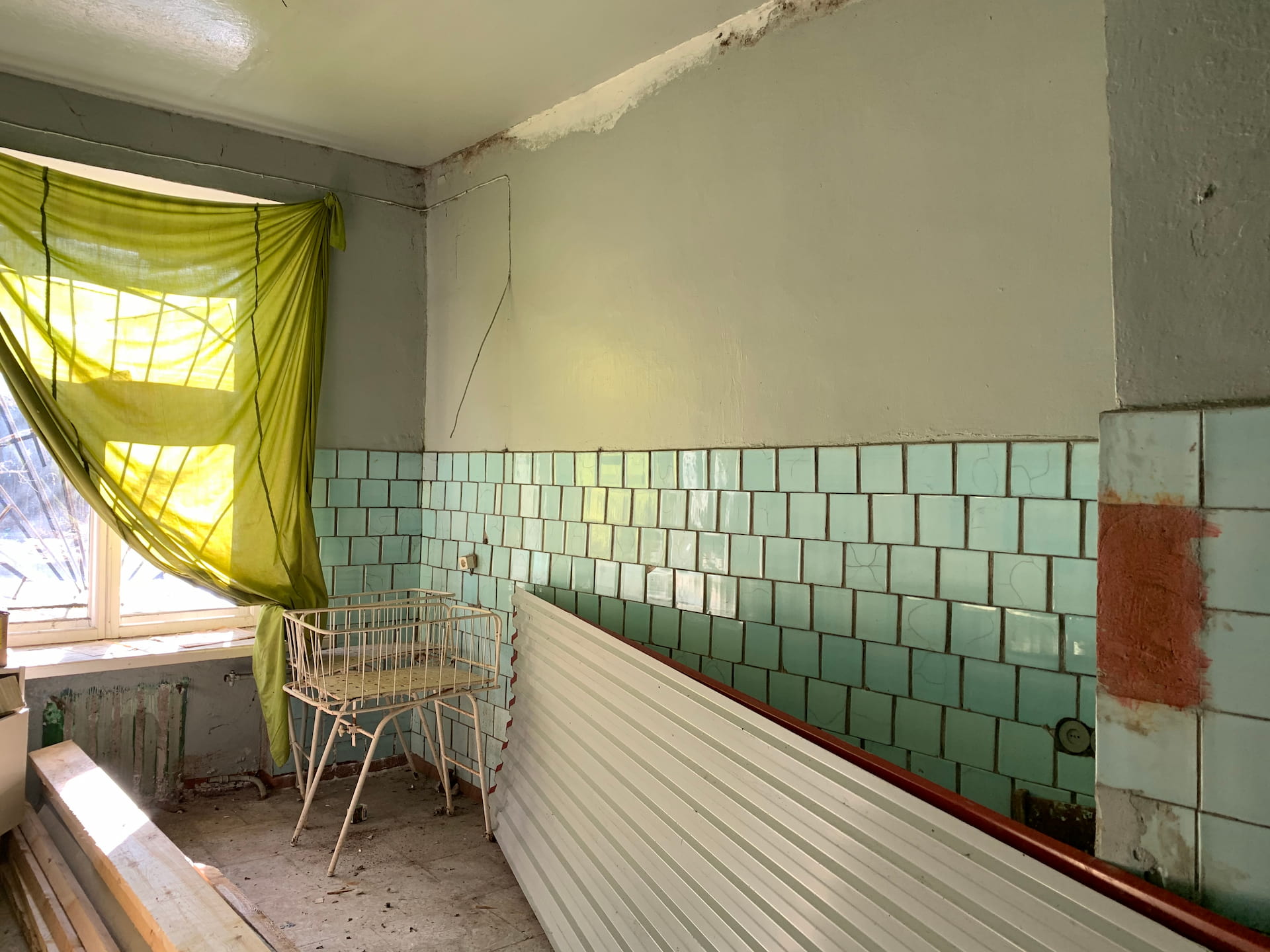
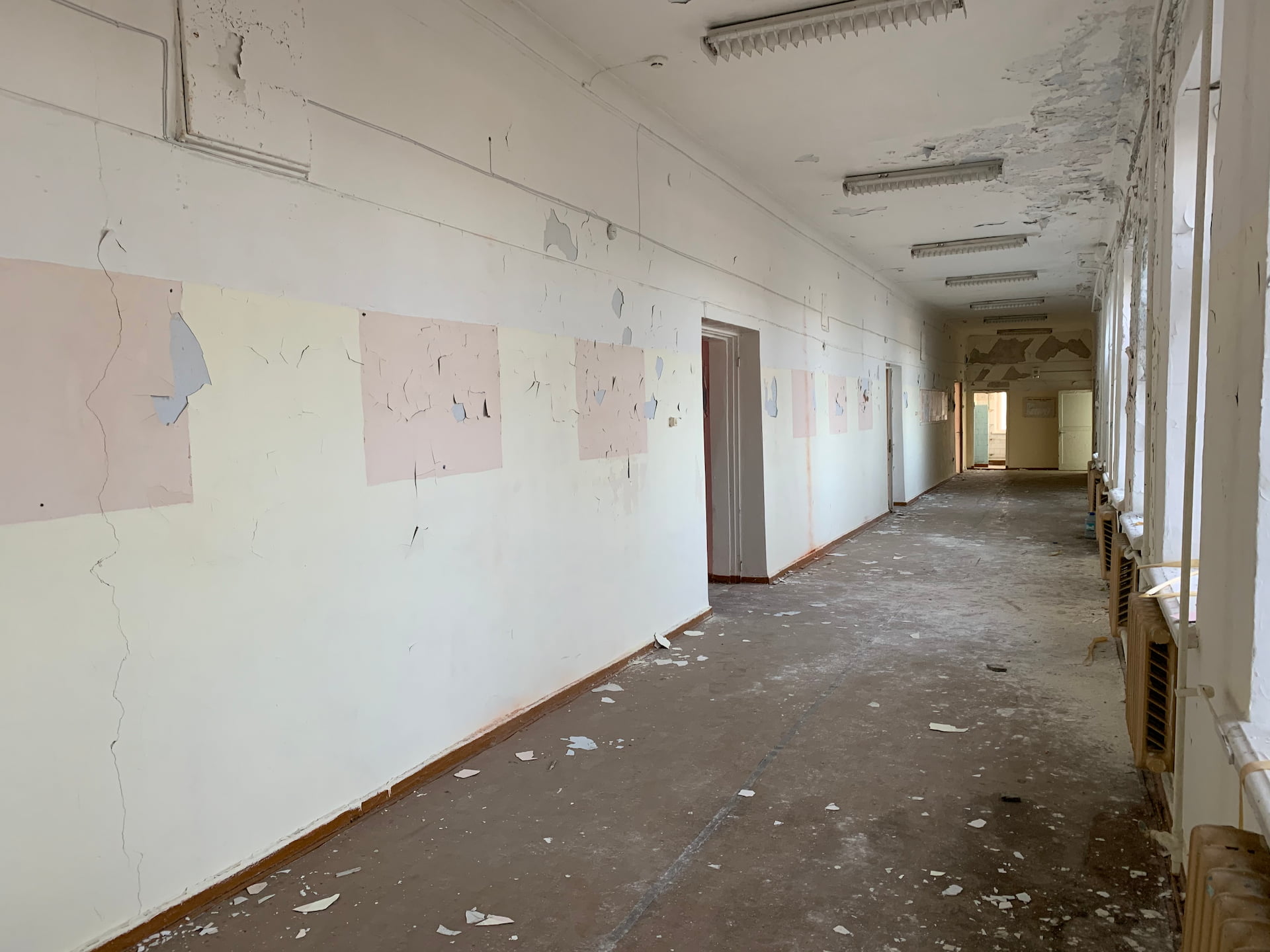
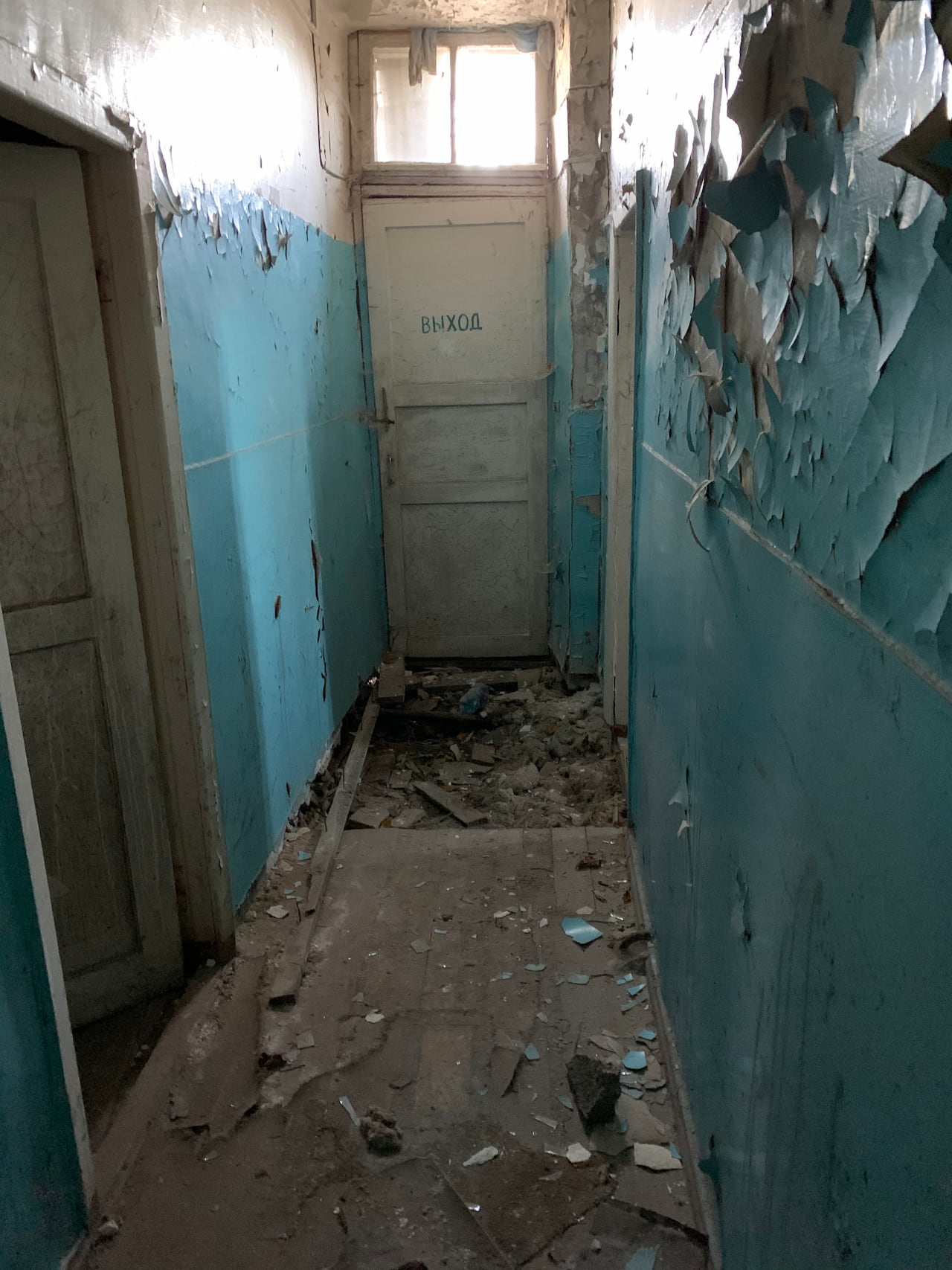
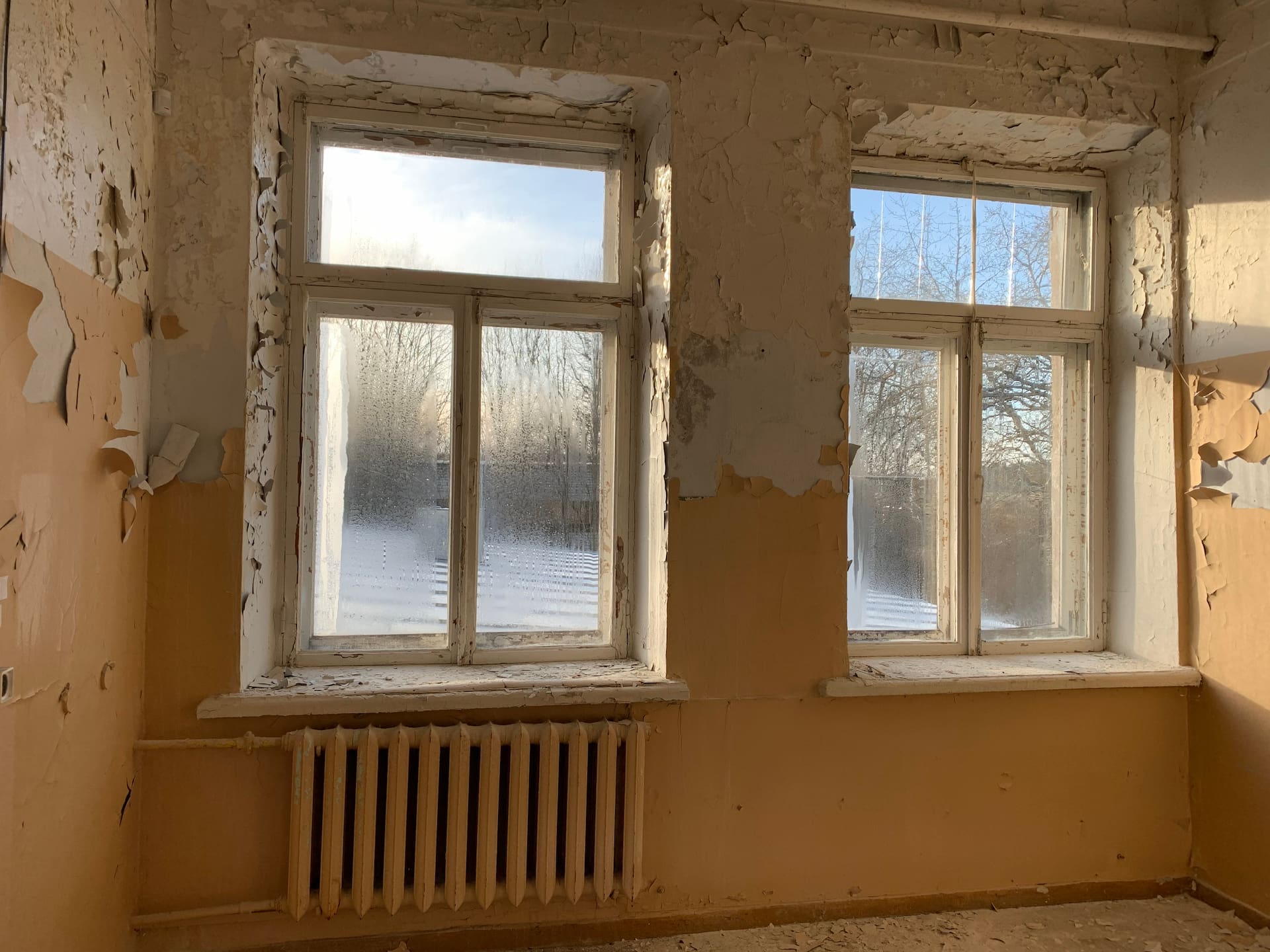
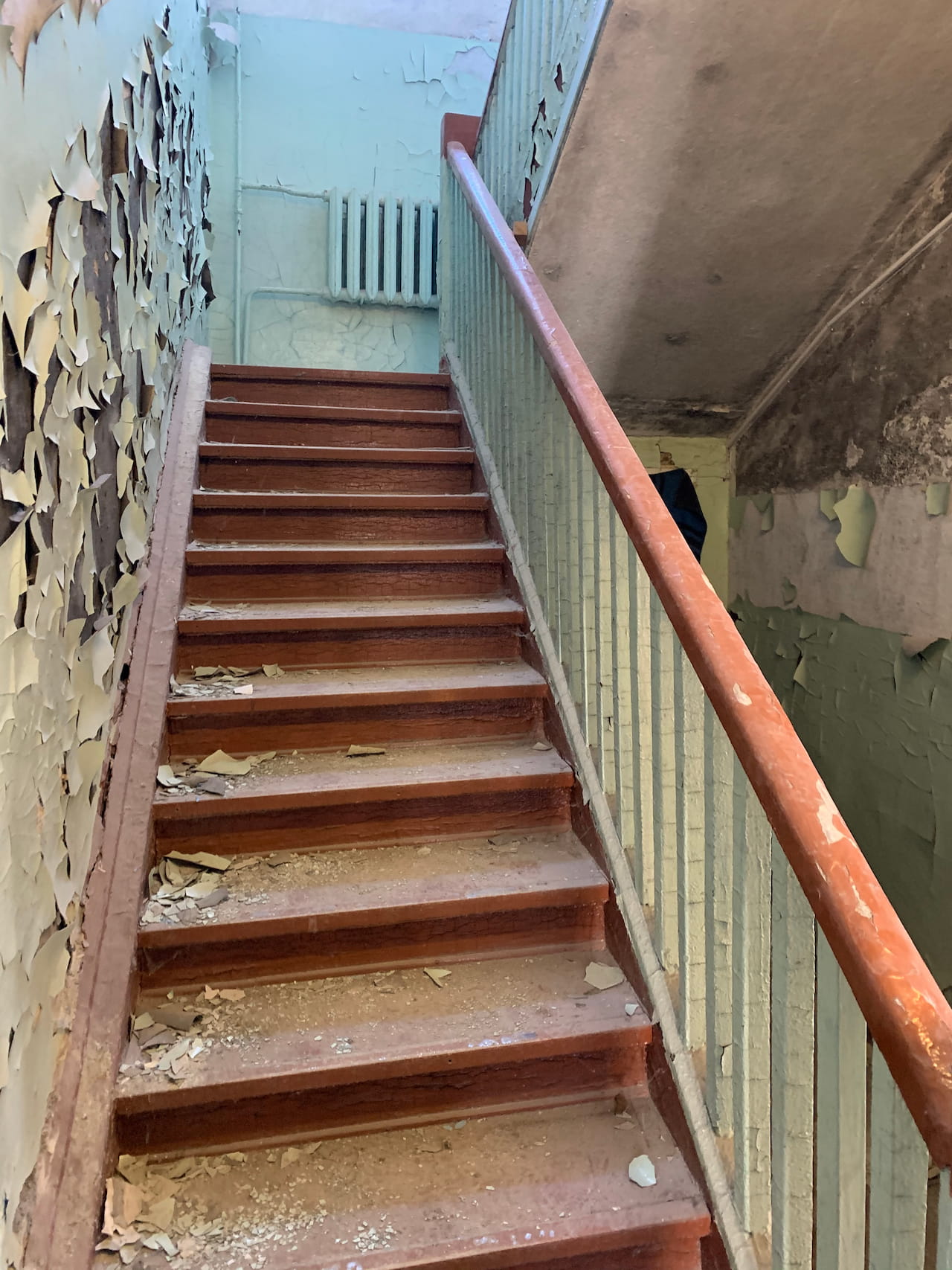
After that, things started moving fast! I remember it like yesterday: I went to take actual measurements of the interior spaces. It was -18°C outside, and the building, naturally, wasn’t heated—it was even colder inside. My partner and I literally had to sprint: measure a bit, then run back to the car to warm up. We repeated this cycle over and over.
The building used to be a maternity hospital, and entering some rooms was frightening. Imagine an abandoned operating room with Soviet-era tiles on the walls, peeling paint, and baby cots from the 70s. It strongly resembled the interiors of a horror movie.
Designer or Engineer: I Had to Prove Myself
Shortly after, I was introduced to the head of the project team and given the existing drawings. After studying the layout solutions, I realized they were completely unsuitable for hotel accommodation, illogical, and, more importantly, did not comply with hotel standards and regulations.
I had to make adjustments to the partitions and staircase, design rooms for people with reduced mobility, and much more. Here, the knowledge I had once gained about the plumbing and drainage systems (VK section) proved invaluable. There were serious errors in the slopes of the sewer pipes in the project, which I immediately reported to the project team. In response, I was told: "You're a designer, you should be picking out wallpaper and mind your own business." It was, of course, very frustrating.
Ultimately, the builders had to carry out extensive work to dismantle the floors and re-lay the sewerage. I’m sharing this to emphasize that aspiring designers must not only focus on how to realize their creative ideas but also delve into the overall picture of the construction site, study the work of builders, and understand the working drawings from related disciplines. This is incredibly important.
Author's Supervision: Working for the Experience
After the visualization was approved, I was very eager to get on-site for author's supervision and handle the specification. It was crucial for me to gain real experience on a large construction site, not just create a project "for the drawer." The client approved my wish, especially since I only asked for compensation for gas and food during business trips for the author's supervision. Simply put, I was working for the experience.
This turned out to be an invaluable experience in dealing with contractors and suppliers. I clearly saw that, often, engineers and project designers don't care about aesthetics; they do things in the simplest, most familiar way for them. They work in 2D plans, whereas a designer sees the picture in volume and, moreover, the finished result.
So, fellow designers, don't hesitate to stand your ground. Technically, almost anything can be implemented without compromising the work. I wasn’t afraid to ask "stupid" questions, and I learned more than any book could ever teach.
Specification: Transparency and Personal Control
Now, about specification. I want to say to designers: don’t think clients aren't aware of agency fees and kickbacks. They might stay silent, but as they say, "the stain remains." Any relationship, especially business, is built on trust. That’s why I always maintain completely transparent reporting for the client regarding work with suppliers, showing their prices and my discounts. I report monthly on how much they are saving by working with me.
I also often see designers eager to handle specification, thinking it's easy money. But many don’t know or don’t consider that it’s a huge responsibility, especially on large and expensive projects. It's important to understand: specification isn't just sending invoices. It's extensive work with transport companies, documentation, personal presence at the time of shipment (or at least photo and video confirmation from a manager), mandatory personal acceptance of goods, unpacking, defect checks, and handling claims. It requires meticulous counting and cross-checking with delivery notes. Sometimes, it also involves organizing storage on the construction site, because for builders, tossing a box with sanitary ware or a chandelier onto a pile of garbage—where it will surely get damaged—is common practice!
Furniture is a whole separate story. From personal experience, I learned that visiting the manufacturing facility is essential. I look at the equipment in their workshops. That way, you can see what they actually produce themselves and what they outsource.
It’s very important to be personally involved in selecting materials, for instance, veneer (matching the grain pattern across different sheets), checking the details in the cabinetmakers' drawings, and verifying their measurements. You must double-check their measurements, as cabinetmakers are often very reluctant to correct their mistakes, especially if you’ve already signed off on the drawings.
Also, check your contractors through specialized services and the State Commercial Court case files. If your furniture maker has been embroiled in litigation for years – run away!
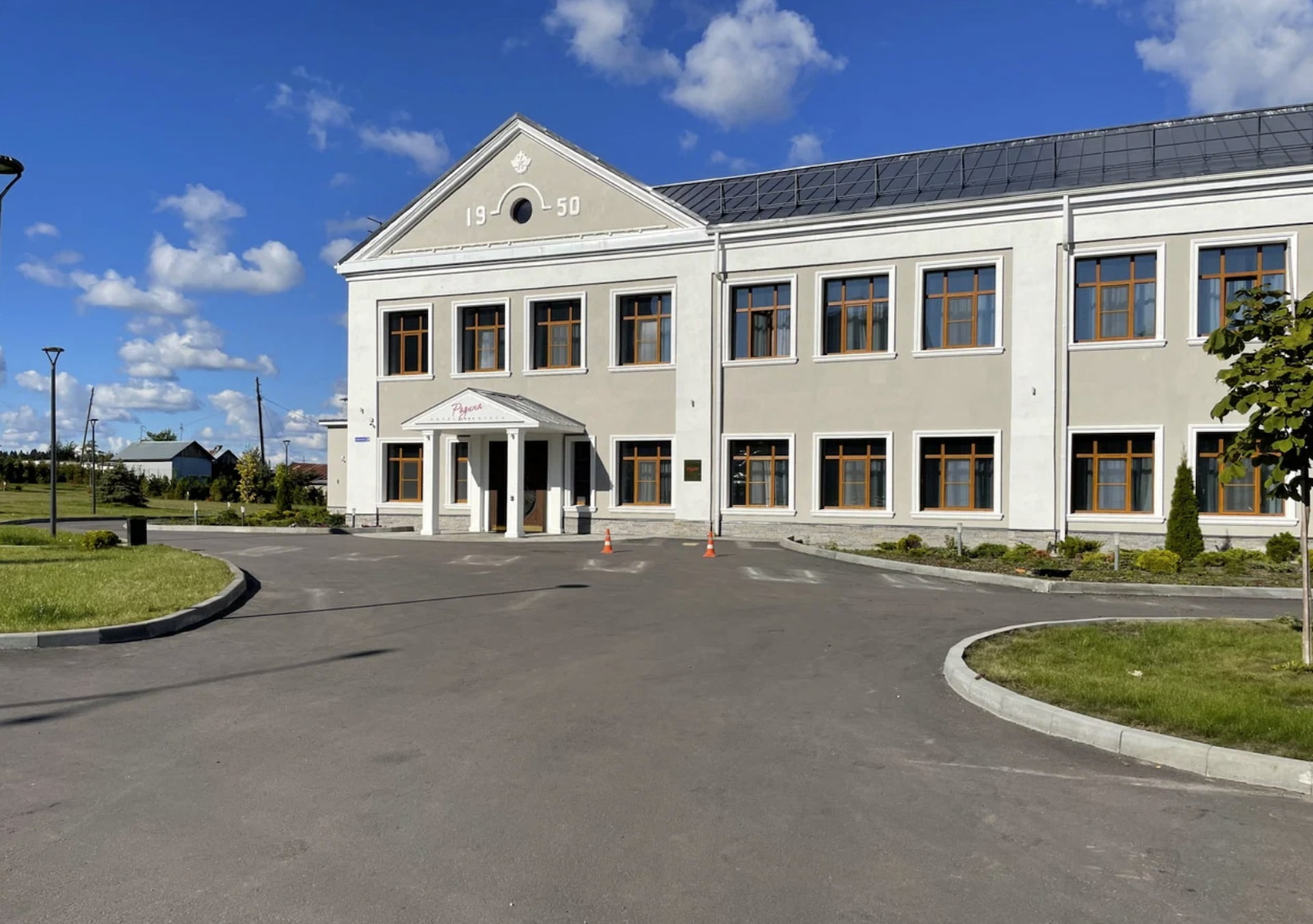
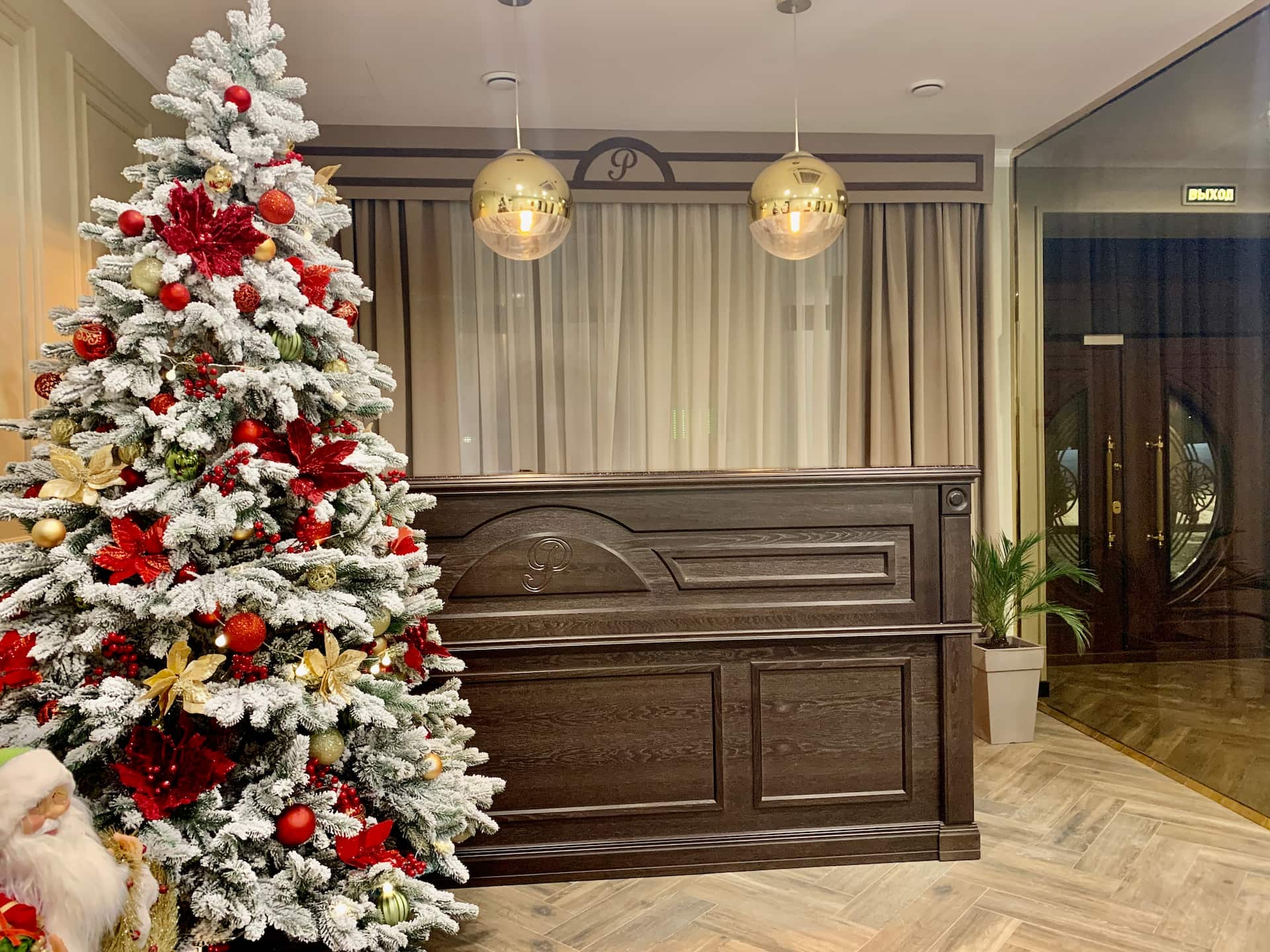
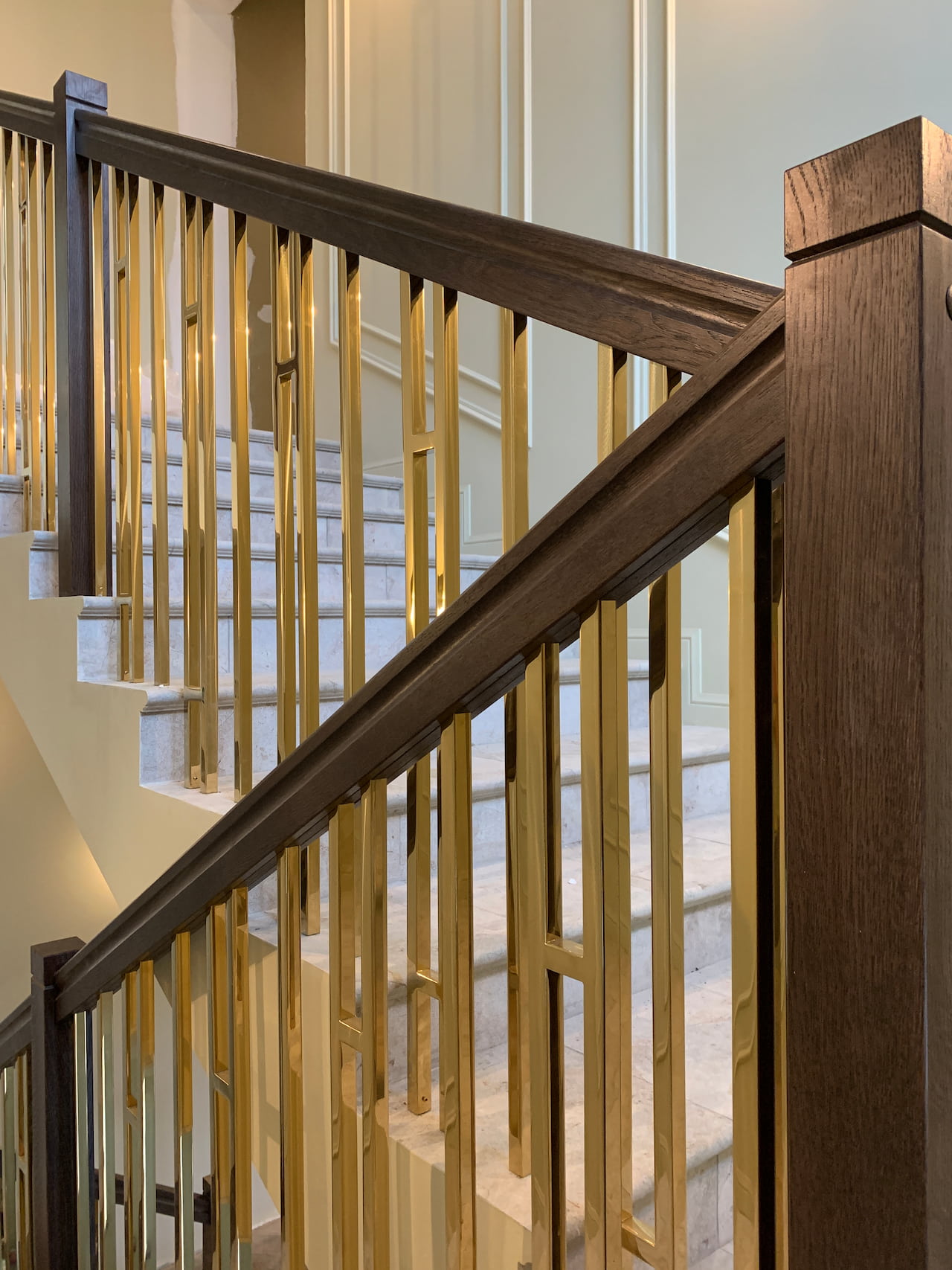
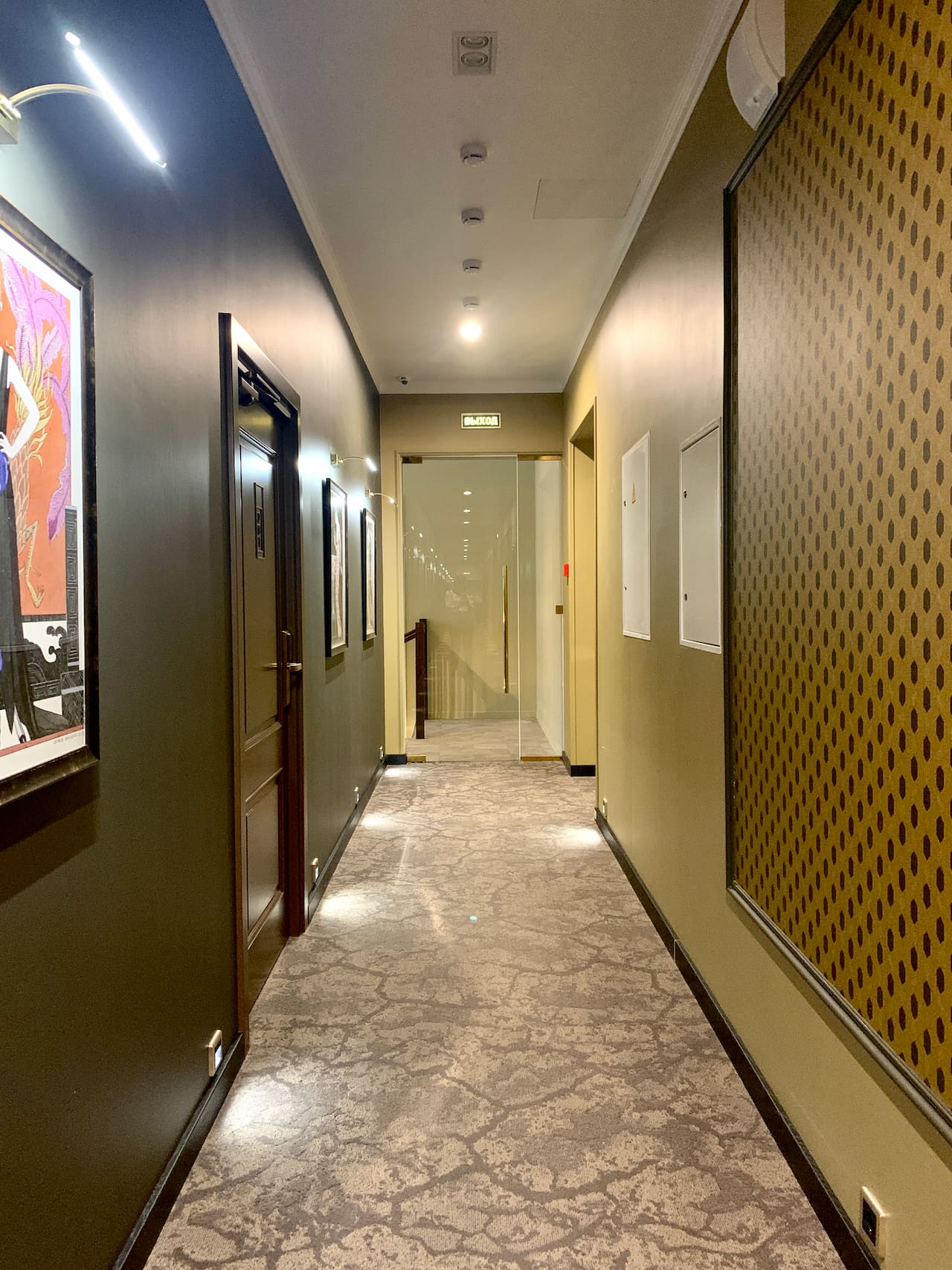
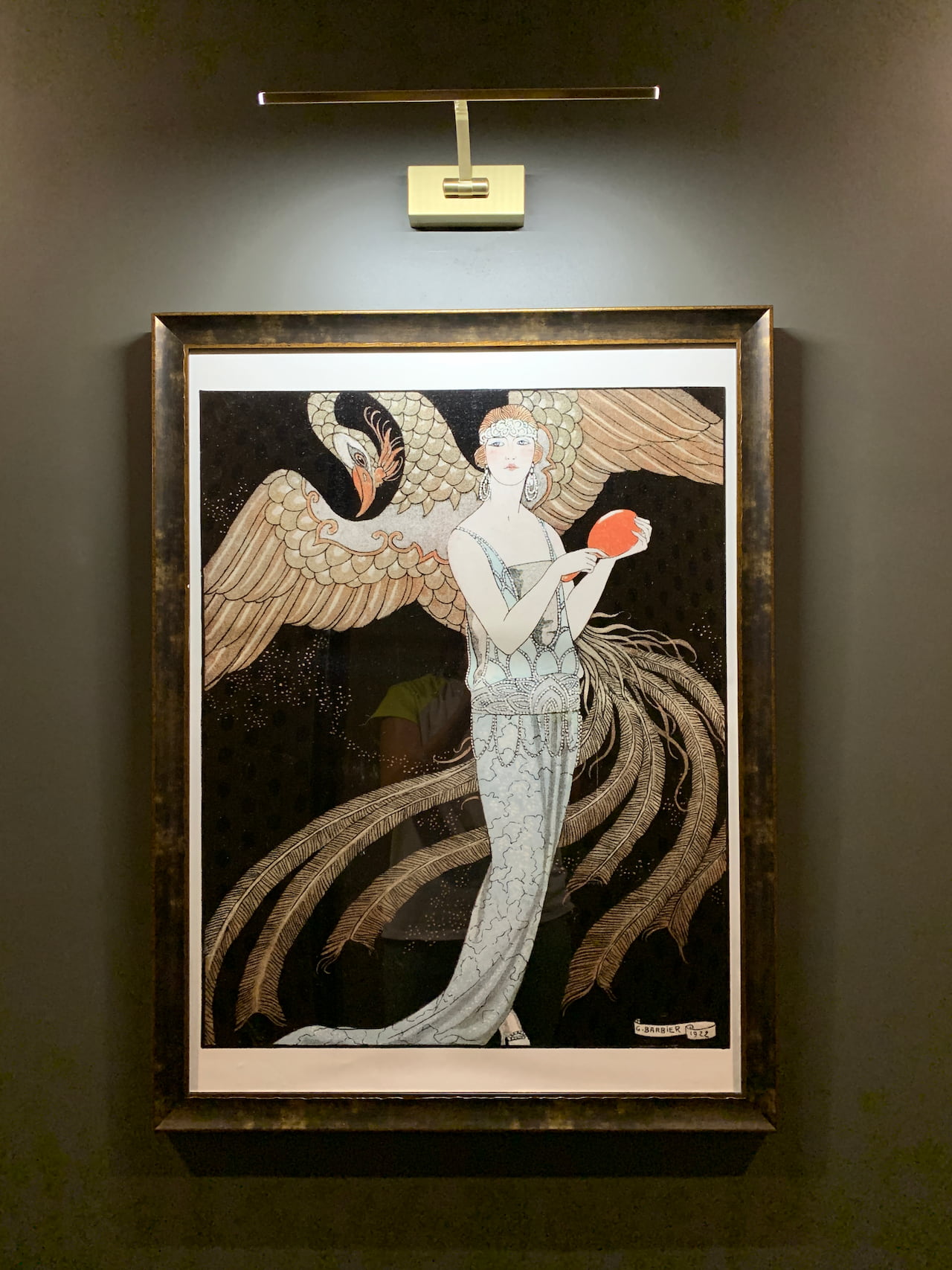
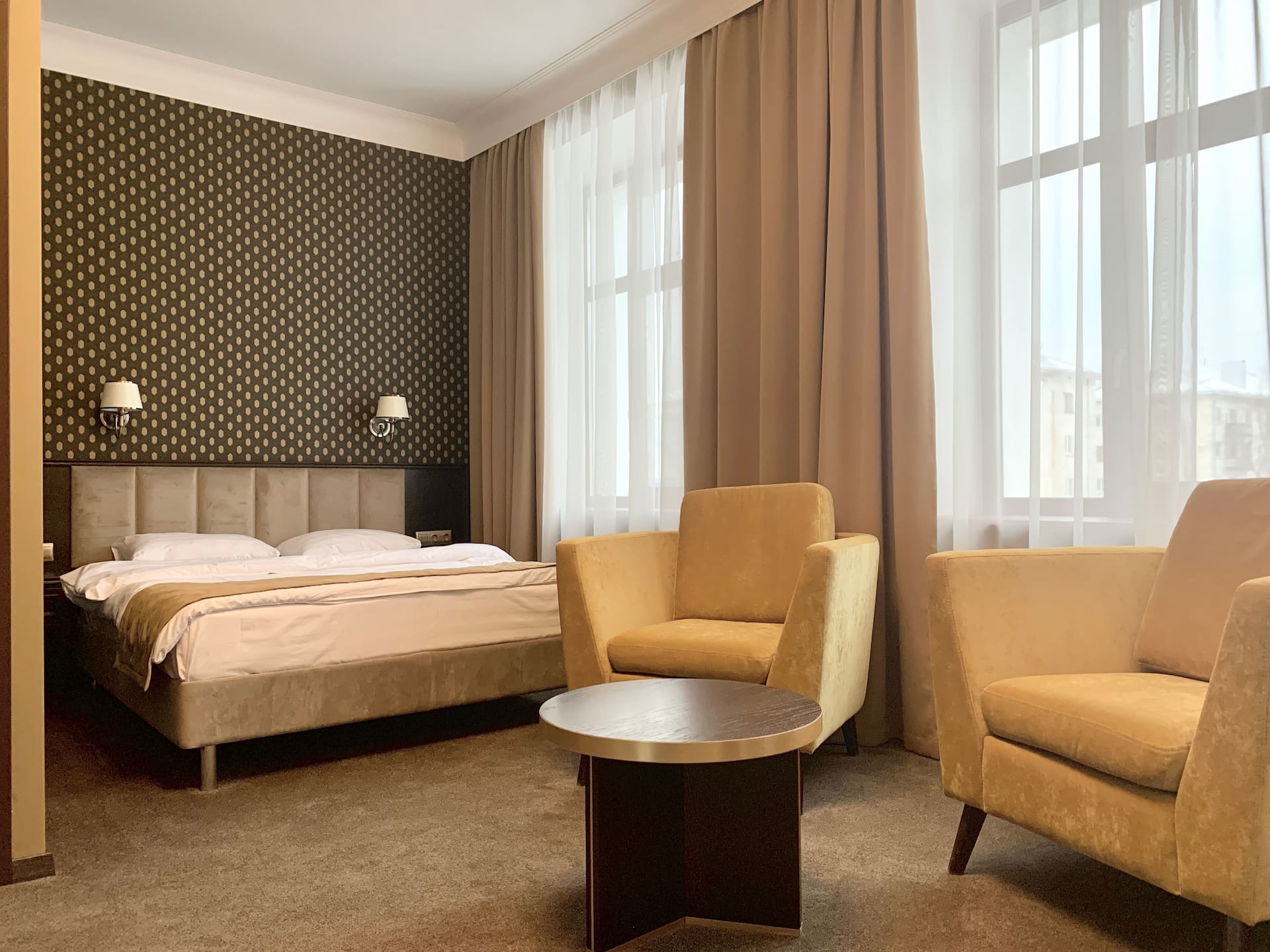
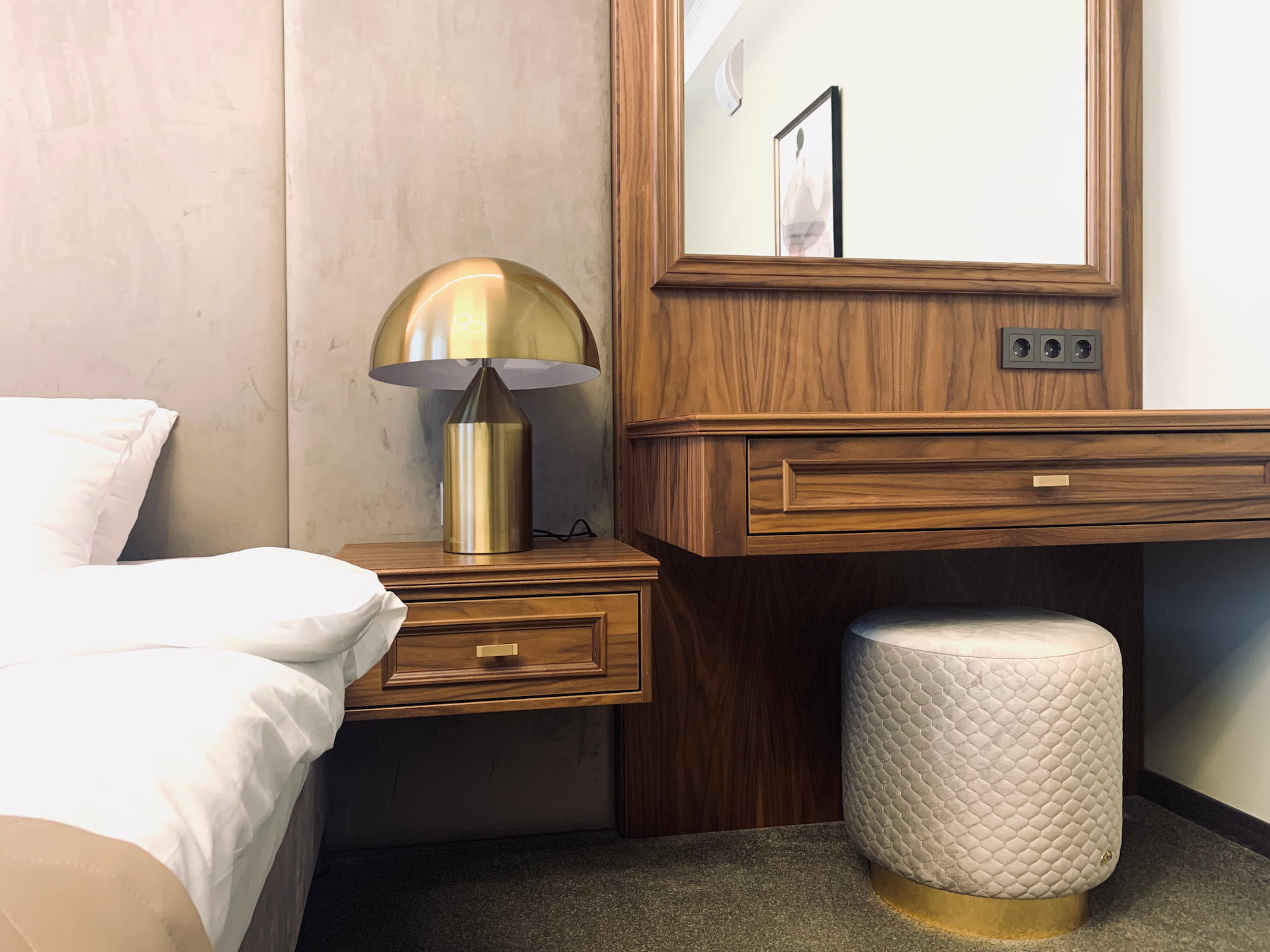
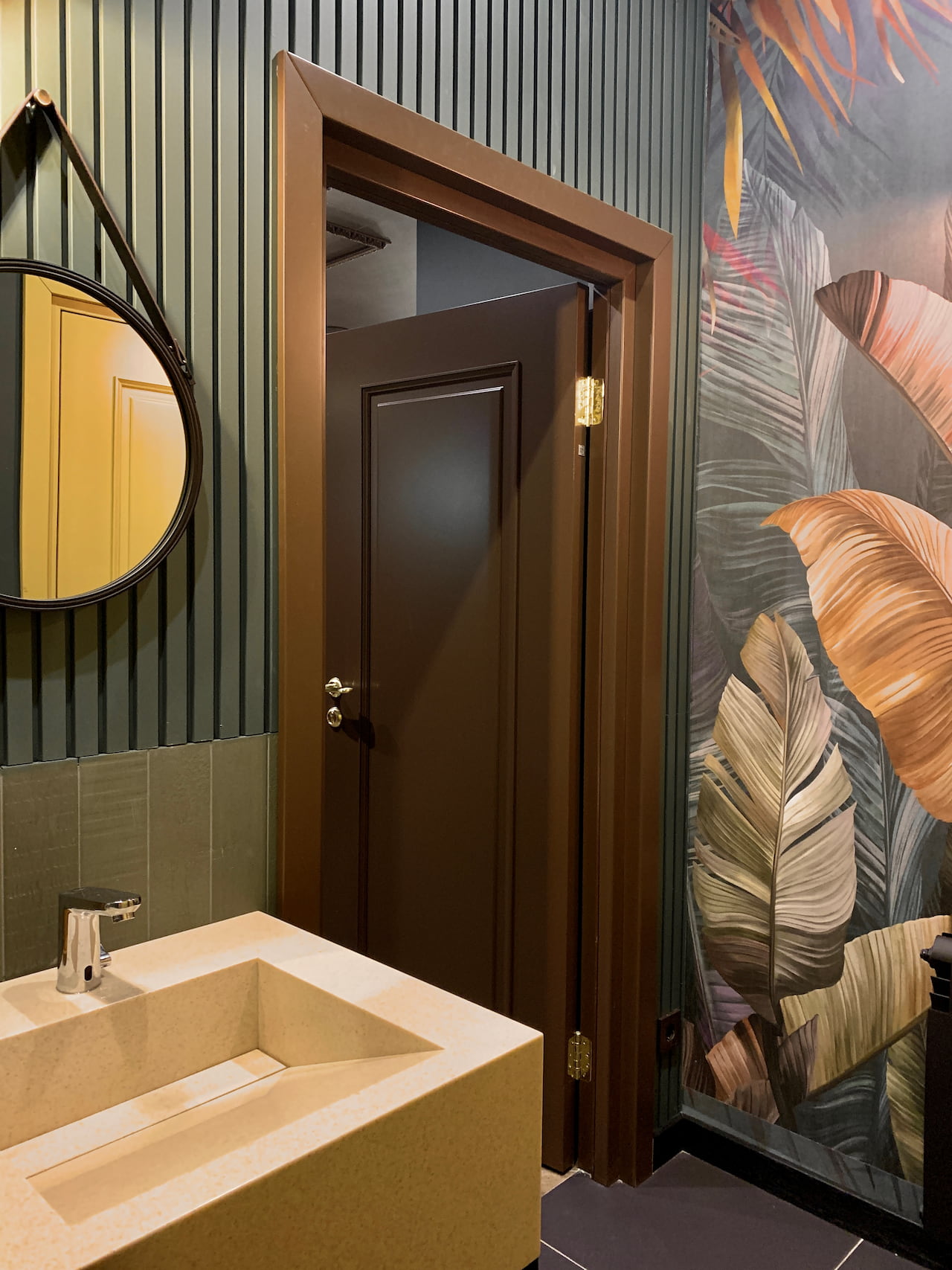
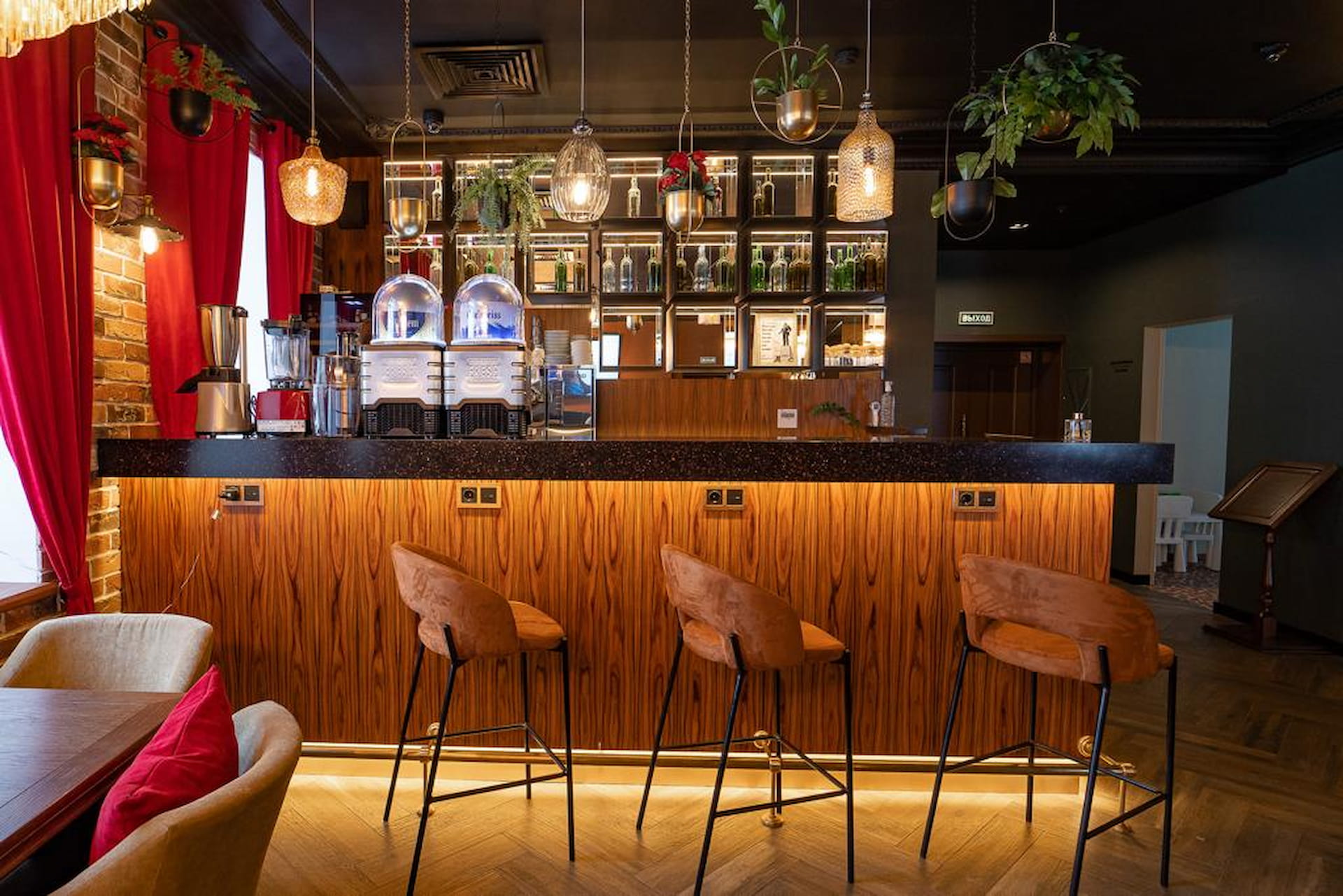
To summarize the "construction" part, I’d say that a designer is essentially the chief engineer on site who must know everything about everything, overseeing the builders, the engineers, the procurement – sticking their nose into every aspect.
The Role of 3D Visualization
Now, let me tell you what personally helped me gain experience and start understanding the importance of thoughtful design. It’s 3D interior visualization. And Planoplan is so good at this. When you work on modeling, you see all the nuances—how objects meet and intersect, what the connection detail should be, what exact real-world size fits best in a given situation, how to optimally lay out porcelain stoneware or parquet, how to position lighting. This helps create a "clean geometry," reduce material waste, and simplify the work for builders.
Regarding "on-site" work, Planoplan is also a huge help. I’ve repeatedly encountered builders who can’t read drawings. Showing them the details and the finished result in the 3D model, however, resolved all questions. I was often asked—why can't the entire construction project be done this way?
The Detail Revolution
Complex materials, SuperHD, and improved render quality. All so you can create stunning, photorealistic images of future spaces for your projects.
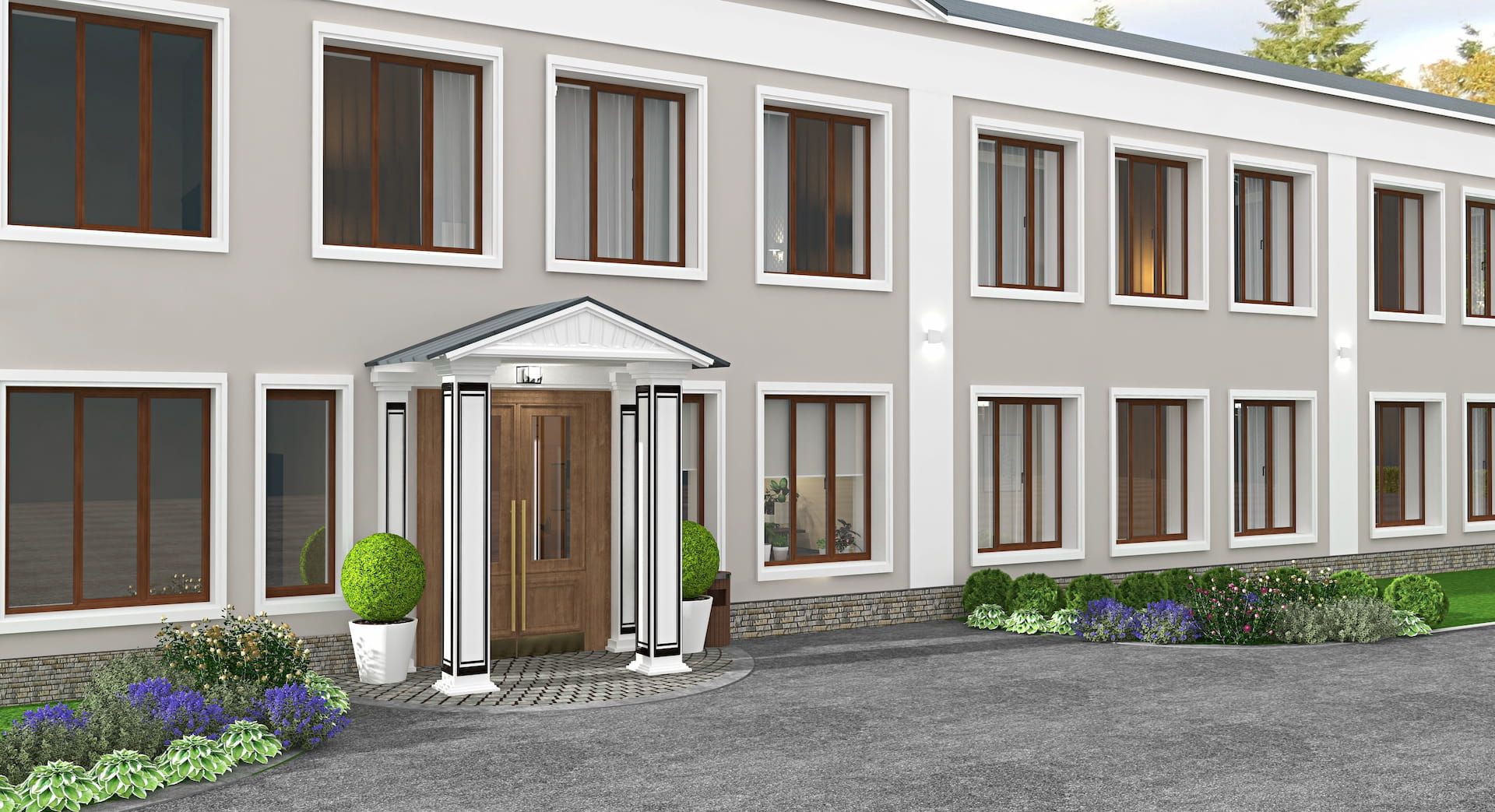
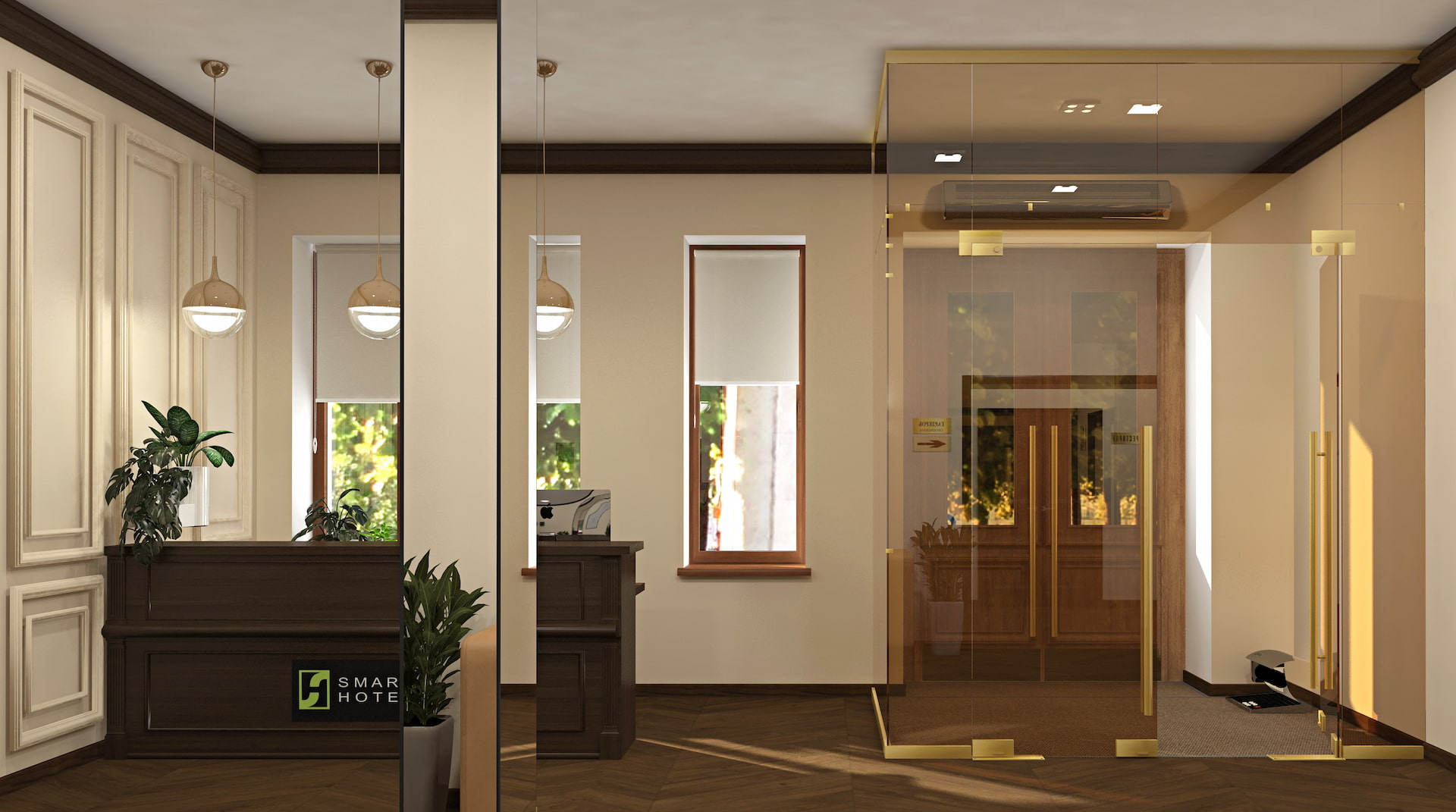
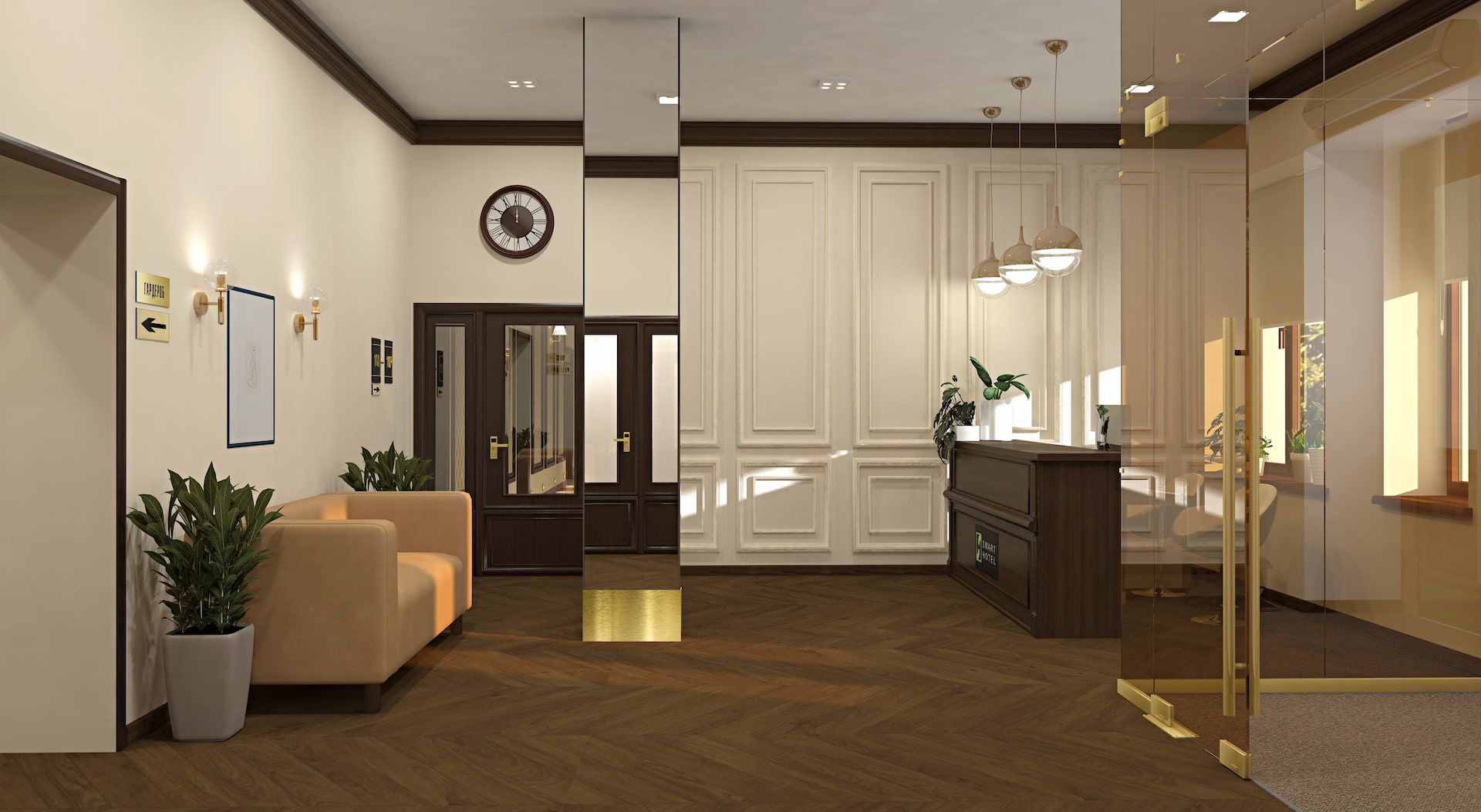
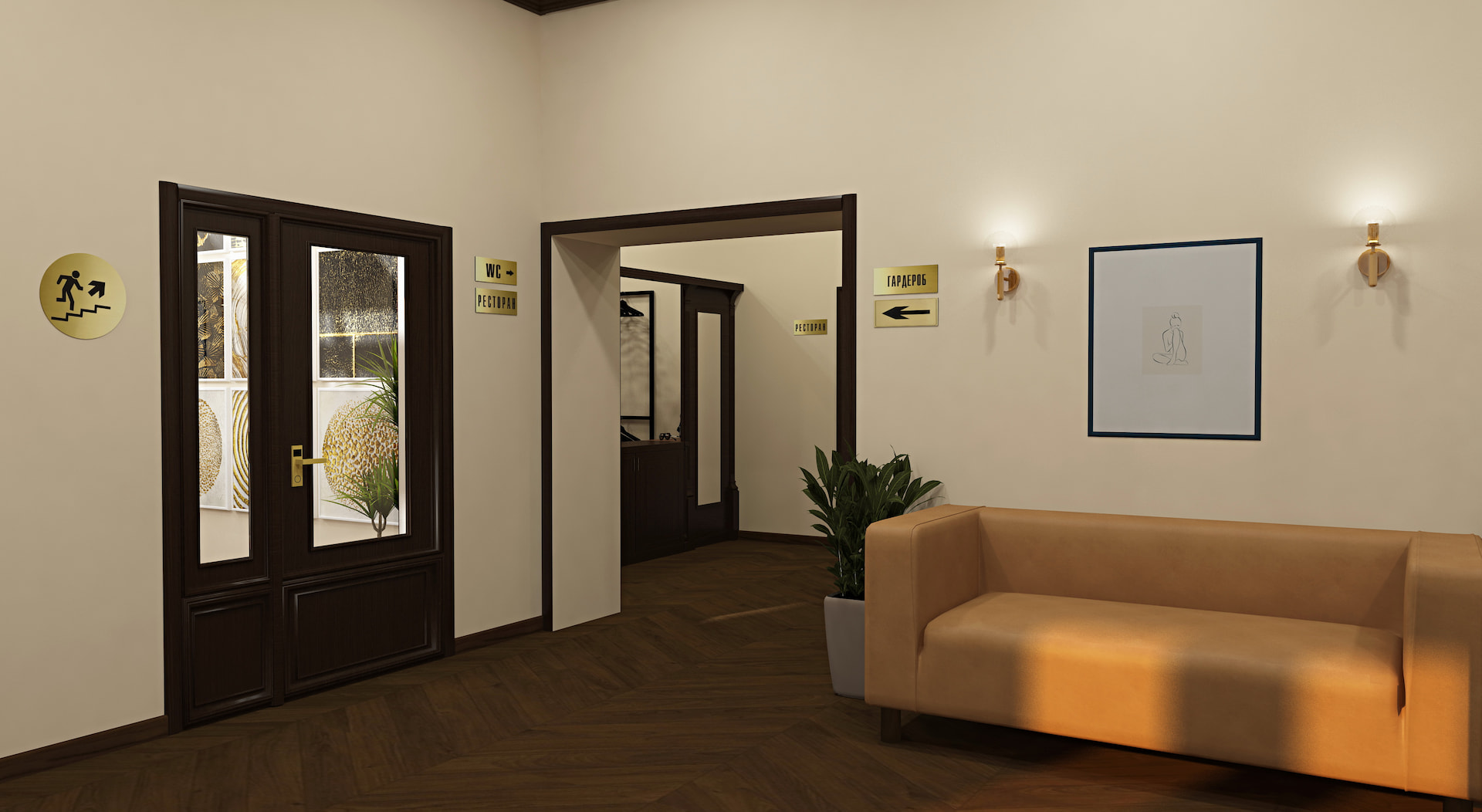
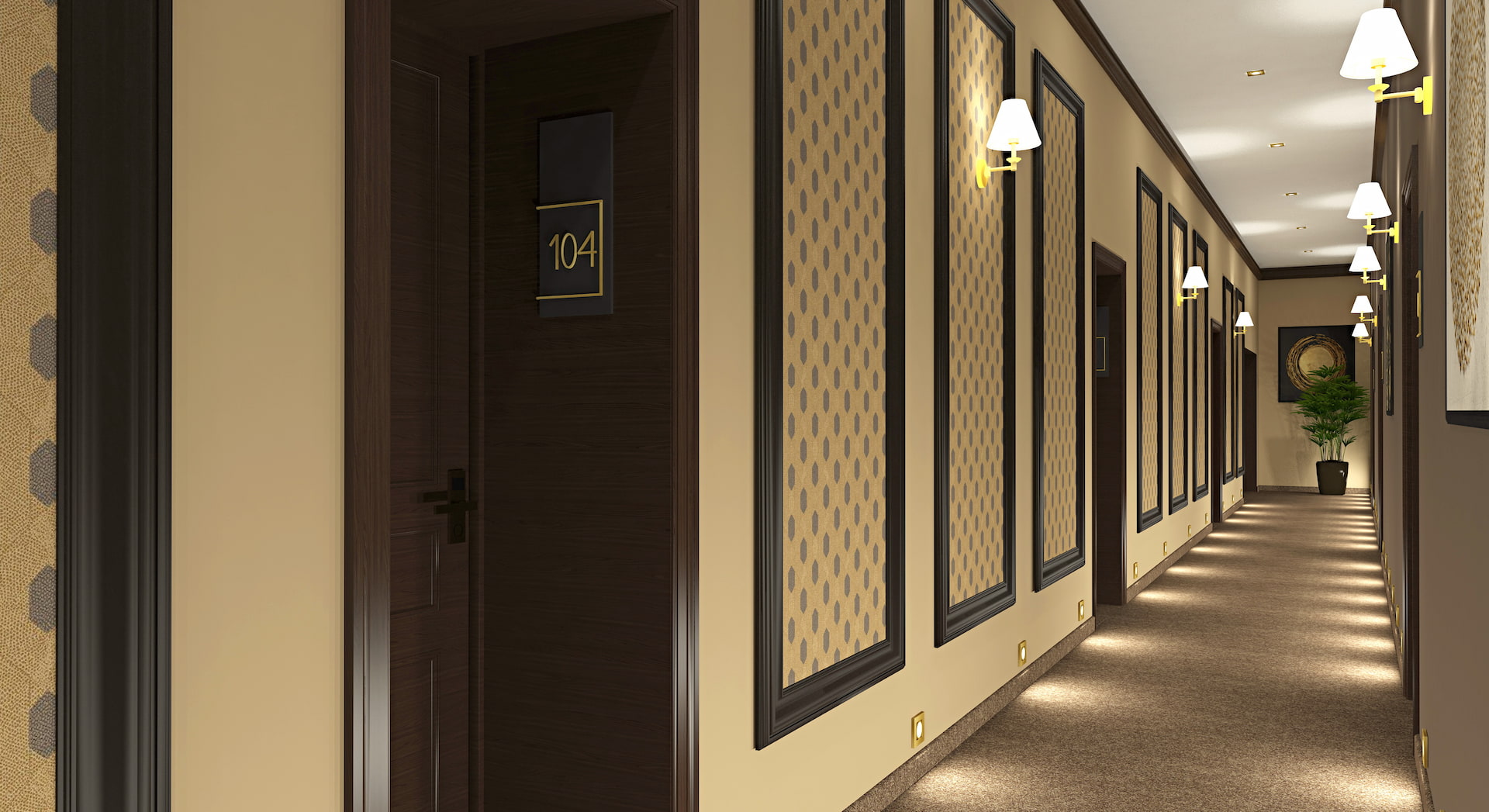
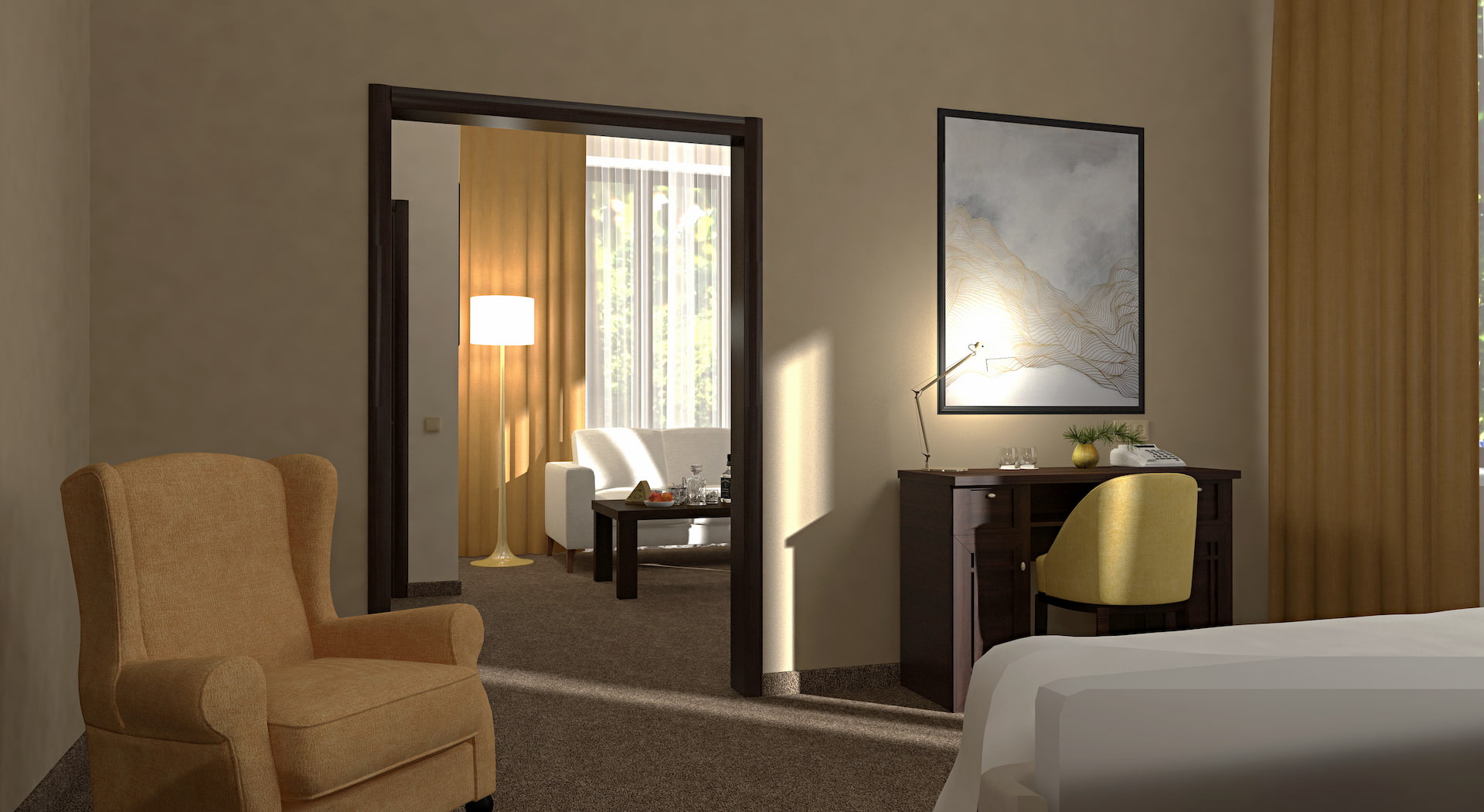
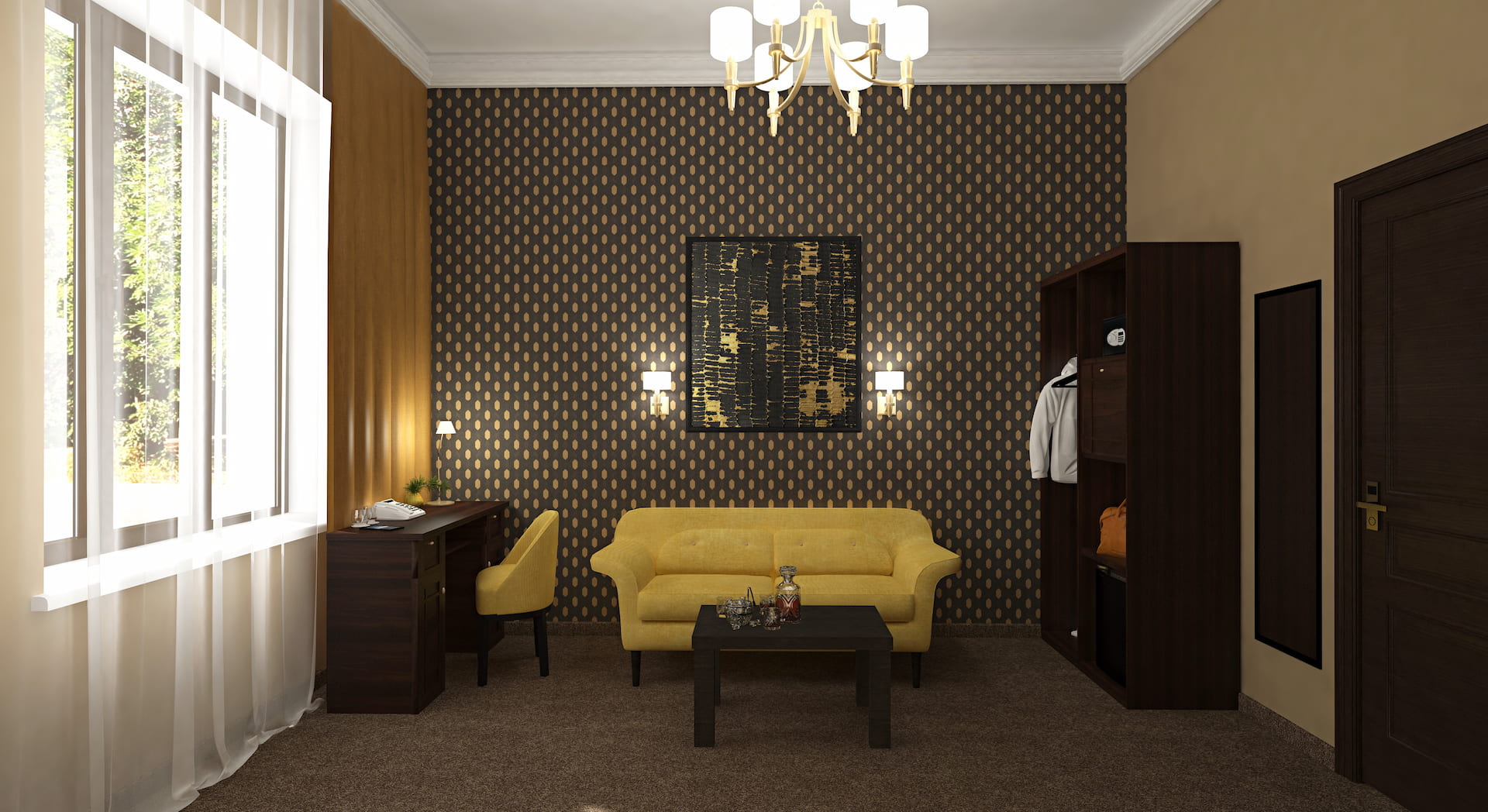
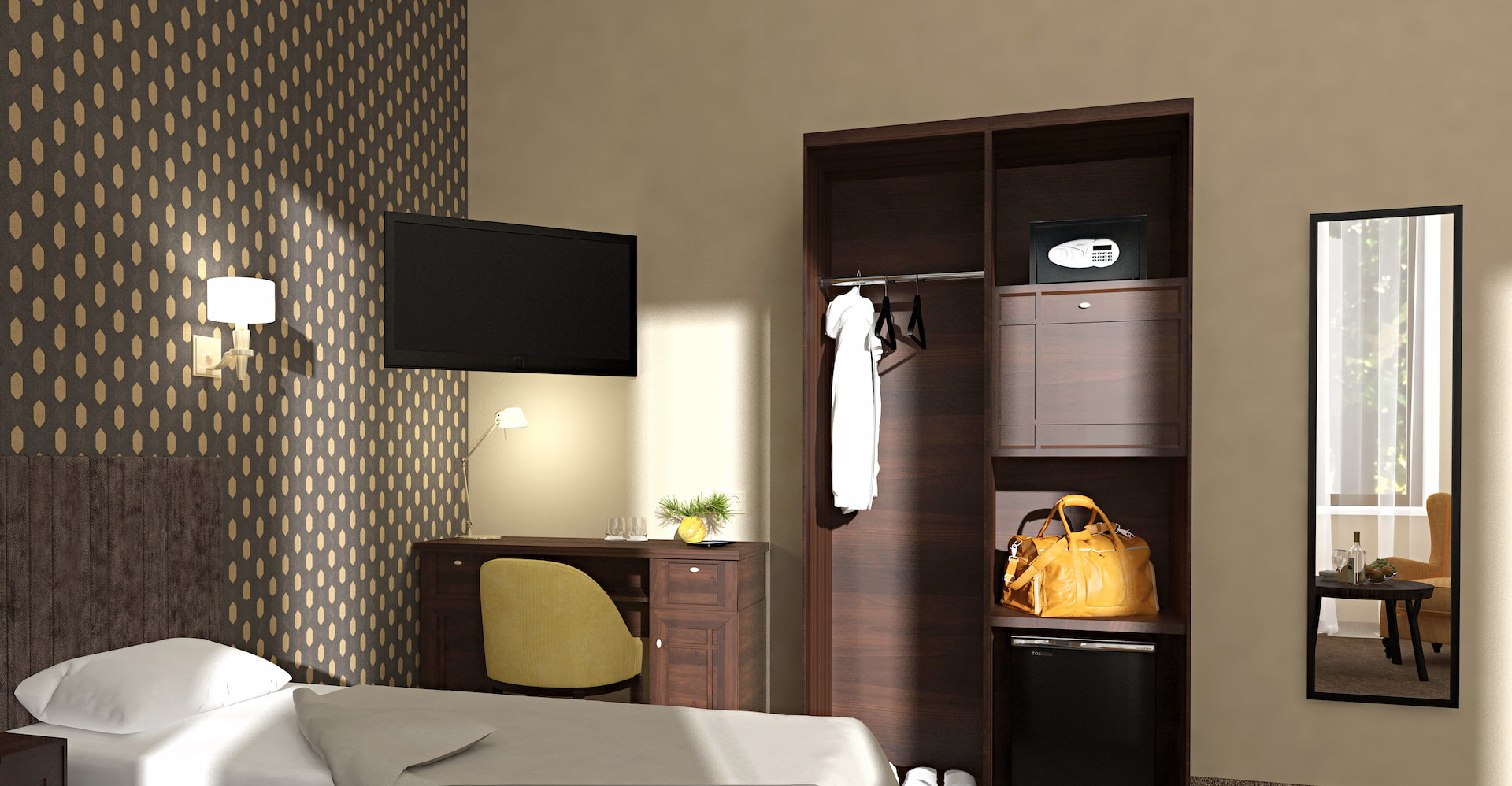
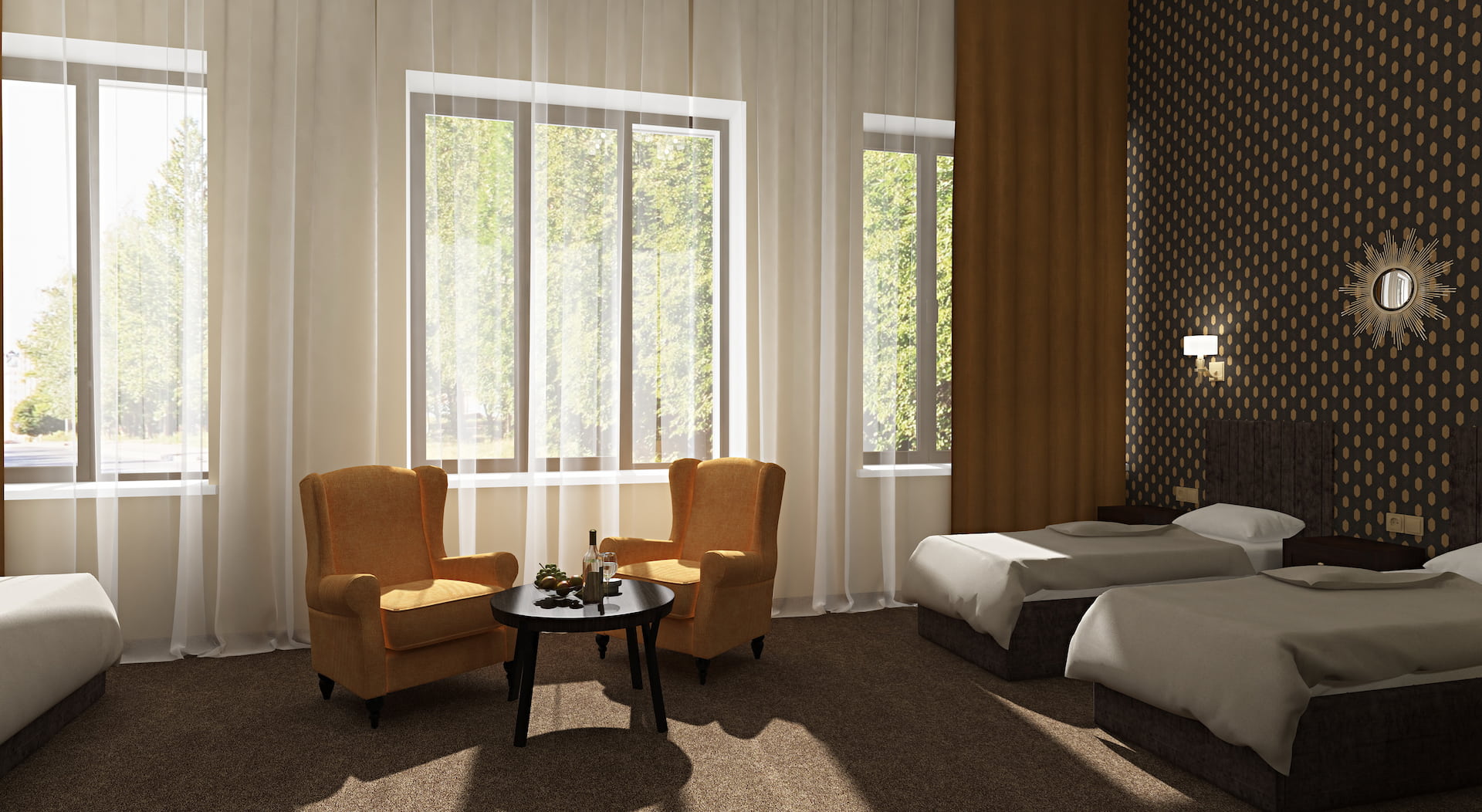
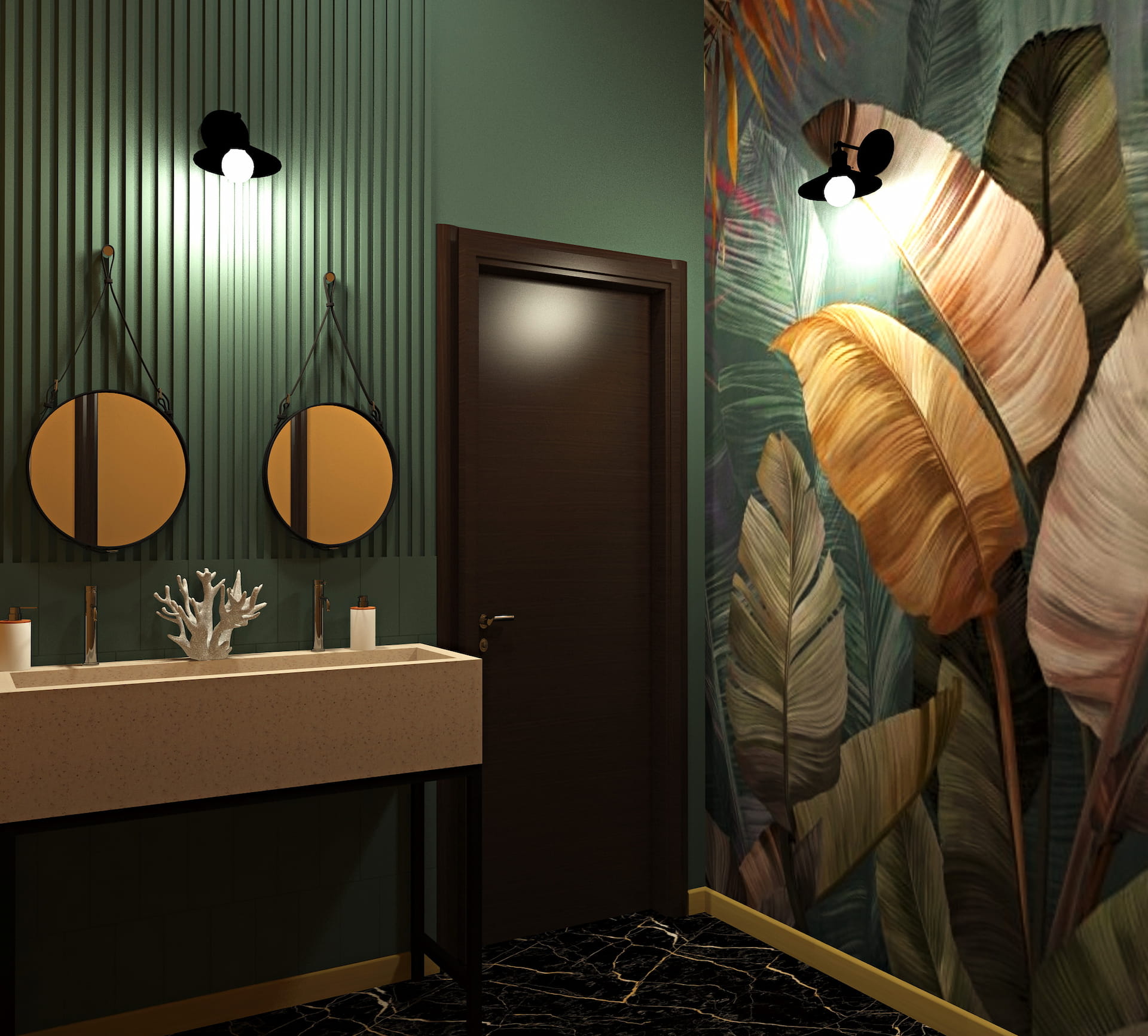
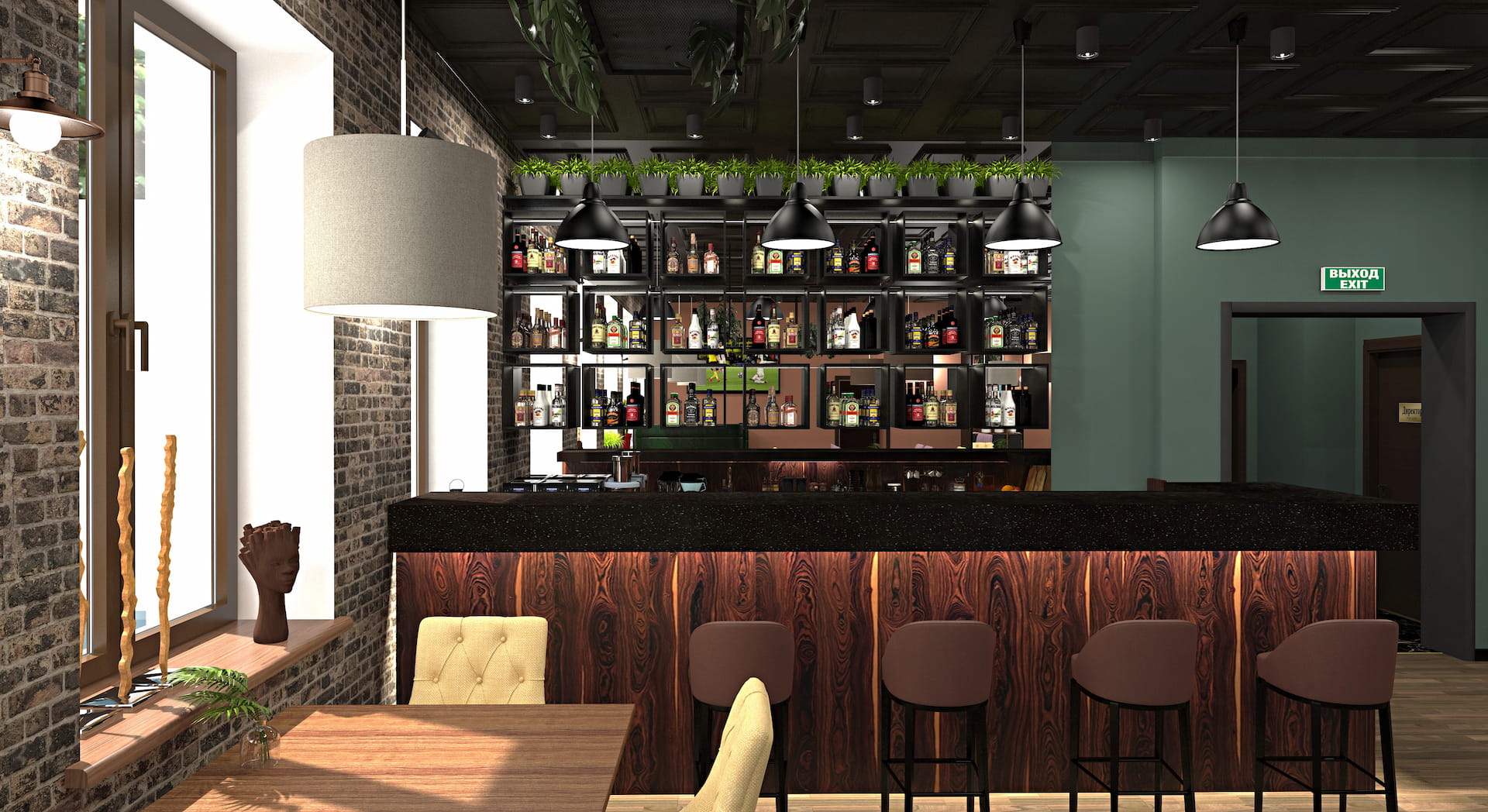
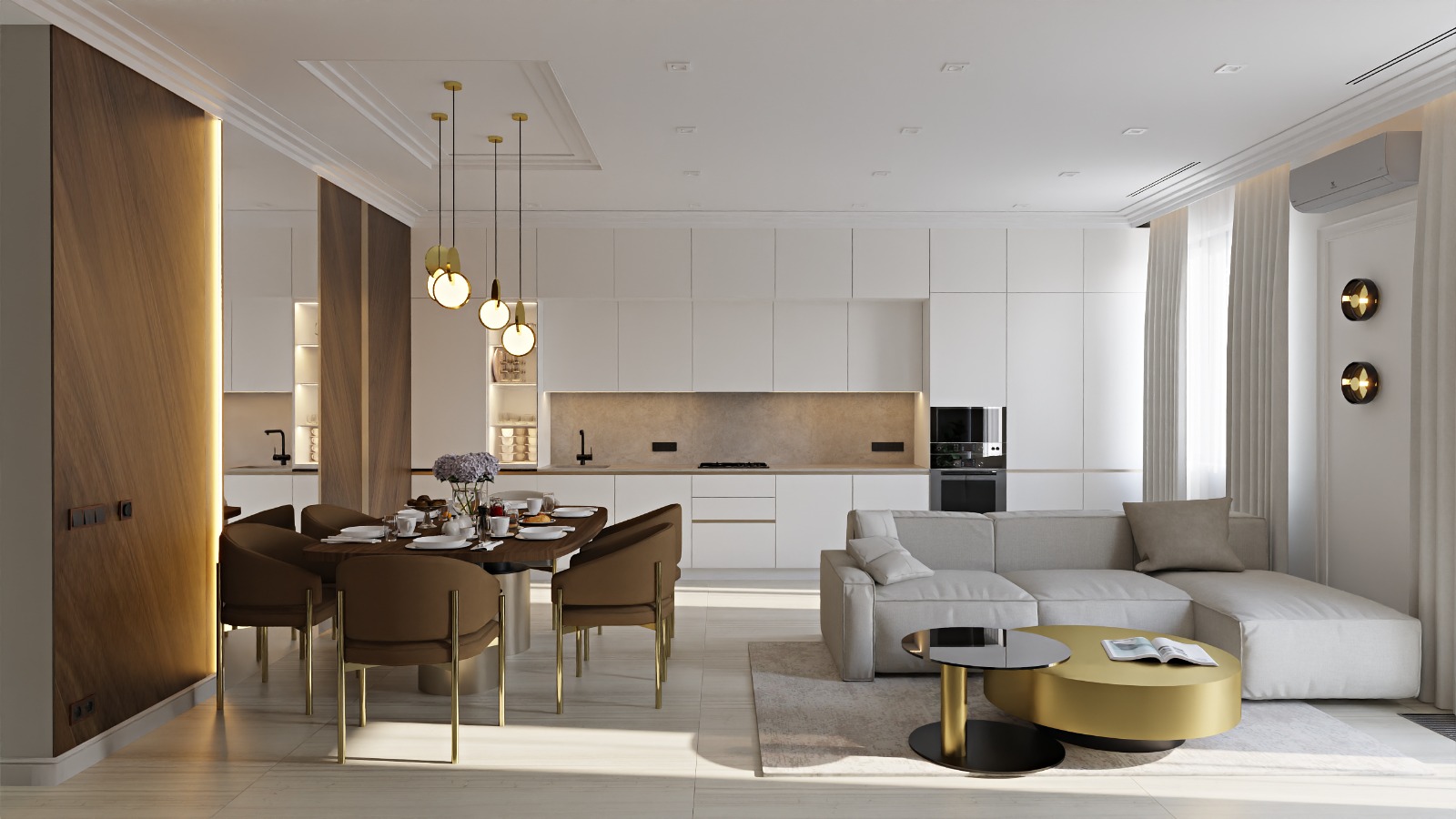
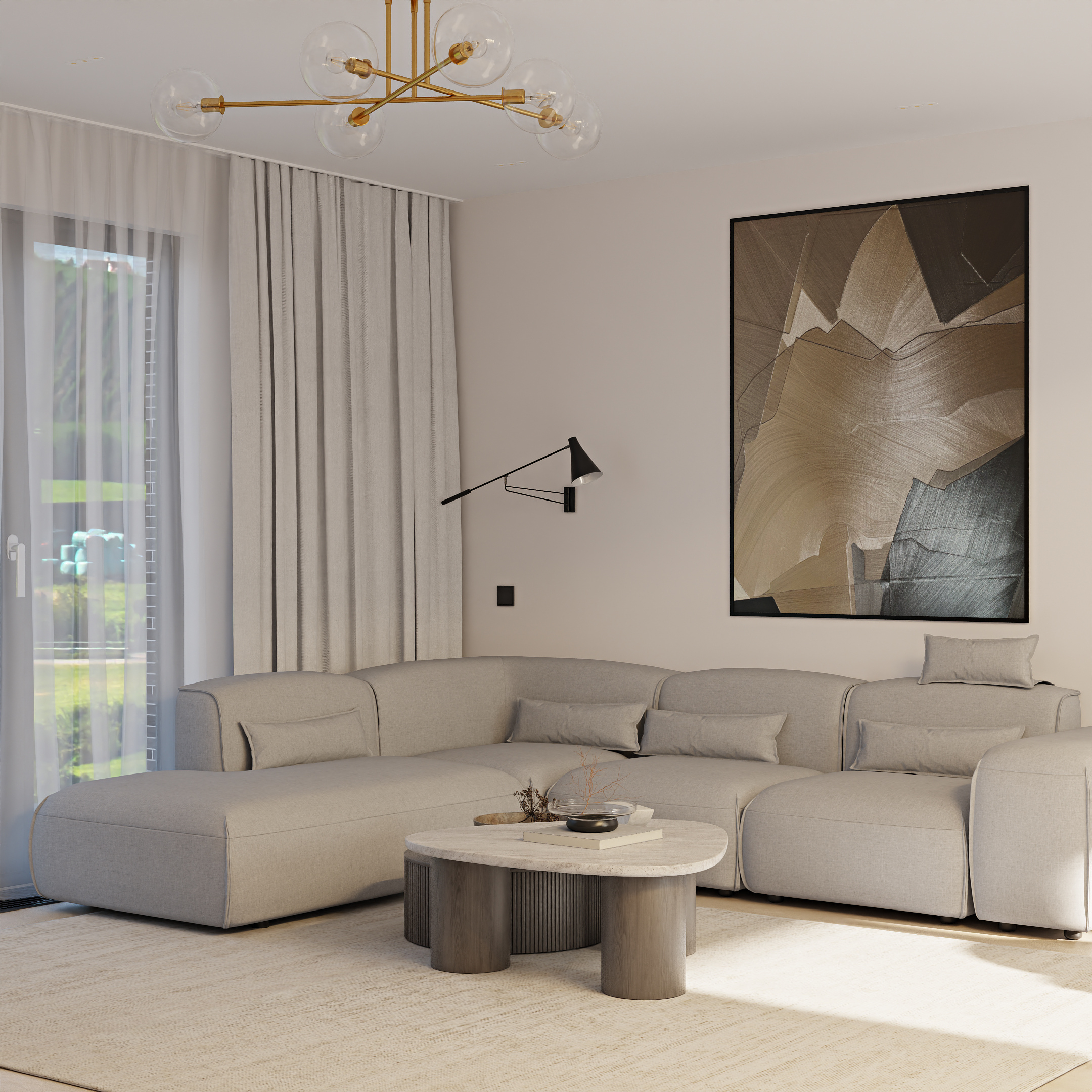
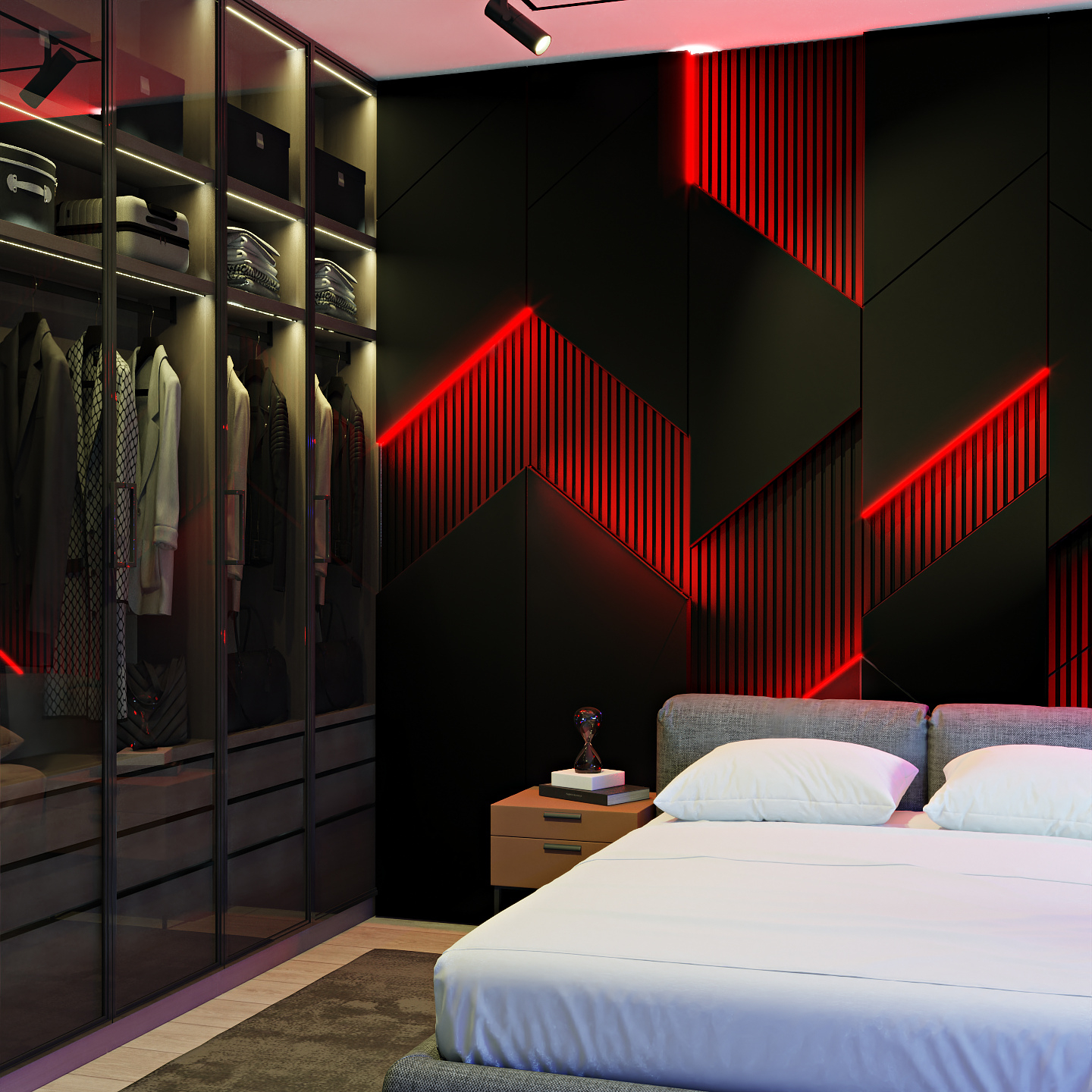
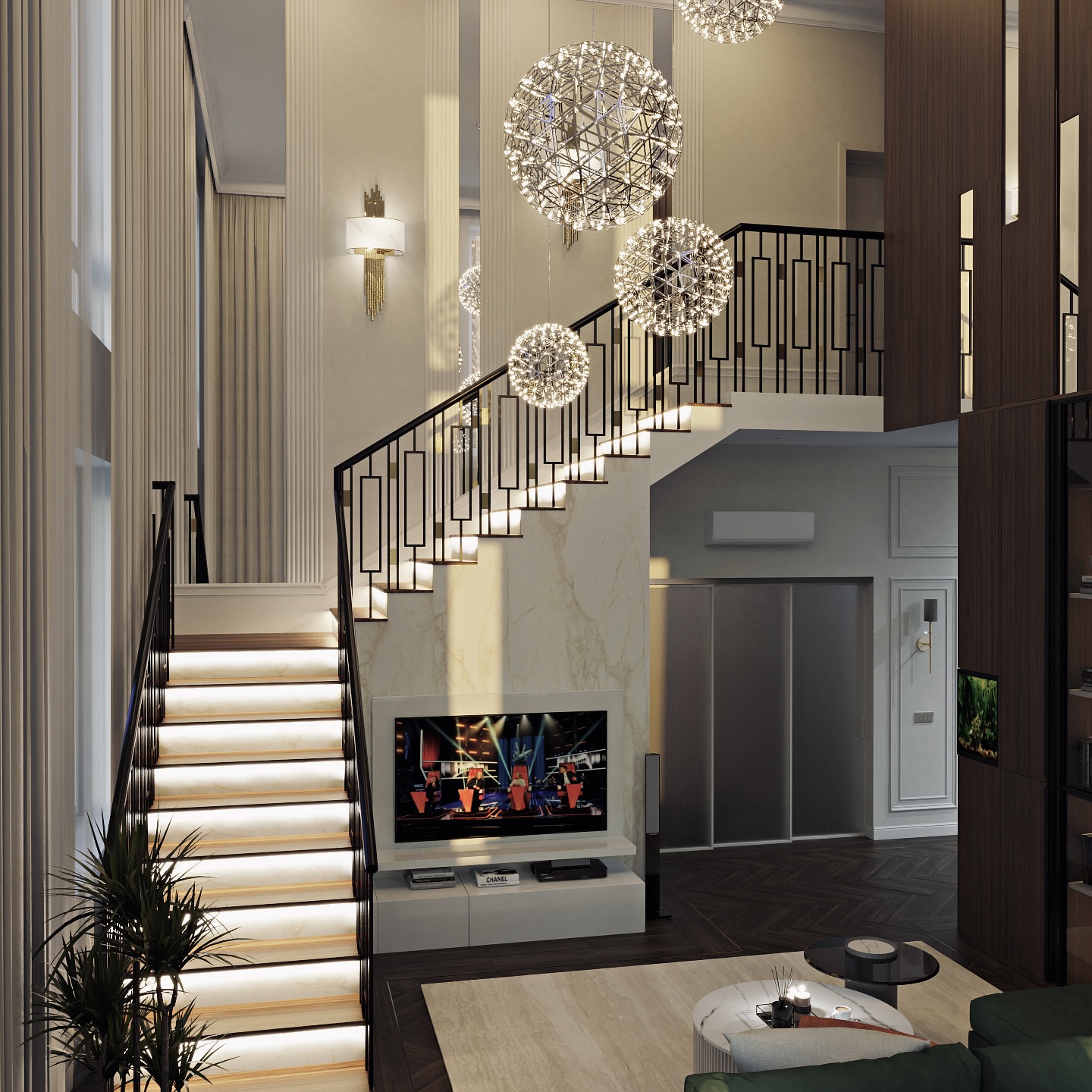
It’s gratifying to see that my favorite program evolves every year, adding features, materials, and 3D models, while reducing limitations on model size and polygon count. The resolution of renders and the quality of lighting calculations improve each year, which you can notice by comparing my old visualizations attached to this article. And the latest improvements to drawings in Planoplan significantly speed up and simplify a designer’s work.
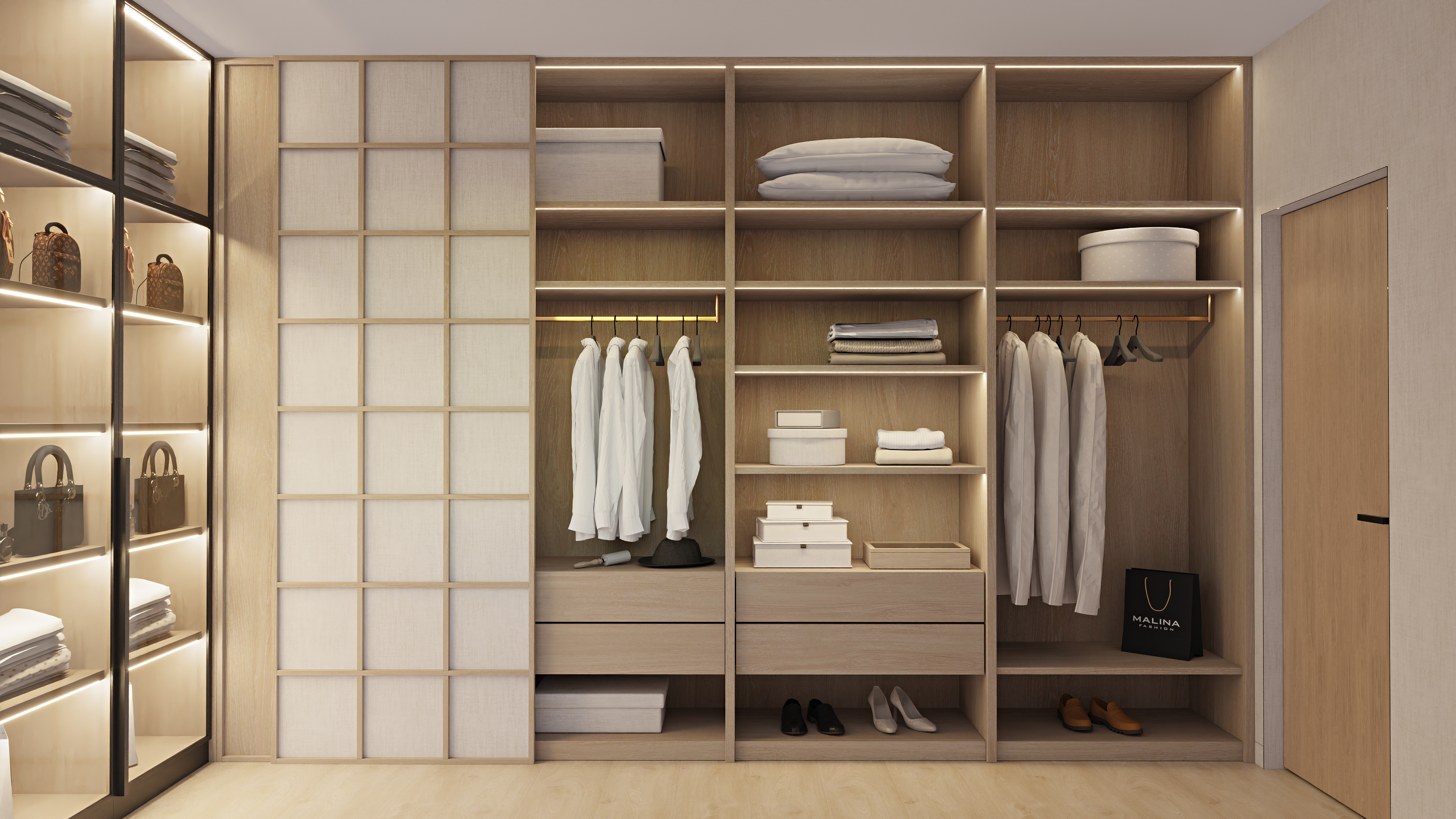
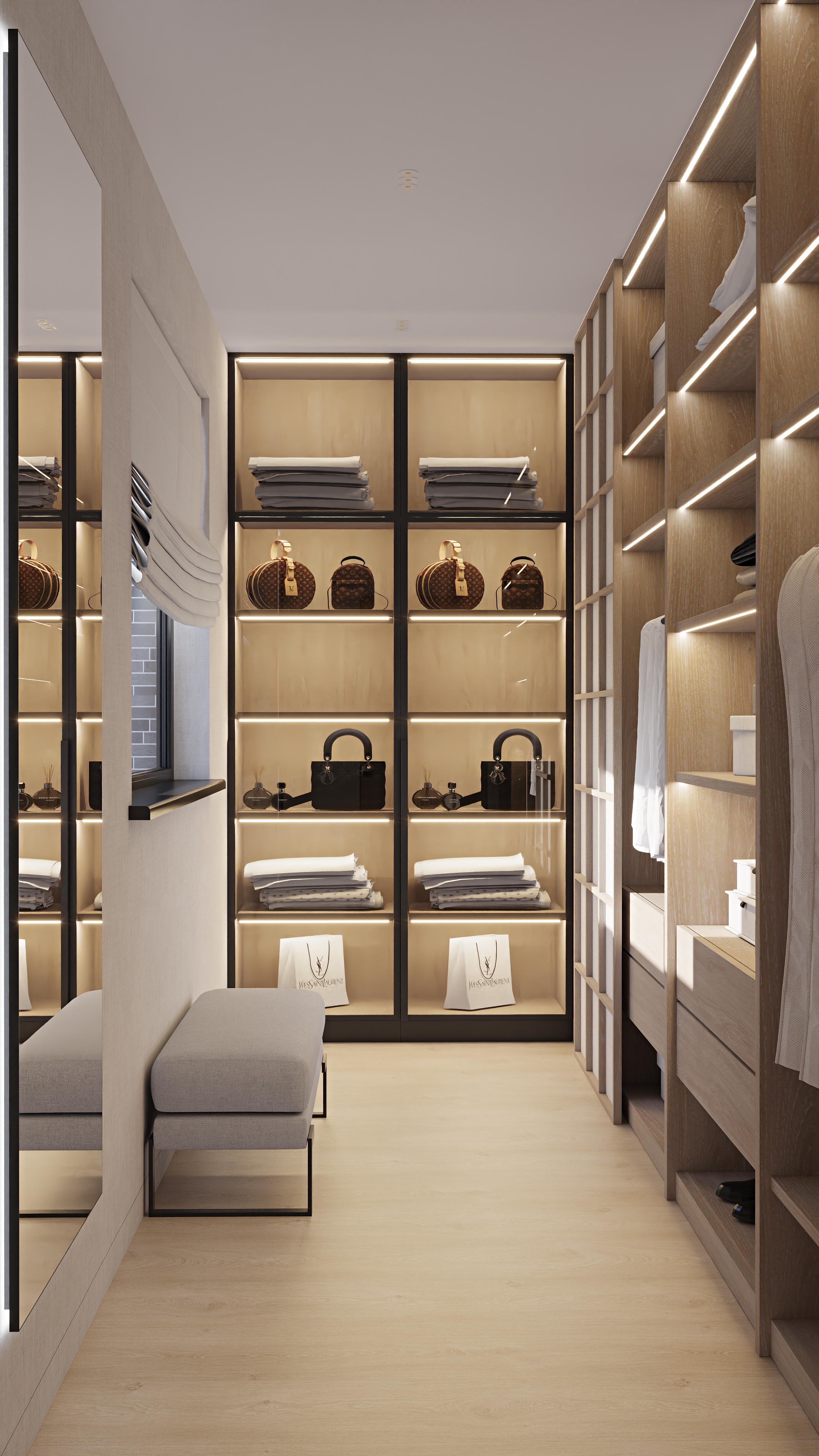
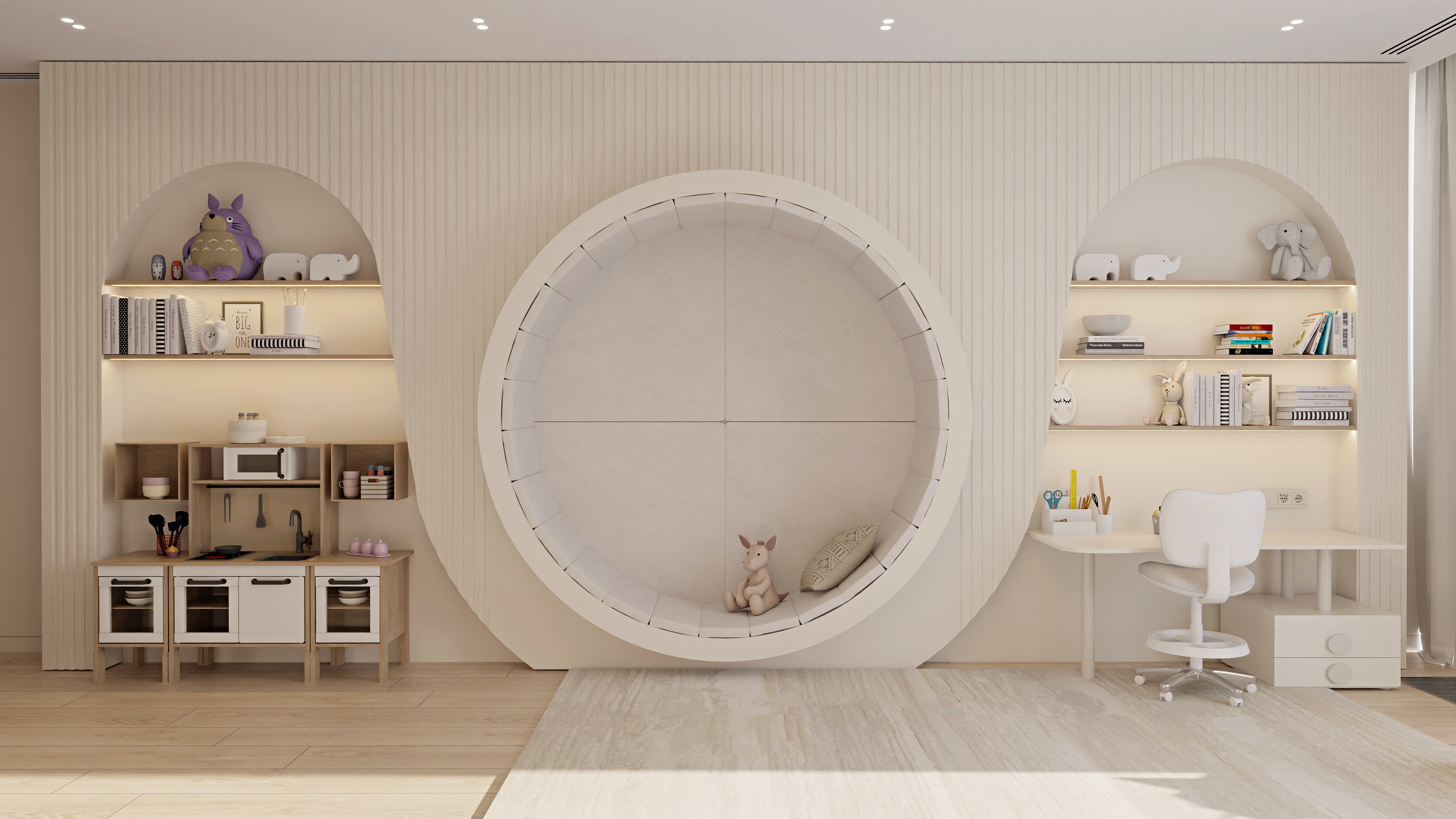
Planoplan is a professional tool for easy and comfortable work
High-quality visualizations, construction documents, specifications, and stunning virtual tours for your clients — these and other Planoplan features with one subscription. 7-day free trial for all new users!